Biotech Incubator Showdown: Top 10 US Programs for 2026 Startup Growth
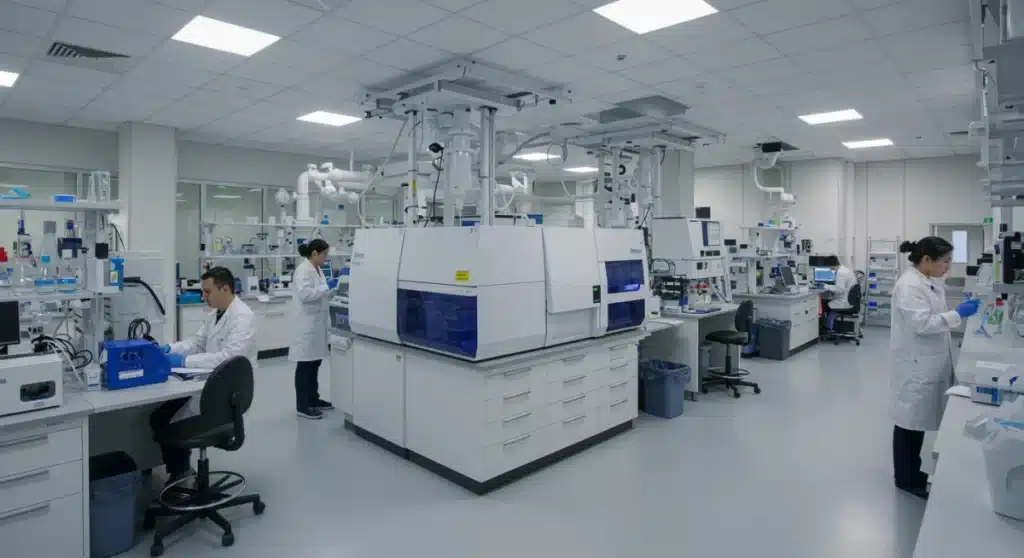
Comparing the top 10 US biotech incubator programs for 2026 reveals critical differences in funding, mentorship, and specialized resources essential for accelerating startup growth and innovation.
The landscape of biotech innovation is fiercely competitive, and for burgeoning startups, finding the right support system is paramount. This biotech incubator comparison for 2026 delves into the leading programs across the United States, offering a critical look at what makes each unique and how they can propel a startup from concept to commercialization.
Understanding the Biotech Incubator Ecosystem
Biotech incubators are more than just shared lab spaces; they are dynamic ecosystems designed to nurture early-stage life science companies. These programs provide vital resources, mentorship, and networking opportunities that are often inaccessible to independent startups. In an industry characterized by high costs and long development cycles, incubators offer a crucial lifeline.
The value proposition of a biotech incubator extends beyond physical infrastructure. It encompasses a comprehensive suite of services tailored to the specific needs of biotech ventures, including access to specialized equipment, regulatory guidance, and strategic business development. Choosing the right incubator can significantly impact a startup’s trajectory, influencing everything from funding rounds to market entry.
The Role of Incubators in Biotech Innovation
- Resource Optimization: Incubators pool expensive equipment and facilities, making them accessible to multiple startups, thus reducing overhead costs.
- Expert Mentorship: Direct access to seasoned industry veterans, scientists, and business leaders provides invaluable guidance.
- Networking Opportunities: Facilitating connections with investors, potential partners, and other entrepreneurs creates a collaborative environment.
- Strategic Support: Offering assistance with business planning, intellectual property, and regulatory compliance streamlines development.
Ultimately, a successful biotech incubator acts as a catalyst, accelerating the pace of scientific discovery and translating it into viable commercial products. They bridge the gap between academic research and market readiness, fostering an environment where groundbreaking ideas can flourish.
QB3 (California Institute for Quantitative Biosciences): A Golden State Powerhouse
QB3, headquartered in California, stands out as a premier incubator and accelerator network with deep ties to the University of California system. It leverages the vast scientific expertise and resources of UC Berkeley, UC San Francisco, and UC Santa Cruz to support life science and biotech startups. Their extensive network provides unparalleled access to academic talent and cutting-edge research.
This program is renowned for its strong emphasis on translating fundamental research into commercial applications. QB3 offers various programs, from co-working lab spaces to mentorship and seed funding initiatives. Their focus on quantitative biosciences ensures that startups are at the forefront of data-driven biological discoveries.
Key Offerings and Impact
QB3’s impact is evident in the number of successful companies it has spun out. They provide state-of-the-art lab facilities, often located within or adjacent to university campuses, fostering a seamless transition from academia to industry. Startups benefit from shared equipment, core facilities, and a vibrant community of fellow innovators.
- Academic Integration: Direct links to UC system research and faculty expertise.
- Extensive Network: Access to a broad community of scientists, entrepreneurs, and investors.
- Funding Opportunities: Assistance in securing seed funding and connecting with venture capitalists.
- Specialized Labs: Access to advanced instrumentation and core scientific services.
QB3’s model is built on collaboration and knowledge transfer, making it an attractive option for startups looking to commercialize university-developed technologies or leverage academic partnerships. Their programs are highly competitive, attracting some of the most promising biotech ventures.
JLABS (Johnson & Johnson Innovation): Global Reach, Local Impact
JLABS, a part of Johnson & Johnson Innovation, represents a unique model among biotech incubators. With multiple sites across the US, including major biotech hubs like Boston, San Diego, and South San Francisco, JLABS offers a ‘no-strings-attached’ approach. This means startups retain full intellectual property rights, a significant draw for many entrepreneurs.
JLABS provides state-of-the-art lab and office facilities, along with access to J&J’s scientific and business experts. Their programs are designed to accelerate the development of healthcare innovations across pharmaceuticals, medical devices, and consumer health. The sheer scale and resources of Johnson & Johnson provide an unmatched advantage.
The JLABS Advantage: Beyond Lab Space
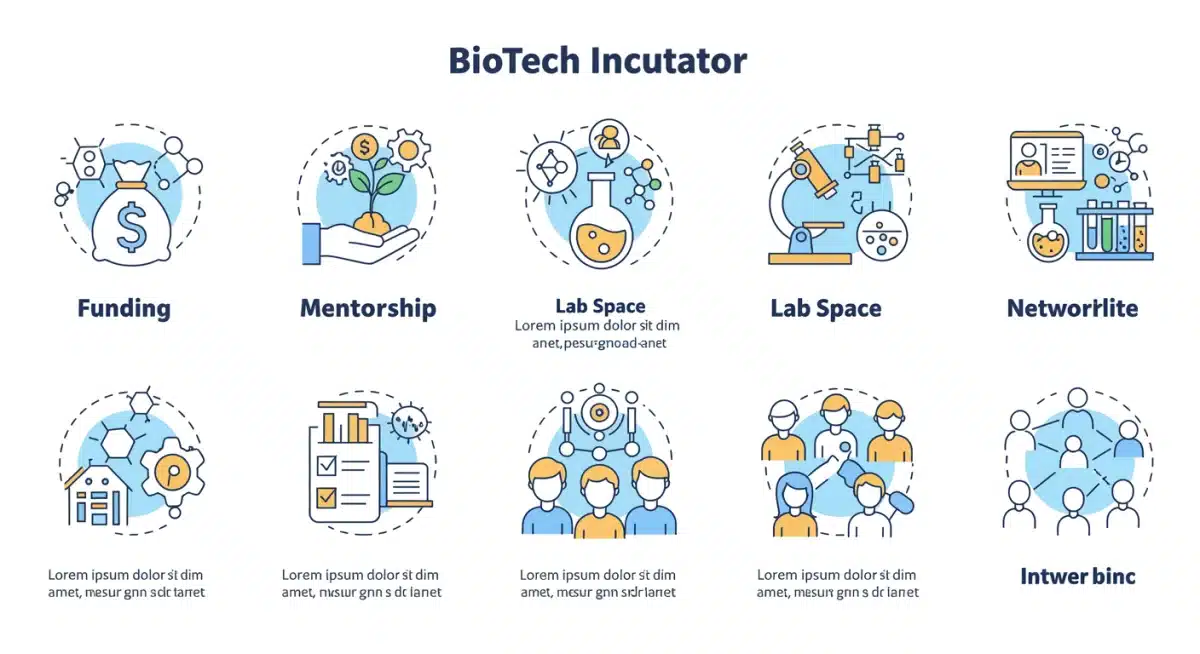
Beyond the impressive facilities, JLABS offers a comprehensive ecosystem of support. Startups gain access to mentorship from J&J leaders, educational programming, and opportunities to connect with potential investors and strategic partners. The brand recognition and global network of Johnson & Johnson open doors that might otherwise remain closed.
- No-Strings-Attached Model: Startups retain 100% IP.
- World-Class Facilities: Access to cutting-edge lab equipment and infrastructure.
- Corporate Mentorship: Guidance from Johnson & Johnson experts in various fields.
- Global Network: Opportunities for collaboration and market access through J&J’s extensive reach.
For startups aiming for significant scale and global impact, JLABS presents an incredibly compelling proposition. Its presence in key biotech clusters ensures a vibrant and competitive environment, attracting top talent and innovative projects.
LabCentral (Cambridge, MA): The Epicenter of Biotech
Nestled in the heart of Kendall Square, Cambridge, LabCentral is arguably one of the most prestigious and sought-after biotech incubators in the US. It offers fully equipped, permitted, and operational lab and office space for high-potential life-science startups. Its location alone provides unparalleled access to a dense ecosystem of biotech companies, academic institutions like MIT and Harvard, and venture capital firms.
LabCentral’s model focuses on providing turnkey lab solutions, allowing scientists to focus entirely on their research without the burden of setting up and maintaining expensive lab infrastructure. This efficiency is critical for early-stage companies where every moment and dollar counts. Their community is highly curated, fostering a supportive yet competitive environment.
Community and Strategic Location
The strength of LabCentral lies not only in its physical offerings but also in its vibrant community. Regular networking events, scientific seminars, and mentorship programs are integral to its operations. Being part of LabCentral often signifies a certain level of validation, attracting further investment and talent.
- Prime Location: Unbeatable access to Cambridge’s biotech hub.
- Turnkey Labs: Fully equipped and managed lab and office spaces.
- Curated Community: A highly selective environment fostering collaboration and innovation.
- Investor Access: Proximity to major venture capital firms specializing in life sciences.
LabCentral is ideal for startups that have already demonstrated strong scientific potential and are ready to accelerate their development in a world-class environment. Its high demand reflects its proven track record in nurturing successful biotech ventures.
BioLabs (Multiple US Locations): Expanding the Biotech Footprint
BioLabs operates a network of premier co-working lab spaces across key biotech clusters in the US, including Boston, San Diego, and North Carolina. Similar to LabCentral, BioLabs provides fully outfitted and operational laboratories, enabling startups to move in and begin experiments immediately. Their flexible membership models cater to a range of startup needs, from single benches to private labs.
BioLabs emphasizes creating environments that foster collaboration and rapid iteration. They offer shared equipment, administrative support, and a robust calendar of events, including scientific talks, investor presentations, and networking mixers. This comprehensive support system allows founders to concentrate on scientific milestones.
Flexibility and Community Building
The strength of BioLabs lies in its ability to replicate its successful model across different geographic locations, making high-quality lab space and community accessible to more startups. Each BioLabs site maintains a strong local identity while benefiting from the broader network’s resources and best practices.
- Flexible Lab Solutions: Customizable space options for various startup stages.
- Extensive Network: Access to a wide community of entrepreneurs and industry experts.
- Operational Support: Shared equipment maintenance and administrative services.
- Strategic Locations: Presence in major and emerging biotech hubs.
BioLabs is an excellent choice for startups seeking a flexible, fully equipped lab environment with a strong emphasis on community and collaboration, regardless of their specific location within the US biotech landscape.
Alexandria LaunchLabs (Multiple US Locations): Real Estate Meets Innovation
Alexandria LaunchLabs, an initiative by Alexandria Real Estate Equities, combines prime real estate development with dedicated startup incubation. With locations in major innovation clusters like New York City, Cambridge, and Seattle, LaunchLabs offers state-of-the-art lab and office space, coupled with a comprehensive platform of resources and services.
Their model integrates premium infrastructure with strategic capital and operational support. Startups gain access to fully equipped labs, shared common areas, and a curated community. Alexandria’s deep connections within the life science industry provide valuable networking and partnership opportunities.
Integrated Support and Strategic Capital
What sets Alexandria LaunchLabs apart is its ability to offer not only physical space but also access to seed funding through its Alexandria Seed Capital platform. This integrated approach addresses both the real estate and capital needs of early-stage biotech companies, significantly de-risking their initial stages of development.
- Premium Facilities: High-quality lab and office space in prime locations.
- Strategic Capital: Access to seed funding and connections to investors.
- Industry Network: Leveraging Alexandria’s extensive relationships in life sciences.
- Operational Services: Comprehensive support to manage lab operations.
Alexandria LaunchLabs is particularly attractive for startups that value a premium environment, direct access to capital, and strong ties to the broader life science industry, all within strategically located innovation hubs.
Other Notable US Biotech Incubators for 2026
While the aforementioned incubators are prominent, several other programs across the US also play a crucial role in fostering biotech innovation. These incubators often have unique specializations, regional strengths, or distinct support models that cater to specific types of startups or research areas. Exploring these diverse options is key for finding the perfect match.
From university-affiliated programs to privately funded initiatives, the breadth of the US biotech incubator landscape is impressive. Each offers a different blend of resources, mentorship, and community, reflecting the varied needs of the biotech startup ecosystem. Understanding these alternatives can provide valuable insights for founders.
Regional Excellence and Specialized Focus
- IndieBio (San Francisco/New York): Focuses on synthetic biology and deep tech, offering a strong accelerator model with significant seed funding.
- University City Science Center (Philadelphia): One of the oldest and largest urban research parks, providing lab space and business support for health tech and biotech.
- LaunchBio (Multiple Cities): Creates a network of innovation hubs, offering programming and community building events for life science entrepreneurs.
- Texas Medical Center Innovation (Houston): Leverages the vast resources of the world’s largest medical center to support health and life science startups.
- Activate (Berkeley/Boston): Supports entrepreneurial scientists and engineers with fellowships and funding to bring groundbreaking science to market.
These programs, alongside the larger players, contribute significantly to the vibrant and diverse US biotech innovation ecosystem. Each offers distinct advantages, making the choice of incubator a strategic decision based on a startup’s specific needs and stage of development.
Choosing the Right Biotech Incubator for Your Startup
Selecting the ideal biotech incubator is a critical decision that can profoundly impact a startup’s success. It’s not merely about finding available lab space; it’s about aligning with a program that offers the right blend of resources, expertise, and community to support your specific scientific and business goals. Consider factors beyond location and cost.
Evaluate the incubator’s track record, the types of companies it has successfully nurtured, and the quality of its mentorship network. A strong fit ensures that your startup can leverage the incubator’s ecosystem to its fullest potential, accelerating development and increasing the likelihood of securing follow-on funding and strategic partnerships.
Key Considerations for Selection
- Specialization: Does the incubator focus on your specific area of biotech (e.g., therapeutics, diagnostics, synthetic biology)?
- Mentorship Quality: Are there experienced mentors with relevant industry knowledge?
- Funding Opportunities: Does the incubator provide direct funding or strong connections to investors?
- Facilities and Equipment: Are the lab facilities state-of-the-art and equipped for your research needs?
- Community and Culture: Does the environment foster collaboration and support among peers?
- Intellectual Property Policy: Understand how the incubator handles IP rights.
Ultimately, the best incubator is one that provides a tailored environment where your startup can thrive, overcoming early-stage challenges and positioning itself for long-term growth and success in the competitive biotech landscape.
| Key Program | Unique Strength |
|---|---|
| QB3 | Strong academic ties to UC system, quantitative biosciences focus. |
| JLABS | No-strings-attached IP, global J&J network, diverse healthcare focus. |
| LabCentral | Prime Cambridge location, turnkey labs, highly curated community. |
| Alexandria LaunchLabs | Integrated real estate & capital, premium facilities, industry connections. |
Frequently Asked Questions About Biotech Incubators
The primary benefit is accelerated development through shared resources, expert mentorship, and access to crucial networking opportunities. Incubators significantly reduce the initial capital expenditure for lab space and equipment, allowing startups to focus on scientific progress and business strategy without operational burdens.
While both support startups, incubators typically offer long-term support with physical lab space and resources for early-stage development. Accelerators, conversely, usually provide shorter, intensive programs focused on rapid growth, mentorship, and securing funding, often in exchange for equity. Some programs blend both models.
It depends on the incubator. Many, like JLABS, operate on a ‘no-strings-attached’ model, allowing startups to retain 100% of their intellectual property. Others, particularly university-affiliated programs or those offering direct investment, might have specific IP clauses. It’s crucial to thoroughly review each program’s terms.
Selection criteria usually include the scientific novelty and potential impact of the technology, the strength and experience of the founding team, the market opportunity, and the feasibility of the business plan. Programs often look for scalable and innovative solutions that address significant unmet needs in the biotech sector.
Financial support varies greatly. Some incubators provide direct seed funding or grants, while many offer connections to venture capitalists, angel investors, and grant opportunities. The primary financial benefit often comes from reduced operational costs due to shared infrastructure and subsidized lab space, rather than direct cash investment.
Conclusion
The 2026 landscape of US biotech incubators is rich with opportunities for life science startups seeking to translate groundbreaking research into commercial success. From the academic prowess of QB3 to the global reach of JLABS and the strategic location of LabCentral, each program offers distinct advantages. The choice of incubator is a pivotal strategic decision, demanding careful consideration of a startup’s specific needs, scientific focus, and long-term aspirations. By understanding the unique strengths of these leading programs, entrepreneurs can make an informed decision that significantly propels their journey from nascent idea to impactful biotech innovation, ultimately shaping the future of healthcare and life sciences.