Scaling Biotech Lab Operations: 7 Essential Steps for US Startups to Expand Efficiently in 2026

Scaling Biotech Lab Operations: 7 Essential Steps for US Startups to Expand Efficiently in 2026
The biotech industry in the United States is a dynamic and rapidly evolving landscape, characterized by groundbreaking discoveries and intense competition. For startups, the journey from initial concept to market-ready product is fraught with challenges, not least of which is the intricate process of scaling biotech operations. As we look towards 2026, the imperative for efficient and strategic expansion becomes even more pronounced. This comprehensive guide will delve into seven essential steps that US biotech startups must undertake to successfully scale their lab operations, ensuring sustainable growth, regulatory compliance, and continued innovation.
Scaling a biotech lab isn’t merely about adding more benches or hiring more staff; it’s about a holistic transformation that impacts every facet of the organization. From securing adequate funding to implementing advanced automation, navigating complex regulatory frameworks, and fostering a culture of continuous improvement, each step is critical. The goal is not just to grow, but to grow smartly, maintaining scientific integrity and operational excellence throughout the expansion process.
The US biotech market is unique, with its robust venture capital ecosystem, world-class research institutions, and stringent regulatory environment. These factors present both immense opportunities and significant hurdles for nascent companies. Understanding these nuances is paramount for any startup aiming to make a lasting impact. By meticulously planning and executing their scaling strategies, startups can overcome these challenges and position themselves for long-term success in this competitive arena.
1. Strategic Planning and Financial Forecasting: The Foundation of Scaling Biotech Operations
Before any physical expansion or hiring spree begins, a robust strategic plan is indispensable for successful scaling biotech operations. This plan should not only outline the scientific and business objectives but also include detailed financial forecasting. Biotech research and development are inherently capital-intensive, with long lead times and high-risk profiles. Therefore, securing and managing funding effectively is paramount.
Developing a Comprehensive Business Plan
A comprehensive business plan for scaling should extend beyond the initial startup phase. It needs to project growth over several years, detailing anticipated R&D milestones, product development timelines, market entry strategies, and revenue models. This plan serves as a roadmap, guiding decisions related to infrastructure, technology, and human capital. Crucially, it must also articulate the unique value proposition of the startup’s technology or product, demonstrating its potential to address unmet medical needs or revolutionize existing processes.
Accurate Financial Projections and Funding Strategies
Financial forecasting is perhaps the most challenging aspect. Startups must accurately estimate the costs associated with increased lab space, new equipment, additional personnel, regulatory compliance, and clinical trials. This requires a deep understanding of market dynamics, competitor landscapes, and the specific needs of the target patient population. Furthermore, startups need to develop diverse funding strategies. This might involve a combination of venture capital, angel investments, government grants (such as NIH or SBIR/STTR grants), strategic partnerships with larger pharmaceutical companies, and even public offerings for more mature companies. Each funding source comes with its own set of expectations and requirements, which must be carefully managed.
For US biotech startups, investor relations are critical. Demonstrating a clear path to profitability and a strong intellectual property portfolio can significantly enhance funding prospects. Transparency in financial reporting and realistic projections are essential to build investor confidence and secure the capital needed for sustained scaling biotech operations.
2. Infrastructure Expansion and Optimization: Designing for Growth
As a biotech startup grows, its physical infrastructure must evolve to support increased research demands and pipeline expansion. This step involves more than just acquiring larger lab spaces; it’s about optimizing the design and functionality of the environment to maximize efficiency, safety, and scalability.
Choosing the Right Lab Space
The decision to expand or relocate lab space is monumental. Startups must consider factors such as proximity to talent pools (e.g., major university research hubs), access to specialized equipment and services, cost-effectiveness, and future expansion potential. Biotech incubators and accelerators can provide an excellent initial environment, offering shared resources and mentorship, but eventually, dedicated facilities become necessary for significant scaling biotech operations.
When designing new labs or renovating existing ones, flexibility is key. Modular lab designs, for instance, can adapt to changing research needs without extensive overhauls. Consideration should also be given to specialized environments, such as cleanrooms, BSL-2/3 facilities, and animal housing, depending on the nature of the research.
Implementing Advanced Lab Management Systems
Beyond physical space, the operational infrastructure requires significant upgrades. Implementing advanced Lab Information Management Systems (LIMS), Electronic Lab Notebooks (ELN), and Inventory Management Systems (IMS) is crucial. These digital tools streamline data collection, sample tracking, experimental documentation, and resource management, thereby reducing human error, improving data integrity, and enhancing overall efficiency. A well-integrated suite of these systems forms the backbone of efficient scaling biotech operations, ensuring that data is accessible, traceable, and compliant with regulatory standards.
Investing in robust IT infrastructure, including secure cloud storage solutions and high-performance computing capabilities, is also vital for handling the massive datasets generated in modern biotech research, particularly in areas like genomics, proteomics, and AI-driven drug discovery.
3. Embracing Automation and Digitalization: The Engine of Efficiency
In the pursuit of efficient scaling biotech operations, automation and digitalization are not just luxuries but necessities. These technologies can dramatically increase throughput, reduce variability, and free up highly skilled scientists to focus on higher-level analytical and interpretive tasks.
Automating Repetitive Lab Processes
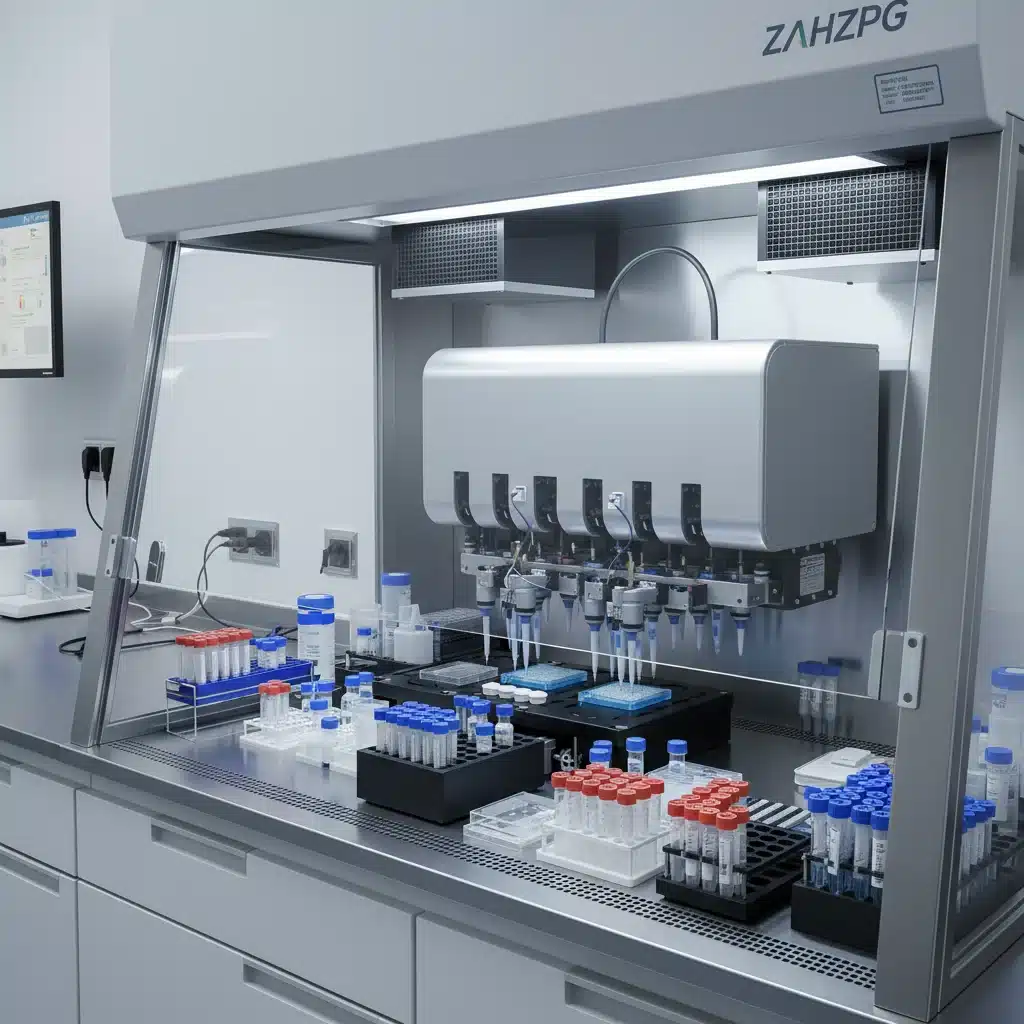
Many routine lab tasks, such as pipetting, sample preparation, plate reading, and cell culture maintenance, are amenable to automation. Robotic liquid handlers, automated plate readers, and robotic arms can perform these tasks with greater precision, speed, and reproducibility than manual methods. This not only accelerates research cycles but also minimizes the risk of human error and contamination. For US biotech startups, the initial investment in automation can be substantial, but the long-term benefits in terms of efficiency, data quality, and cost savings are often compelling.
When selecting automation platforms, it’s important to choose systems that are flexible, scalable, and compatible with existing lab workflows. Integration with LIMS and ELN systems is also critical to ensure a seamless flow of data from instruments to data management platforms.
Leveraging AI and Machine Learning for Data Analysis
Beyond physical automation, digitalization extends to advanced data analysis. Artificial intelligence (AI) and ML algorithms are transforming how biotech companies interpret complex biological data. From accelerating drug discovery by predicting molecular interactions to optimizing experimental design and identifying biomarkers, AI/ML tools can extract insights that would be impossible to discern manually.
Implementing AI/ML requires access to high-quality, well-annotated datasets and expertise in data science. Biotech startups should consider building internal data science capabilities or partnering with specialized AI firms to harness the full potential of these technologies. This strategic investment in digital capabilities is crucial for maintaining a competitive edge and efficiently scaling biotech operations in the rapidly advancing biotech landscape.
4. Talent Acquisition and Development: Building a High-Performing Team
No matter how advanced the technology, a biotech company’s success ultimately hinges on the quality of its people. Scaling biotech operations requires a concerted effort in talent acquisition, retention, and continuous development.
Recruiting Specialized Expertise
As research programs expand and become more complex, the need for specialized expertise grows. This includes not only highly skilled bench scientists but also bioinformaticians, data scientists, regulatory affairs specialists, clinical development experts, and project managers. US biotech startups often compete with larger pharmaceutical companies and established tech giants for top talent, making a compelling employer brand and competitive compensation package essential.
Recruitment strategies should go beyond traditional job boards. Networking within scientific communities, attending industry conferences, and leveraging university partnerships can be effective ways to identify and attract promising candidates. Emphasizing the startup’s mission, innovative culture, and potential for significant impact can also be powerful motivators for prospective employees.
Fostering a Culture of Learning and Collaboration
Retaining top talent is as important as acquiring it. Biotech startups must cultivate a dynamic and supportive work environment that encourages continuous learning, professional development, and interdisciplinary collaboration. This includes providing opportunities for advanced training, mentorship programs, and clear career progression paths.
A strong organizational culture that values scientific rigor, ethical conduct, and open communication is vital. Regular team-building activities, transparent leadership, and recognition of achievements can significantly boost employee morale and commitment, ensuring that the team remains cohesive and productive even as the company undergoes rapid scaling biotech operations.
5. Quality Management Systems (QMS) and Regulatory Compliance: Navigating the US Landscape
For any biotech company, particularly those operating in the US, adherence to stringent quality standards and regulatory requirements is non-negotiable. As startups scale, the complexity of these obligations increases exponentially. Establishing a robust Quality Management System (QMS) from an early stage is critical for ensuring product safety, efficacy, and regulatory approval.
Implementing a Robust QMS
A QMS encompasses all processes, procedures, and resources necessary to ensure that products and services consistently meet customer and regulatory requirements. For biotech, this typically involves adherence to Good Laboratory Practices (GLP), Good Manufacturing Practices (GMP), and Good Clinical Practices (GCP) depending on the stage of development. Early implementation of a QMS, even at a nascent stage, provides a structured framework for all lab activities, from experimental design and data recording to reagent management and instrument calibration.
Key components of a biotech QMS include document control, change control, deviation management, corrective and preventive actions (CAPA), internal audits, and supplier qualification. Investing in QMS software solutions can help streamline these processes, ensuring traceability and compliance.
Navigating FDA Regulations and Other Compliance Standards
The US Food and Drug Administration (FDA) is the primary regulatory body overseeing biotech products. Navigating FDA regulations, which are notoriously complex and ever-evolving, requires specialized expertise. As startups move from discovery to preclinical and clinical development, they must understand and comply with specific FDA guidelines for investigational new drug (IND) applications, clinical trial design, manufacturing processes, and eventual marketing authorization (e.g., Biologics License Application (BLA) or New Drug Application (NDA)).
Beyond the FDA, biotech startups must also comply with other federal and state regulations related to environmental safety, hazardous waste disposal, export controls, and data privacy (e.g., HIPAA for patient data). Proactively engaging with regulatory consultants and legal experts can help startups anticipate and address compliance challenges, thereby avoiding costly delays and potential penalties during the crucial phase of scaling biotech operations.
6. Cultivating Strategic Partnerships and Collaborations: Accelerating Growth
In the highly interconnected biotech ecosystem, strategic partnerships and collaborations can significantly accelerate a startup’s growth and enhance its capabilities. For US biotech startups, these alliances can provide access to critical resources, expertise, and market channels that might otherwise be out of reach.
Leveraging Academic and Industry Collaborations
Partnerships with academic institutions can provide access to cutting-edge research, specialized equipment, and a pipeline of talented scientists. Joint research projects, licensing agreements for foundational intellectual property, and sponsored research initiatives are common forms of academic collaboration. These can be particularly valuable in the early stages of scaling biotech operations, allowing startups to validate their technologies and generate crucial preclinical data.
Collaborations with larger pharmaceutical or biotech companies can offer even more substantial benefits, including funding, advanced manufacturing capabilities, clinical trial infrastructure, and global market access. These partnerships often take the form of co-development agreements, licensing deals, or even acquisition by a larger entity. While these collaborations can be transformative, startups must carefully negotiate terms to protect their intellectual property and maintain strategic control where appropriate.
Engaging with Contract Research and Manufacturing Organizations (CROs/CMOs)
As biotech startups scale, they often face limitations in internal capacity for specialized activities like toxicology studies, clinical trial management, or large-scale manufacturing. Engaging with Contract Research Organizations (CROs) and Contract Manufacturing Organizations (CMOs) can be a highly effective strategy to outsource these functions. This allows the startup to focus on its core competencies and leverage the specialized expertise and infrastructure of external partners, thereby accelerating development timelines and reducing capital expenditure.
Careful selection and management of CROs/CMOs are essential. Due diligence, clear communication, and robust contract agreements are necessary to ensure quality, adherence to timelines, and protection of intellectual property. These partnerships are instrumental in efficiently scaling biotech operations without overextending internal resources.

7. Continuous Improvement and Adaptability: Sustaining Long-Term Success
The biotech industry is characterized by constant innovation and change. For US biotech startups to achieve sustained success in scaling biotech operations, they must embed a culture of continuous improvement and be highly adaptable to new scientific discoveries, technological advancements, and evolving market dynamics.
Implementing Lean Lab Principles and Agile Methodologies
Adopting principles from Lean manufacturing and Agile project management can significantly enhance operational efficiency. Lean lab principles focus on identifying and eliminating waste in all lab processes, from sample handling to data analysis. This leads to reduced costs, faster turnaround times, and improved quality. Agile methodologies, traditionally used in software development, can be adapted to biotech R&D to foster iterative development, rapid prototyping, and flexible project management, allowing teams to respond quickly to new data and challenges.
Regular process reviews, performance metrics tracking, and feedback loops are essential components of a continuous improvement framework. Encouraging employees at all levels to identify inefficiencies and propose solutions can foster a sense of ownership and drive ongoing optimization.
Staying Abreast of Scientific and Technological Advancements
The pace of scientific discovery in biotech is relentless. New technologies, such as CRISPR gene editing, single-cell sequencing, and advanced imaging techniques, are constantly emerging and reshaping the research landscape. For startups, staying informed about these advancements and strategically integrating relevant new technologies into their workflows is crucial for maintaining a competitive edge. This requires dedicated resources for technology scouting, participation in scientific conferences, and fostering relationships with academic pioneers.
Adaptability also extends to market trends and patient needs. Biotech startups must continuously monitor the competitive landscape, understand evolving healthcare policies, and solicit feedback from clinicians and patients to ensure their products remain relevant and impactful. The ability to pivot research directions or adjust product development strategies in response to new information is a hallmark of successful scaling biotech operations.
Conclusion: Charting a Course for Biotech Excellence in 2026
The journey of scaling biotech operations for US startups in 2026 is a multifaceted endeavor, demanding foresight, resilience, and strategic execution. By meticulously addressing the seven essential steps outlined in this guide—strategic planning, infrastructure optimization, automation, talent development, regulatory compliance, strategic partnerships, and continuous improvement—startups can lay a solid foundation for sustainable growth and impactful innovation.
The US biotech ecosystem offers unparalleled opportunities, but it also presents unique challenges. Companies that embrace a proactive and adaptive approach, leveraging cutting-edge technology and fostering a culture of excellence, will be best positioned to navigate this complex environment. As these startups mature, their ability to efficiently scale their lab operations will not only drive their own success but also contribute significantly to advancements in human health and the broader scientific community. The future of biotech is bright, and with careful planning and execution, today’s startups can become tomorrow’s industry leaders.