
The 5 Most Promising Gene Therapy Investment Opportunities for Q3 2026 in the US Market
The landscape of modern medicine is undergoing a profound transformation, driven by advancements in biotechnology, particularly in the realm of gene therapy. This revolutionary approach to treating diseases by modifying a patient’s genes holds immense promise, offering the potential to cure conditions that were once considered untreatable. As we approach Q3 2026, the US market for gene therapy is buzzing with innovation, making it a fertile ground for savvy investors seeking high-growth opportunities. Understanding the intricacies of this market, identifying key players, and recognizing the underlying scientific breakthroughs are crucial for making informed gene therapy investments.
Gene therapy, at its core, involves introducing genetic material into a person’s cells to compensate for abnormal genes or to make a beneficial protein. This can be achieved through various vectors, most commonly modified viruses, which act as delivery vehicles for the therapeutic genes. The applications are vast and growing, ranging from rare genetic disorders like cystic fibrosis and Huntington’s disease to more common conditions such as cancer and cardiovascular diseases. The efficacy and safety profiles of these therapies are continually improving, leading to increased regulatory approvals and broader market acceptance.
The US market, in particular, is a global leader in gene therapy research, development, and commercialization. This is attributed to several factors: a robust regulatory framework that, while stringent, fosters innovation; significant private and public funding for biomedical research; a vibrant ecosystem of academic institutions, biotech startups, and large pharmaceutical companies; and a high demand for advanced medical treatments. As such, focusing on the US market for gene therapy investments in Q3 2026 is a strategic move for those looking to capitalize on this burgeoning sector.
However, investing in gene therapy is not without its complexities. The field is characterized by high research and development costs, lengthy clinical trial processes, and significant regulatory hurdles. The success or failure of a therapy often hinges on scientific breakthroughs, clinical trial outcomes, and market adoption. Therefore, a thorough due diligence process, coupled with an understanding of the scientific principles and market dynamics, is paramount. This article aims to provide a comprehensive overview of the top 5 most promising gene therapy investment opportunities in the US market for Q3 2026, offering insights into their technology, market potential, and competitive advantages.
The Resurgence of Gene Therapy: Market Trends and Growth Drivers
The concept of gene therapy has been around for decades, but it’s only in recent years that it has truly blossomed into a viable therapeutic option. Early setbacks and safety concerns had dampened enthusiasm, but persistent research and technological advancements have overcome many of these challenges. Today, gene therapy is experiencing a significant resurgence, driven by several key factors that make it an attractive area for gene therapy investments.
One of the primary growth drivers is the increasing understanding of the genetic basis of diseases. Advances in genomics, such as next-generation sequencing, have enabled scientists to pinpoint the exact genetic mutations responsible for a wide array of conditions. This knowledge is crucial for designing highly targeted gene therapies that address the root cause of the disease rather than just managing symptoms. The precision medicine movement, which tailors treatments to an individual’s genetic makeup, is intrinsically linked to the success and expansion of gene therapy.
Another significant factor is the maturation of gene delivery technologies. Viral vectors, particularly Adeno-Associated Viruses (AAVs) and lentiviruses, have become more refined, offering improved safety profiles and higher transduction efficiency (the ability to deliver genes into cells). Non-viral methods, such as lipid nanoparticles, are also gaining traction, particularly with the success of mRNA vaccines, opening new avenues for gene delivery. These technological improvements are expanding the applicability of gene therapy to a broader range of diseases and patient populations, enhancing their appeal for gene therapy investments.
Regulatory support and accelerated approval pathways are also playing a pivotal role. Recognizing the transformative potential of gene therapies, regulatory bodies like the FDA in the US have implemented programs such as Regenerative Medicine Advanced Therapy (RMAT) designation, which expedites the development and review of promising therapies. This streamlined process can significantly reduce the time and cost associated with bringing a new gene therapy to market, thereby increasing the return on gene therapy investments.
Furthermore, increasing patient and physician acceptance is contributing to market growth. As more gene therapies receive approval and demonstrate positive clinical outcomes, there is a growing confidence in their safety and efficacy. Patient advocacy groups are also instrumental in raising awareness and driving demand for these innovative treatments, creating a favorable market environment for companies in the gene therapy space.
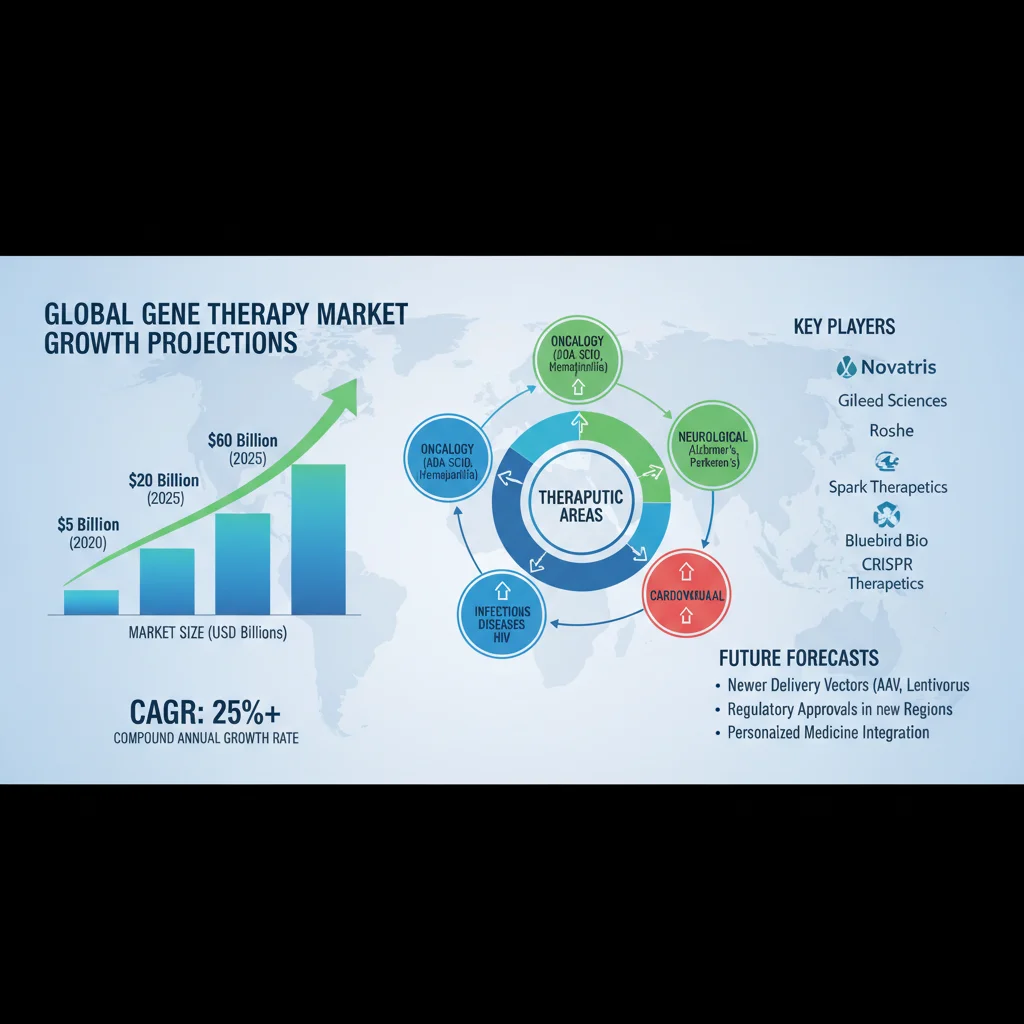
The global gene therapy market is projected to grow at a compound annual growth rate (CAGR) of over 20% in the coming years, with the US being a dominant force. This robust growth trajectory is fueled by a strong pipeline of therapies in various stages of development, a growing number of regulatory approvals, and increasing healthcare expenditure. For investors, this translates into a dynamic and expanding market with considerable potential for long-term capital appreciation, making gene therapy investments a compelling proposition.
Criteria for Identifying Top Gene Therapy Investment Opportunities
Before diving into specific companies, it’s essential to outline the criteria used to identify the most promising gene therapy investment opportunities for Q3 2026. This rigorous selection process helps to mitigate risks and focus on companies with the highest potential for success and substantial returns.
- Strong Clinical Pipeline: A robust pipeline with multiple candidates in various stages of clinical trials (especially Phase 2 and 3) indicates a company’s long-term potential. Diversification across different therapeutic areas also reduces reliance on a single drug’s success. Companies with therapies targeting large patient populations or conditions with high unmet medical needs are particularly attractive for gene therapy investments.
- Proprietary Technology and Intellectual Property: Companies with unique and patented gene editing tools, novel viral vectors, or innovative delivery systems possess a significant competitive advantage. Strong intellectual property (IP) protection creates barriers to entry for competitors and ensures a sustainable market position. This is a critical factor for securing profitable gene therapy investments.
- Positive Clinical Trial Data: Favorable results from clinical trials, demonstrating both efficacy and a manageable safety profile, are paramount. Investors should look for therapies that show statistically significant improvements in patient outcomes compared to existing treatments. This data provides the strongest indication of future market success.
- Experienced Management Team and Scientific Advisory Board: A leadership team with a proven track record in drug development, regulatory affairs, and commercialization is crucial. A strong scientific advisory board composed of leading experts in genetics and gene therapy also lends credibility and guidance to the company’s research efforts.
- Strategic Partnerships and Funding: Collaborations with larger pharmaceutical companies, academic institutions, or government agencies can provide vital funding, access to resources, and validation of the company’s technology. Adequate cash reserves and a clear funding strategy are essential for sustaining long and expensive R&D processes.
- Market Opportunity and Unmet Needs: Therapies addressing diseases with high prevalence, significant morbidity, or limited existing treatment options represent substantial market opportunities. The ability to address unmet medical needs often translates into faster regulatory approvals and premium pricing, making these attractive for gene therapy investments.
- Manufacturing Capabilities: The complex nature of gene therapy manufacturing requires specialized facilities and expertise. Companies with established or developing in-house manufacturing capabilities, or strong partnerships with contract manufacturing organizations (CMOs), are better positioned to scale production and meet future demand.
By applying these criteria, investors can filter through the vast number of biotech companies and identify those with the highest probability of delivering significant returns in the gene therapy sector. This systematic approach is vital for making informed gene therapy investments.
Top 5 Gene Therapy Investment Opportunities for Q3 2026
Based on the outlined criteria and current market analysis, here are the 5 most promising gene therapy investment opportunities in the US market for Q3 2026. These companies represent a blend of established leaders and innovative disruptors, each with unique strengths and considerable growth potential.
1. CRISPR Therapeutics (CRSP)
CRISPR Therapeutics is a leader in gene editing, specifically utilizing the revolutionary CRISPR/Cas9 technology. Their lead product, Exa-cel (formerly CTX001), developed in partnership with Vertex Pharmaceuticals, has shown groundbreaking results for sickle cell disease and beta-thalassemia, two severe genetic blood disorders. The therapy involves editing a patient’s own hematopoietic stem cells to produce fetal hemoglobin, which can alleviate symptoms and potentially offer a functional cure. Exa-cel received FDA approval in late 2023, marking a significant milestone for CRISPR-based therapies. The commercial rollout and patient uptake in 2024 and beyond are expected to drive substantial revenue growth, making CRSP a prime candidate for gene therapy investments.
Beyond Exa-cel, CRISPR Therapeutics boasts a robust pipeline. They are advancing allogeneic (off-the-shelf) CAR-T cell therapies for various cancers, which could overcome the limitations of autologous (patient-specific) CAR-T therapies. Their in vivo gene editing programs, targeting conditions like transthyretin amyloidosis and glycogen storage disease type Ia, represent the next frontier of CRISPR application. The company’s strong intellectual property portfolio surrounding CRISPR technology, coupled with its pioneering role in bringing gene-edited therapies to market, positions it as a long-term leader in the gene therapy space. The potential for future indications and the scalability of their platform technology make CRSP an attractive option for those considering gene therapy investments.
2. Sarepta Therapeutics (SRPT)
Sarepta Therapeutics is a well-established player focusing on precision genetic medicine for rare neuromuscular diseases. Their flagship products, including Exondys 51, Vyondys 53, and Amondys 45, are approved for subsets of Duchenne muscular dystrophy (DMD) patients. However, the real excitement and growth potential for Q3 2026 lie in their gene therapy program for DMD, specifically Elevidys (delandistrogene moxeparvovec). Elevidys is an AAV-based gene therapy designed to deliver a micro-dystrophin gene to muscle cells, aiming to produce a functional dystrophin protein that is deficient in DMD patients.
Elevidys received accelerated approval from the FDA in 2023 for ambulatory patients aged 4-5 years with DMD, and the company is pursuing a broader label. The unmet medical need in DMD is enormous, and Elevidys has the potential to become a foundational treatment. While pricing and reimbursement challenges exist, the transformative nature of the therapy and the dedicated patient population suggest strong commercial uptake. Sarepta’s deep expertise in rare diseases, established commercial infrastructure, and extensive clinical experience make it a compelling choice for gene therapy investments. The company’s ongoing research into next-generation gene therapies and RNA-based treatments further solidifies its long-term prospects.

3. Beam Therapeutics (BEAM)
Beam Therapeutics is at the forefront of base editing, a revolutionary gene editing technology that allows for precise, single-base changes in DNA without creating double-strand breaks. This offers a potentially safer and more precise alternative to traditional CRISPR/Cas9, which can sometimes lead to unintended edits or chromosomal rearrangements. Beam’s platform holds immense promise for correcting a wide range of genetic mutations that cause diseases.
The company’s pipeline includes programs targeting sickle cell disease and beta-thalassemia, similar to CRISPR Therapeutics, but using their proprietary base editing technology. Their lead candidate, BEAM-101, is an autologous base-edited cell therapy for sickle cell disease, with initial clinical data expected to emerge by Q3 2026. Beyond blood disorders, Beam is also exploring in vivo base editing for ocular diseases, liver disorders, and other genetic conditions. The intellectual property around base editing is strong, and the potential for a safer, more precise editing tool could give Beam a significant competitive edge in the long run. Investors looking for exposure to cutting-edge gene editing technology with substantial future upside should consider Beam Therapeutics for their gene therapy investments.
4. Intellia Therapeutics (NTLA)
Intellia Therapeutics is another prominent player in the CRISPR gene editing space, distinguishing itself with a strong focus on in vivo gene editing. This approach involves delivering gene editing components directly into the body to modify cells within the patient, rather than extracting cells, editing them externally, and re-infusing them (ex vivo editing). This in vivo strategy has the potential to simplify treatment regimens and expand the addressable patient population for many genetic diseases.
Intellia’s lead program, NTLA-2001, for transthyretin (ATTR) amyloidosis, has demonstrated impressive clinical results, showing deep and sustained reductions in TTR protein levels with a single dose. This therapy represents a significant advancement over existing treatments and has the potential to be a blockbuster drug. They are also developing NTLA-2002 for hereditary angioedema (HAE), another severe genetic disorder, with promising early data. The company’s proprietary lipid nanoparticle (LNP) delivery technology is a key differentiator, enabling efficient and safe delivery of CRISPR components to target organs. With multiple clinical programs advancing and a strong emphasis on in vivo applications, Intellia Therapeutics offers a compelling growth story for gene therapy investments, particularly for those interested in the next generation of gene editing.
5. Regeneron Pharmaceuticals (REGN)
While often recognized for its broad pharmaceutical portfolio, Regeneron has made significant strides in gene therapy through strategic acquisitions and internal development. Their commitment to ophthalmic gene therapies, particularly for conditions like retinitis pigmentosa and other inherited retinal diseases, positions them as a key player in this niche but high-value segment. Regeneron’s acquisition of Decibel Therapeutics in 2023 further bolstered its gene therapy pipeline, adding programs for hearing loss and other inner ear disorders.
Regeneron’s deep pockets, extensive R&D capabilities, and established commercial infrastructure provide a strong foundation for its gene therapy ventures. Unlike pure-play gene therapy biotechs, Regeneron offers a more diversified investment, potentially buffering against the high risks associated with single-product companies. Their expertise in antibody engineering and target validation, combined with gene therapy technologies, could lead to synergistic breakthroughs. For investors seeking a blend of stability and high-growth potential in gene therapy, Regeneron represents a robust option for gene therapy investments, leveraging the strength of a large pharmaceutical company to drive innovation in this specialized field.
Risks and Considerations for Gene Therapy Investments
Despite the immense promise, gene therapy investments come with inherent risks that investors must carefully consider. Understanding these challenges is crucial for making balanced and informed decisions.
Clinical Trial Failures: The drug development process is fraught with high failure rates. A significant percentage of therapies that enter clinical trials do not make it to market due to lack of efficacy, safety concerns, or unforeseen side effects. A single clinical trial setback can severely impact a company’s stock price and future prospects.
Regulatory Hurdles: While regulatory bodies are increasingly supportive, gene therapies are complex, and their approval process can be lengthy and unpredictable. Manufacturing challenges, quality control, and long-term safety data are often scrutinized intensely, potentially delaying or preventing market entry.
Manufacturing Complexities and Costs: Producing gene therapies is a highly intricate and expensive process. It requires specialized facilities, highly skilled personnel, and stringent quality control. Scaling up production to meet commercial demand can be a significant challenge, impacting supply and profitability. These high manufacturing costs can also contribute to the high price tags of gene therapies, which in turn affects market access and reimbursement.
Pricing and Reimbursement Challenges: Gene therapies often carry very high price tags, sometimes in the millions of dollars per patient. This raises significant questions about affordability, healthcare system sustainability, and equitable access. Payers (insurance companies, government programs) are increasingly scrutinizing the value proposition of these therapies, leading to complex reimbursement negotiations and potentially limiting market penetration. The ability of a company to demonstrate long-term value and secure favorable reimbursement terms is critical for commercial success and the profitability of gene therapy investments.
Competition and Intellectual Property Disputes: The gene therapy landscape is highly competitive, with numerous companies vying for market share. Breakthroughs by competitors or disputes over intellectual property can erode a company’s competitive advantage. Litigation over patents, particularly in the CRISPR space, is a recurring theme that can introduce uncertainty.
Ethical Considerations: Gene therapy, particularly germline gene editing (which would affect future generations), raises significant ethical debates. While most current therapies focus on somatic cells (non-heritable changes), public perception and ethical concerns can influence regulatory decisions and public acceptance, potentially impacting the broader market for gene therapy investments.
Long-Term Safety and Efficacy Data: Gene therapies are relatively new, and long-term data on their safety and efficacy are still accumulating. Unforeseen side effects that emerge years after treatment could impact patient confidence and regulatory standing. Investors need to be aware of the ongoing nature of post-market surveillance and the potential for new data to emerge.
Dilution Risk: Many biotech companies, especially those in early stages of development, rely on frequent capital raises to fund their R&D. This can lead to dilution of existing shareholders’ equity, impacting the value of their gene therapy investments. It’s important to assess a company’s cash runway and future funding needs.
Given these risks, investors should consider a diversified approach, rather than putting all their capital into a single gene therapy company. Investing in exchange-traded funds (ETFs) focused on biotechnology or gene therapy can offer broader market exposure and mitigate some of the company-specific risks. Additionally, staying informed about scientific advancements, clinical trial results, and regulatory developments is paramount for navigating this dynamic sector.
The Future Outlook for Gene Therapy and Investment Potential
The future of gene therapy is undeniably bright, with continuous advancements pushing the boundaries of what’s possible in medicine. As we look beyond Q3 2026, several trends are likely to shape the landscape of gene therapy investments.
Expansion into Broader Disease Areas: While initial successes have been concentrated in rare genetic disorders, gene therapy is increasingly being explored for more prevalent conditions like heart disease, neurodegenerative disorders (e.g., Alzheimer’s, Parkinson’s), and infectious diseases. This expansion will significantly enlarge the total addressable market and unlock new growth avenues.
Advancements in Delivery Systems: Beyond AAVs and lentiviruses, next-generation viral and non-viral vectors are under development, promising improved tissue specificity, reduced immunogenicity, and enhanced safety. Technologies like engineered viral capsids and targeted lipid nanoparticles will further refine gene delivery, making therapies more effective and safer.
Combination Therapies: Gene therapy is unlikely to be a standalone solution for all diseases. The future will likely see more combination therapies, where gene editing or gene augmentation is used in conjunction with small molecules, biologics, or other advanced modalities to achieve superior therapeutic outcomes. This integrative approach will open new opportunities for gene therapy investments across the broader biotech sector.
In Vivo vs. Ex Vivo Gene Editing: While ex vivo approaches have dominated early approvals, the trend is moving towards more in vivo applications. The ability to administer gene therapies directly into the patient’s body, without complex cell manipulation, offers convenience, reduces costs, and expands accessibility. Companies excelling in in vivo delivery technologies will likely gain a significant competitive advantage.
Personalized Gene Therapies: The ultimate goal of precision medicine is personalized treatments. As gene sequencing becomes more affordable and accessible, the development of bespoke gene therapies tailored to an individual’s unique genetic profile could become a reality, albeit with significant manufacturing and regulatory challenges. This highly specialized segment could offer premium returns for targeted gene therapy investments.
Globalization of Gene Therapy: While the US currently leads, other regions, particularly Europe and Asia, are rapidly developing their gene therapy capabilities. International collaborations and market expansion will be key for global growth, presenting opportunities for investors to look beyond purely domestic markets.
In conclusion, the gene therapy sector is on the cusp of a golden era, driven by scientific innovation, regulatory support, and a growing understanding of genetic diseases. While risks are inherent, the potential rewards for well-researched and strategically placed gene therapy investments are substantial. Q3 2026 represents a critical juncture, with several groundbreaking therapies nearing commercialization or demonstrating pivotal clinical data. By focusing on companies with strong pipelines, proprietary technology, experienced management, and a clear path to market, investors can position themselves to benefit from this transformative medical revolution.