Mastering Biotech Investment: 4 Key Risk Management Strategies for 2026

Investing in the biotechnology sector is often likened to navigating uncharted waters – exhilarating, full of potential for groundbreaking discoveries, yet inherently fraught with significant risks. As we look towards 2026, the pace of innovation, coupled with evolving global health demands and regulatory landscapes, makes effective Biotech Portfolio Risk management not just advisable, but absolutely critical for investors. This comprehensive guide will delve into four essential strategies designed to fortify your biotech investments against volatility and position them for sustainable growth.
The allure of biotechnology is undeniable. From novel gene therapies and personalized medicine to advanced diagnostics and sustainable biomanufacturing, the sector promises transformative solutions to some of humanity’s most pressing challenges. However, this promise comes with a unique set of challenges: long development cycles, high capital requirements, stringent regulatory hurdles, and the ever-present specter of clinical trial failures. Understanding and proactively addressing these risks is paramount for any investor seeking to capitalize on biotech’s immense potential.
In this article, we will explore the nuances of managing Biotech Portfolio Risk by focusing on diversification, rigorous due diligence for clinical trials, understanding the regulatory environment, and embracing innovation while mitigating its associated uncertainties. By adopting these strategies, investors can build resilient portfolios capable of weathering the inevitable storms and capturing the significant upside that the biotech industry offers.
Understanding the Unique Nature of Biotech Portfolio Risk
Before diving into specific strategies, it’s crucial to grasp why biotech risk differs significantly from other sectors. Unlike established industries with predictable revenue streams and mature markets, biotech companies often operate in a binary outcome environment: a drug either succeeds in trials and gains approval, leading to massive returns, or it fails, resulting in substantial losses. This ‘boom or bust’ dynamic is amplified by several factors:
- Scientific Uncertainty: The underlying science is complex and often experimental. Pre-clinical success does not guarantee human efficacy or safety.
- Long Development Timelines: Bringing a drug from discovery to market can take 10-15 years, during which a company burns through capital with no guarantee of revenue.
- Regulatory Hurdles: Approval agencies like the FDA, EMA, and others have stringent requirements for safety and efficacy, which can change, adding layers of uncertainty.
- Capital Intensity: Research and development (R&D) is incredibly expensive, requiring continuous funding rounds that can dilute existing shareholders.
- Market Competition: The landscape is highly competitive, with multiple companies often vying to develop treatments for the same disease, leading to intense pricing pressures and ‘first-mover’ advantages.
These inherent characteristics make proactive Biotech Portfolio Risk management not just a best practice, but a foundational requirement for success. Let’s explore the strategies.
Strategy 1: Robust Diversification Beyond the Obvious
Diversification is a cornerstone of any sound investment strategy, but in biotech, it requires a more nuanced approach than simply owning multiple stocks. Effective diversification for Biotech Portfolio Risk means spreading your investments across various dimensions to reduce correlation and protect against idiosyncratic company-specific failures.
Diversification by Therapeutic Area
Investing solely in oncology or rare diseases, while potentially lucrative, concentrates risk. A single regulatory setback or the emergence of a superior competitor in that specific domain could devastate a focused portfolio. Instead, consider diversifying across different therapeutic areas such as:
- Oncology
- Neurology
- Infectious Diseases
- Cardiovascular Health
- Autoimmune Disorders
- Gene and Cell Therapies
This approach ensures that a negative event in one area doesn’t wipe out your entire investment. For instance, a clinical trial failure in Alzheimer’s research might not impact a company focused on new antibiotics.
Diversification by Stage of Development
Biotech companies exist across a spectrum of development stages, each carrying different risk profiles:
- Early-Stage (Pre-clinical, Phase 1): High risk, high reward. Companies are often pre-revenue, burning cash, and highly dependent on initial trial data.
- Mid-Stage (Phase 2): Moderate risk. If Phase 1 data is positive, the company gains credibility, but Phase 2 trials are still often the largest hurdle for efficacy.
- Late-Stage (Phase 3, Pre-approval): Lower risk compared to earlier stages, but still significant. Phase 3 failures, while less common, can be catastrophic.
- Commercial-Stage: Lowest risk, but also potentially lower growth. These companies have approved products and generate revenue, but may face competition or patent expiry issues.
A well-diversified Biotech Portfolio Risk strategy should include a mix of these stages. For example, balancing a few high-risk, early-stage ventures with a larger allocation to more established, commercial-stage companies can provide a stable foundation while still offering exposure to significant growth opportunities.
Diversification by Technology Platform
The biotech industry is fueled by diverse technological platforms, such as:
- Small molecule drugs
- Biologics (monoclonal antibodies, fusion proteins)
- Gene editing (CRISPR)
- RNA therapies (mRNA, siRNA)
- Cell therapies (CAR T-cells)
- Diagnostic tools
Each platform has its own scientific challenges and regulatory considerations. Diversifying across these technologies can protect against unforeseen scientific hurdles or regulatory changes impacting a specific technological approach. For example, if a specific gene-editing technique faces unexpected safety concerns, a portfolio diversified into mRNA therapies might remain unaffected.
Geographic Diversification
While the US dominates biotech innovation, other regions like Europe, Asia (especially China and Japan), and even emerging markets are rapidly advancing. Regulatory environments, market access strategies, and funding landscapes can vary significantly. Including companies from different geographies can reduce Biotech Portfolio Risk exposure to region-specific policy changes or economic downturns.
Strategy 2: Rigorous Due Diligence on Clinical Trials and Scientific Merit
This is arguably the most critical aspect of managing Biotech Portfolio Risk. The success or failure of a biotech company often hinges on its clinical trial outcomes. Superficial analysis is a recipe for disaster. Investors must develop a framework for in-depth evaluation.
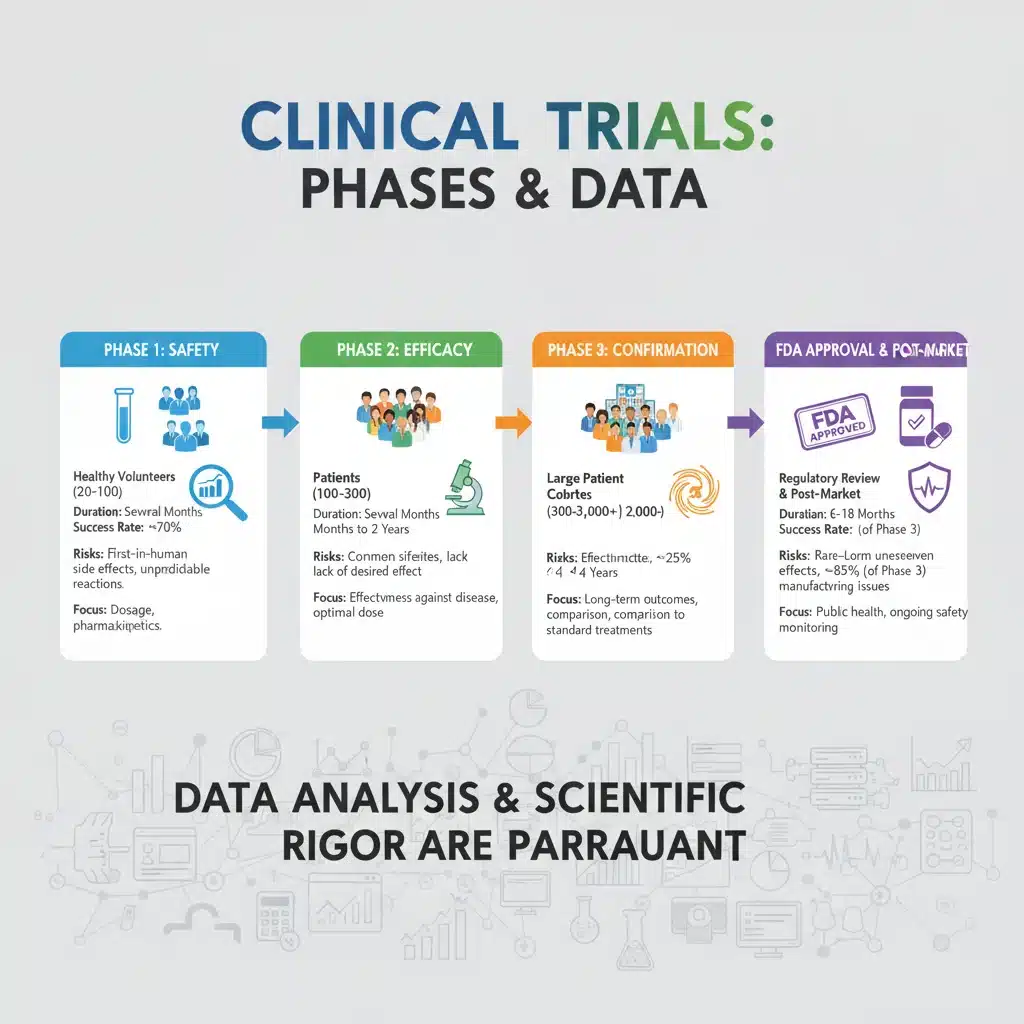
Understanding Clinical Trial Phases and Endpoints
Familiarize yourself with the objectives and common pitfalls of each clinical trial phase:
- Phase 1: Safety and Dosage. Small groups of healthy volunteers or patients. Key risk: unexpected toxicity.
- Phase 2: Efficacy and Safety. Larger patient groups. Key risk: lack of efficacy or unacceptable side effects. This is often called ‘the valley of death’ for drugs.
- Phase 3: Confirmation of Efficacy and Safety. Large, diverse patient populations. Key risk: failure to meet primary endpoints, unexpected rare side effects, or comparison to existing therapies.
Crucially, understand the **primary and secondary endpoints** of a trial. Is the primary endpoint clinically meaningful? Is it achievable? Be wary of companies that constantly shift endpoints or focus on secondary endpoints when primary ones fail.
Assessing Scientific Soundness and Mechanism of Action (MOA)
A strong scientific foundation is non-negotiable. Look for:
- Clear Mechanism of Action: Does the drug target a well-understood biological pathway? Is there strong pre-clinical evidence (in vitro, in vivo animal models) supporting its MOA?
- Distinguishing Features: How does the drug differentiate itself from existing treatments or competitors in development? Is it ‘best-in-class’ or ‘first-in-class’?
- Biomarkers: Does the company use biomarkers to identify responsive patient populations, potentially increasing trial success rates and reducing patient heterogeneity?
- Expert Opinion: Consult with scientific experts or read analyses from reputable biotech analysts who understand the underlying biology and clinical implications.
Evaluating Management Team and Clinical Operations
A brilliant scientific idea can fail with poor execution. Assess the management team’s experience, especially their track record in bringing drugs through clinical development and regulatory approval. Look for:
- Relevant Experience: Has the CEO, CSO, or CMO successfully navigated similar clinical programs before?
- Clinical Trial Design Expertise: Do they have a clear, robust, and statistically sound trial design?
- Financial Prudence: Are they managing capital effectively, or are they constantly raising money at dilutive valuations?
Scrutinizing Clinical Data Releases
When companies release data, look beyond the headlines:
- Statistical Significance: Is the data statistically significant (low p-value)?
- Clinical Significance: Does the observed effect size translate into a meaningful benefit for patients? A statistically significant but clinically irrelevant outcome is still a failure.
- Adverse Events: What is the safety profile? Are there any unexpected side effects, and how do they compare to existing treatments?
- Comparators: If the trial uses a comparator arm, is it an appropriate and relevant standard of care?
Never rely solely on company press releases; always seek out independent analysis and, if possible, review published data in peer-reviewed journals.
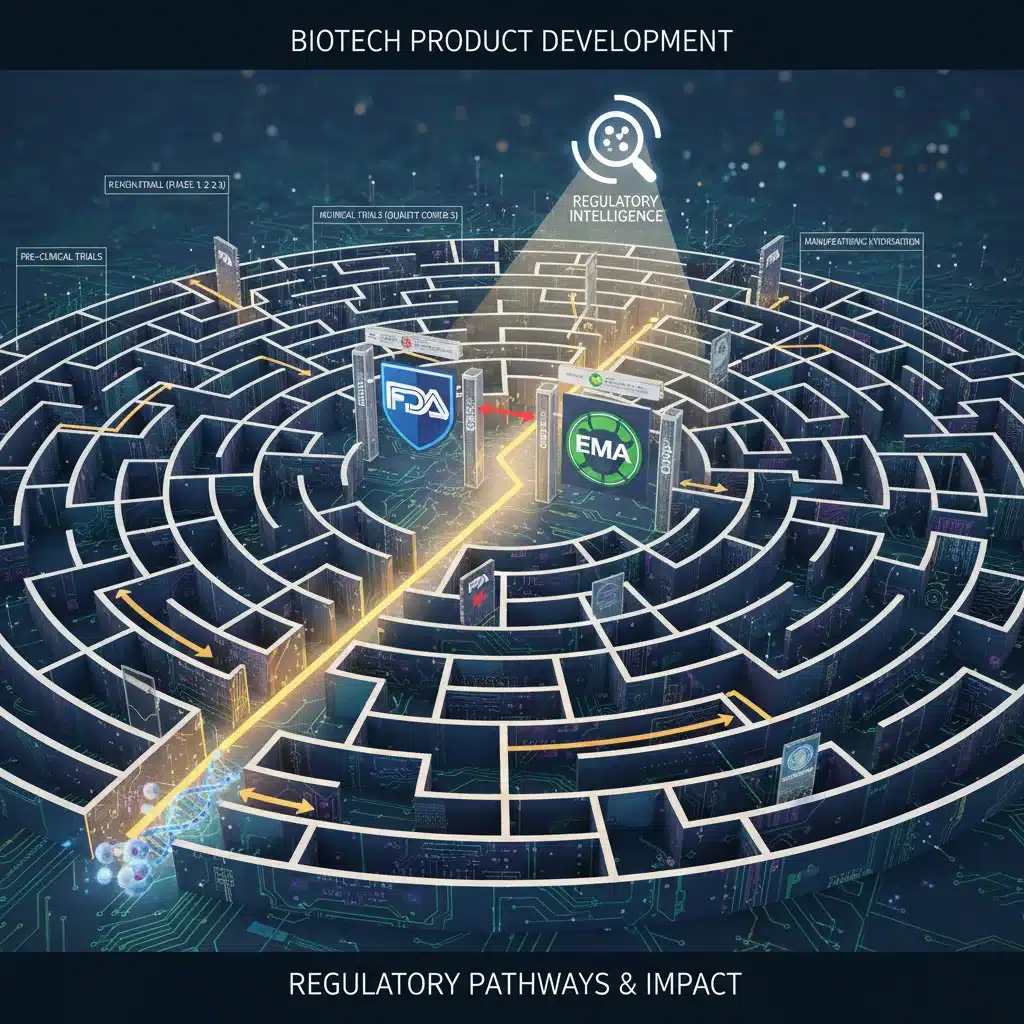
Strategy 3: Navigating the Regulatory Labyrinth and Market Access
Regulatory approval is the gateway to commercialization, and misunderstanding this complex process is a significant source of Biotech Portfolio Risk. Even a highly effective drug can fail if it doesn’t meet regulatory standards or if its market access strategy is flawed.
Understanding Regulatory Pathways and Requirements
Each major regulatory body (e.g., FDA in the US, EMA in Europe, PMDA in Japan) has specific requirements, review processes, and timelines. Key considerations include:
- Designations: Does the drug have Fast Track, Breakthrough Therapy, Orphan Drug, or other special designations? These can accelerate the review process but don’t guarantee approval.
- Advisory Committees: Will the drug be reviewed by an advisory committee? These public meetings can be highly influential, and their recommendations often guide the final decision.
- Post-Market Surveillance: What are the requirements for post-market studies or risk evaluation and mitigation strategies (REMS)?
- Global Harmonization: Is the company planning for global approvals, and are their trials designed to meet international standards?
Pay close attention to any communications from regulatory bodies, as they often provide clues about potential issues or areas of concern.
Assessing Market Potential and Commercialization Strategy
Approval is only half the battle; commercial success requires a robust market access strategy. Evaluate:
- Target Patient Population: How large is the target patient population? Is it well-defined and easily identifiable?
- Unmet Medical Need: Does the drug address a significant unmet medical need? This often correlates with higher pricing power and faster uptake.
- Competitive Landscape: Who are the competitors, both approved and in development? How does the drug compare in terms of efficacy, safety, and convenience?
- Pricing and Reimbursement: This is a growing challenge. Will the drug be affordable? Will insurance companies and national health systems reimburse for it? What is the company’s strategy for engaging with payers?
- Sales and Marketing Infrastructure: Does the company have the capabilities to commercialize the drug themselves, or will they need a marketing partner? A strong partnership can significantly reduce commercialization Biotech Portfolio Risk.
Intellectual Property (IP) Strength
A biotech company’s intellectual property is its most valuable asset. Thoroughly assess the strength and breadth of their patent portfolio. Key questions include:
- Patent Coverage: Does the company have strong patent protection for the compound itself, its manufacturing process, and its therapeutic uses?
- Patent Expiry: When do key patents expire? The loss of exclusivity can lead to generic competition and a steep decline in revenue.
- Freedom to Operate: Are there any potential IP disputes or challenges from competitors that could jeopardize the drug’s market entry?
Weak IP can expose a company to generic competition much earlier than anticipated, severely impacting its long-term profitability.
Strategy 4: Embracing Innovation While Mitigating Emerging Risks
The biotech sector is defined by innovation, but new technologies often come with new, unforeseen risks. Staying abreast of these developments and understanding their implications is vital for managing Biotech Portfolio Risk in 2026 and beyond.
Monitoring Technological Advancements and Disruptions
The biotech landscape is constantly evolving. Keep an eye on:
- Novel Modalities: Gene editing, AI in drug discovery, personalized medicine, and advanced cell therapies are rapidly changing the industry. Investing in companies at the forefront of these fields can offer significant upside, but also carries the risk of technological obsolescence or regulatory uncertainty.
- Digital Health Integration: How are biotech companies leveraging digital tools, AI, and big data to accelerate R&D, improve patient outcomes, or enhance commercialization?
- Platform Technologies: Some companies develop platforms (e.g., a novel antibody discovery platform) that can generate multiple drug candidates, potentially diversifying their own internal risk.
Understanding the potential for disruptive innovation both within your portfolio companies and from external competitors is crucial for anticipating future challenges and opportunities.
Addressing ESG Factors and Ethical Considerations
Environmental, Social, and Governance (ESG) factors are increasingly important for investors. In biotech, ethical considerations are particularly salient:
- Clinical Trial Ethics: Are trials conducted ethically, with informed consent and patient well-being as priorities?
- Access and Affordability: How will the company address the ethical imperative of making life-saving treatments accessible and affordable, especially in developing nations?
- Data Privacy: With personalized medicine and genetic data, how are patient privacy and data security being handled?
- Biomanufacturing Ethics: Are sustainable and ethical practices employed in the manufacturing processes?
Poor performance on ESG metrics can lead to reputational damage, regulatory scrutiny, and investor backlash, all of which contribute to Biotech Portfolio Risk.
Scenario Planning and Stress Testing
Given the binary nature of biotech outcomes, it’s prudent to engage in scenario planning:
- Clinical Trial Failure: What would be the impact on the portfolio if a key drug fails?
- Regulatory Delay/Rejection: How would a significant delay or rejection of an approval impact valuations?
- Competitive Entry: What if a competitor launches a superior product?
- Macroeconomic Headwinds: How would rising interest rates, a recession, or changes in healthcare policy affect the companies in your portfolio?
Stress testing your portfolio against these adverse scenarios can help you identify vulnerabilities and adjust your allocations proactively, thus managing your overall Biotech Portfolio Risk more effectively.
Conclusion: A Proactive Stance on Biotech Portfolio Risk in 2026
The biotechnology sector offers unparalleled opportunities for investors willing to engage with its complexities. However, success is not accidental; it is the result of diligent research, strategic planning, and a deep understanding of the inherent risks. By implementing the four essential strategies discussed – robust diversification, rigorous clinical trial due diligence, expert navigation of regulatory and market access pathways, and embracing innovation while mitigating emerging risks – investors can significantly enhance their chances of success.
As we move into 2026, the biotech landscape will continue to evolve at a blistering pace. New scientific breakthroughs will emerge, regulatory paradigms may shift, and market dynamics will adapt. A proactive and adaptive approach to Biotech Portfolio Risk management is not merely a defensive measure; it is an offensive strategy that positions investors to capitalize on the sector’s transformative potential while safeguarding their capital. By integrating these strategies into your investment framework, you can build a resilient and rewarding biotech portfolio for the future.