Decoding Biotech Compensation Packages: US Salary Guide 2026

The US biotech sector in 2026 presents diverse and competitive biotech compensation packages, influenced by advanced research, market demand, and strategic talent acquisition across various roles and company stages.
The biotech industry in the United States continues its remarkable trajectory of innovation and growth. For professionals eyeing this dynamic sector, or those already immersed in it, understanding the evolving landscape of biotech compensation packages for 2026 is not just beneficial, but essential. This guide delves into the financial intricacies, trends, and factors shaping what individuals can expect to earn in this cutting-edge field, offering a critical perspective on the financial impact of a career in biotech.
Understanding the Biotech Landscape in 2026
The biotech industry is characterized by rapid scientific advancements, significant investment, and an ever-present demand for specialized talent. As we look towards 2026, several key trends are shaping the compensation structures within this sector, driven by breakthroughs in areas like gene editing, personalized medicine, and AI-driven drug discovery. These innovations not only create new job roles but also elevate the value of existing expertise.
The competitive nature of the biotech job market means companies are constantly striving to attract and retain top talent. This competition often translates into more attractive compensation packages, extending beyond base salaries to include a variety of incentives. Understanding these nuances is crucial for both job seekers and employers aiming to remain competitive.
Key Growth Areas Impacting Salaries
- Gene Therapies and CRISPR: The explosive growth in gene therapy and gene-editing technologies has created a high demand for skilled researchers, scientists, and clinical development professionals, often commanding premium salaries due to specialized expertise.
- AI and Machine Learning in Drug Discovery: Integration of artificial intelligence and machine learning in drug discovery processes requires a blend of computational science and biology skills, driving up compensation for those with interdisciplinary backgrounds.
- Personalized Medicine: The shift towards personalized treatments, enabled by genomic sequencing and biomarker identification, fuels demand for experts in bioinformatics, clinical genomics, and patient stratification.
These growth areas are not only expanding the industry but also redefining the skills most valued by employers. As such, professionals with expertise in these cutting-edge fields can expect to see the most favorable compensation trends. The overall outlook for biotech compensation packages remains strong, reflecting the industry’s critical role in healthcare innovation.
Components of a Biotech Compensation Package
A typical biotech compensation package in 2026 is far more intricate than just a basic salary. It’s a multi-faceted structure designed to reward performance, incentivize long-term commitment, and align employee interests with company success. Understanding each component is vital for evaluating the true value of an offer.
These packages are often tailored to the role, seniority, and the company’s stage of development, from early-stage startups to established pharmaceutical giants. The blend of cash, equity, and benefits aims to create a compelling offer that attracts and retains high-caliber professionals in a competitive market.
Base Salary: The Foundation
The base salary forms the core of any compensation package. In biotech, this figure varies significantly based on factors such as: experience level, educational background (Ph.D., Master’s, Bachelor’s), specific technical skills, geographic location (e.g., Boston, San Francisco Bay Area, San Diego), and the size and stage of the company. For example, a research scientist with a Ph.D. in a major biotech hub will command a substantially higher base salary than an entry-level technician in a smaller market.
Industry benchmarks and annual salary surveys play a significant role in determining competitive base salaries. Companies regularly analyze these data points to ensure their offers remain attractive, especially for roles in high demand. The continuous evolution of specialized skills means that professionals who keep their expertise current often see their base salaries rise more quickly.
Incentive Structures: Bonuses and Equity
Beyond the base salary, incentive structures are a powerful tool for motivating employees and tying their performance to the company’s success. These often include annual bonuses and equity compensation.
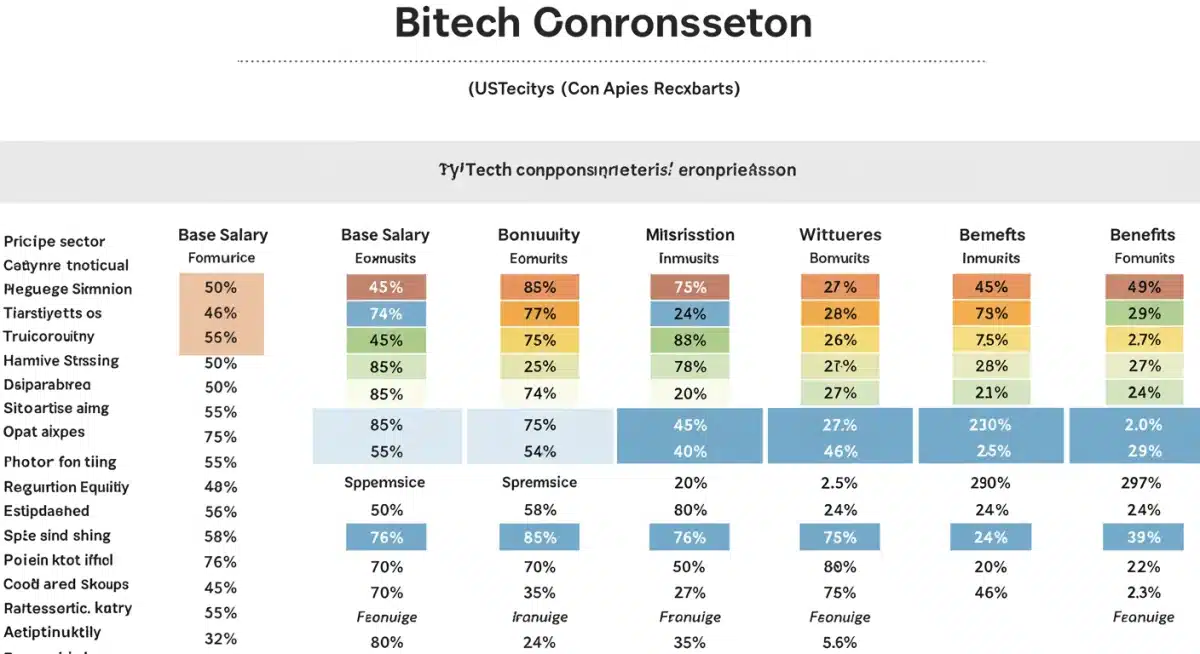

- Performance Bonuses: These are typically tied to individual, team, or company performance metrics. For scientists, this might involve achieving research milestones; for sales roles, it could be exceeding revenue targets. Bonuses can significantly augment annual earnings.
- Equity Compensation: Often in the form of stock options, restricted stock units (RSUs), or phantom stock, equity is particularly prevalent in smaller, pre-IPO biotech companies. It offers employees a direct stake in the company’s future success, with the potential for substantial financial gains if the company performs well or goes public.
Equity is a critical component, especially for senior roles and those in startups, as it offers a long-term incentive that can far outweigh the annual cash components. However, it also comes with inherent risks, as its value is tied to the company’s market performance.
Benefits and Perks
Comprehensive benefits packages are another cornerstone of biotech compensation. These are designed to support employee well-being and financial security.
- Health and Wellness: Top-tier health, dental, and vision insurance are standard. Many companies also offer wellness programs, mental health support, and flexible spending accounts.
- Retirement Plans: 401(k) plans with employer matching contributions are common, helping employees save for retirement.
- Paid Time Off: Generous vacation, sick leave, and parental leave policies are increasingly important for attracting and retaining talent.
- Professional Development: Tuition reimbursement, conference attendance, and access to cutting-edge training are frequently offered, reflecting the industry’s emphasis on continuous learning and skill development.
Beyond these, perks like on-site gyms, subsidized meals, transportation allowances, and even company-sponsored social events contribute to the overall value proposition. These non-cash benefits often play a significant role in an employee’s decision-making process, showcasing a company’s commitment to its workforce.
Salary Trends by Role and Experience Level
The biotech industry offers a vast array of roles, each with distinct salary expectations influenced by specialization, demand, and required expertise. From entry-level positions to executive leadership, compensation structures reflect the complexity and impact of the work performed. Analyzing these trends provides a clearer picture of earning potential across the sector.
The competitive landscape means that roles requiring highly specialized skills, particularly in emerging fields, tend to command higher salaries. Furthermore, geographical location plays a significant role, with major biotech hubs offering more competitive compensation due to higher living costs and intense talent competition.
Entry-Level to Mid-Career Roles
For those just starting in biotech, or with a few years of experience, roles like Research Associate, Lab Technician, or Junior Scientist form the backbone of many organizations. Salaries in these positions typically range from $60,000 to $90,000, depending on the specific role, educational background (Bachelor’s or Master’s), and location. Opportunities for growth and increased compensation are substantial with continued skill development and experience.
Mid-career professionals, such as Senior Scientists, Project Managers, or Clinical Research Associates, often see a significant jump in their biotech compensation packages. With 5-10 years of experience, salaries can range from $90,000 to $150,000, often supplemented by performance bonuses and, in some cases, modest equity participation. These roles typically involve greater responsibility, leadership, and specialized expertise, justifying the higher pay scales.
Senior and Executive Positions
Senior-level roles, including Principal Scientists, Directors of Research and Development, or Clinical Operations Directors, command salaries upwards of $150,000, frequently reaching $250,000 or more. At this stage, compensation packages heavily feature substantial bonuses and significant equity stakes, reflecting the critical impact these individuals have on company strategy and success. Leadership experience, a proven track record of innovation, and the ability to manage complex projects are key drivers of compensation at this level.
Executive positions, such as Chief Scientific Officer (CSO), Chief Medical Officer (CMO), or CEO, lead the compensation spectrum. Their total compensation can easily exceed $300,000, often reaching seven figures when factoring in substantial equity grants, long-term incentive plans, and performance-based bonuses. These roles are pivotal to the company’s direction and are compensated accordingly, with packages designed to align executives’ financial interests directly with shareholder value.
Geographic Impact on Biotech Salaries
The physical location of a biotech company or professional significantly influences salary levels. Major biotech hubs in the U.S. tend to offer higher compensation due to a concentration of companies, a deeper talent pool, and often a higher cost of living. Understanding these regional variations is crucial for both job seekers and companies when assessing competitive compensation.
These geographical disparities are not solely about cost of living; they also reflect the intensity of competition for talent and the maturity of the biotech ecosystem in a given area. Regions with a long history of biotech innovation often have more established companies and a greater demand for highly specialized skills, pushing salaries upward.
Leading Biotech Hubs and Their Premiums
The San Francisco Bay Area, Boston/Cambridge, and San Diego are consistently recognized as the top three biotech clusters in the U.S. These regions boast a high density of startups, established pharmaceutical companies, and academic research institutions, creating a vibrant and competitive job market. Professionals in these areas can expect to see compensation packages that are 15-30% higher than the national average for similar roles.
- San Francisco Bay Area: Home to pioneering companies in genomics and digital health, salaries here are among the highest, often reflecting the region’s elevated cost of living and fierce talent competition.
- Boston/Cambridge: A global epicenter for biopharmaceutical research and development, this area offers robust compensation driven by a strong academic-industry interface and a constant demand for scientific talent.
- San Diego: Known for its strengths in genomics, proteomics, and medical devices, San Diego presents competitive salaries, attracting professionals seeking both innovation and a desirable lifestyle.
These hubs benefit from a rich ecosystem of venture capital, specialized infrastructure, and a highly skilled workforce, all contributing to elevated compensation benchmarks. Companies in these regions must offer premium biotech compensation packages to attract and retain the best talent.
Emerging Biotech Clusters
While the established hubs dominate, several emerging biotech clusters are gaining traction and offering increasingly competitive salaries. These include Raleigh-Durham (North Carolina), Seattle (Washington), Philadelphia (Pennsylvania), and areas within Texas. While salaries in these regions might not match the peaks of California or Massachusetts, they often offer a better cost-of-living to salary ratio, making them attractive alternatives.
For example, the Research Triangle Park in North Carolina has become a significant hub for contract research organizations (CROs) and pharmaceutical manufacturing, leading to a steady increase in demand for biotech professionals and, consequently, their compensation. These emerging clusters are often supported by strong academic institutions and state-level initiatives aimed at fostering biotech growth, creating new opportunities for professionals seeking a balance between career advancement and quality of life.
Negotiating Your Biotech Compensation Package
Navigating the negotiation process for a biotech compensation package requires strategic preparation and a clear understanding of your value in the market. It’s not just about asking for more; it’s about presenting a compelling case that aligns with industry standards and your unique contributions. Effective negotiation can significantly impact your long-term financial well-being.
Many professionals shy away from negotiation, but in a field as competitive as biotech, it’s an expected part of the hiring process. Companies often leave room for negotiation, especially for highly sought-after skills and experience. Approaching negotiations with confidence and data can yield substantial benefits.
Research and Preparation
- Know Your Worth: Utilize salary guides, industry reports, and professional networks to understand the market rate for your specific role, experience level, and geographic location. Websites like Glassdoor, LinkedIn, and specialized biotech salary surveys can provide valuable data.
- Highlight Your Unique Skills: Identify and articulate your specialized skills, certifications, and experiences that are particularly valuable to the hiring company. If you possess expertise in a niche area like gene editing or AI in drug discovery, emphasize this to justify a higher compensation.
- Understand the Full Package: Don’t just focus on the base salary. Consider the total compensation, including bonuses, equity, and benefits. Be prepared to discuss each component and how it meets your financial and professional goals.
Thorough preparation empowers you with the confidence to negotiate effectively. Knowing what similar roles pay and what your specific skills bring to the table allows you to present a well-reasoned argument for your desired compensation. This foundational work is critical before entering any negotiation discussion.
Effective Negotiation Strategies
When the time comes to negotiate, a few strategies can help you achieve a more favorable outcome:
- Be Confident but Flexible: Present your desired compensation range with confidence, but also demonstrate flexibility. Be open to discussing different combinations of base salary, bonus, and equity that meet your overall financial goals.
- Document Everything: Keep a clear record of all communication regarding compensation. This includes written offers, emails, and notes from phone conversations. This documentation can be crucial if there are any misunderstandings later on.
- Consider the Long-Term: For early-stage companies, a lower base salary might be offset by a more significant equity stake, offering greater long-term potential. Evaluate the company’s growth prospects and your risk tolerance.
Remember that negotiation is a conversation, not a confrontation. A collaborative approach, focused on finding a mutually beneficial agreement, is often the most successful. By being prepared, confident, and strategic, you can significantly enhance your biotech compensation packages.
Future Outlook and Financial Impact
The trajectory of biotech compensation packages in the U.S. for 2026 and beyond is poised for continued growth and evolution. Several macro and microeconomic factors, coupled with ongoing scientific breakthroughs, will shape how professionals are valued and rewarded in this critical industry. Understanding these future trends is vital for long-term career planning and financial stability.
The industry’s resilience and its essential role in global health mean that demand for skilled professionals will likely remain high. However, the specific areas of growth and the associated compensation premiums will continue to shift as new technologies emerge and market needs evolve.
AI, Automation, and Specialized Skills
The increasing integration of artificial intelligence, machine learning, and automation across all facets of biotech will significantly impact compensation. Roles that involve developing, implementing, or managing these advanced technologies will command premium salaries. This includes data scientists, AI engineers with biological expertise, and automation specialists.
Conversely, routine laboratory tasks may see flat or slower salary growth as automation reduces the demand for purely manual labor. The emphasis will be on skills that complement AI—critical thinking, problem-solving, experimental design, and data interpretation. Professionals who proactively upskill in these areas will be best positioned for career advancement and higher earning potential.
Investment Trends and Market Dynamics
Venture capital and private equity investment in biotech remain robust, particularly for companies focused on disruptive technologies and unmet medical needs. This sustained investment fuels company growth, job creation, and competitive compensation. However, market volatility and economic shifts can influence funding rounds and, consequently, the ability of companies to offer generous packages, especially for early-stage startups.
The trend towards larger, more diversified biotech companies, as well as strategic acquisitions, will also influence compensation. Mergers and acquisitions can lead to consolidation but also create new opportunities and standardized compensation practices across larger entities. The overall market dynamics will continue to create both opportunities and challenges for professionals seeking optimal biotech compensation packages.
Maximizing Your Compensation in Biotech
Securing a competitive compensation package in the biotech sector requires a proactive and strategic approach. It’s about continuously enhancing your value, understanding market dynamics, and effectively communicating your contributions. By focusing on key areas, professionals can significantly boost their earning potential and career trajectory.
The biotech industry rewards continuous learning and adaptation. Staying ahead of scientific and technological trends is paramount. Beyond technical skills, developing soft skills like leadership, communication, and project management also plays a crucial role in career advancement and, by extension, compensation growth.
Continuous Learning and Skill Development
- Advanced Degrees and Certifications: Pursuing a Ph.D. or a specialized Master’s degree can open doors to higher-paying research and leadership roles. Certifications in areas like regulatory affairs, clinical trials management, or specific bioinformatics tools also add significant value.
- Staying Current with Technologies: Actively learning about and gaining experience in emerging technologies like CRISPR, AI in drug discovery, or advanced cell and gene therapy techniques makes you a more valuable asset. Attend workshops, webinars, and industry conferences to keep your knowledge up-to-date.
- Interdisciplinary Expertise: Developing a blend of scientific and business acumen, or scientific and computational skills, is highly sought after. These interdisciplinary profiles often command premium salaries due to their versatility and strategic value.
Companies are willing to pay more for professionals who bring a unique and specialized skill set that directly addresses their strategic needs. Therefore, continuously refining and expanding your expertise is a direct path to higher earnings.
Networking and Visibility
Building a strong professional network and increasing your visibility within the biotech community can unlock numerous opportunities for career advancement and better compensation. Networking allows you to learn about unadvertised positions, glean insights into compensation trends, and secure referrals.
- Industry Conferences and Events: Attending major biotech conferences provides unparalleled networking opportunities with peers, potential employers, and industry leaders. Presenting your research or participating in panel discussions further enhances your visibility.
- Professional Organizations: Joining and actively participating in professional biotech associations can expand your network and provide access to exclusive job boards and development resources.
- Online Presence: Maintaining a professional LinkedIn profile that highlights your achievements, skills, and areas of expertise is essential. Engaging in industry discussions and sharing insights can also boost your professional profile.
A strong network not only helps in finding new roles but also in understanding your market value, which is crucial for negotiating competitive biotech compensation packages. Being known in the industry for your expertise and contributions can lead to unsolicited offers and opportunities that might not be publicly advertised.
| Key Aspect | Brief Description |
|---|---|
| Compensation Components | Base salary, bonuses, equity, and comprehensive benefits form the core of biotech packages. |
| Salary Trends by Role | Compensation varies significantly from entry-level to executive, with specialized skills commanding higher pay. |
| Geographic Impact | Major US biotech hubs offer higher salaries due to competition and cost of living. |
| Maximizing Compensation | Continuous learning, skill development, and strong networking are key strategies. |
Frequently Asked Questions About Biotech Pay
Biotech compensation packages in 2026 typically include a base salary, performance-based bonuses, equity compensation (stock options or RSUs), and a comprehensive benefits package. Benefits often cover health insurance, retirement plans, and professional development opportunities, all designed to attract and retain top talent.
Geographic location significantly impacts biotech salaries. Major hubs like the San Francisco Bay Area, Boston/Cambridge, and San Diego offer higher compensation, often 15-30% above the national average. This is due to a higher concentration of companies, intense competition for talent, and a generally higher cost of living in these regions.
Skills in high demand that lead to higher biotech compensation include expertise in gene editing (CRISPR), AI and machine learning in drug discovery, personalized medicine, bioinformatics, and advanced cell and gene therapies. Interdisciplinary skills combining science with computational or business acumen are also highly valued.
Yes, equity compensation, often in the form of stock options or RSUs, is very common in biotech, particularly within startups and early-stage companies. It serves as a powerful incentive, aligning employee interests with the company’s long-term success and offering the potential for significant financial gains if the company grows or goes public.
To negotiate a better biotech compensation package, professionals should research market rates for their role and location, highlight their unique and in-demand skills, and understand the full value of the offer beyond just base salary. Confidence, flexibility, and a clear understanding of your worth are key to successful negotiation.
Conclusion
As we navigate towards 2026, the landscape of biotech compensation packages in the U.S. continues to be dynamic and highly competitive. Driven by relentless innovation, strategic investments, and a constant demand for specialized talent, the industry offers lucrative opportunities for professionals at all career stages. Understanding the intricate components of these packages, from base salaries and performance incentives to equity and comprehensive benefits, is paramount for both attracting and retaining top-tier individuals. By staying abreast of market trends, continuously developing in-demand skills, and engaging in strategic negotiation, professionals can effectively maximize their earning potential and contribute significantly to the advancement of this vital sector. The financial impact of a career in biotech remains profoundly positive, reflecting the industry’s crucial role in shaping the future of health and medicine.