Biotech Salary Negotiation: Boost Your Pay 15% by 2026

In the dynamic and rapidly expanding world of biotechnology, securing a competitive salary is not merely about receiving fair compensation; it’s about recognizing your value, strategizing your career trajectory, and ensuring long-term financial stability. For US professionals in this cutting-edge field, the prospect of boosting your biotech salary by 15% or more by 2026 is not just an ambitious goal but an achievable reality with the right approach. This comprehensive guide will equip you with proven strategies, critical insights, and actionable steps to navigate the complex landscape of biotech salary negotiation, ultimately leading to significant financial impact.
The biotechnology sector is characterized by intense innovation, high demand for specialized skills, and substantial investment. This environment creates fertile ground for professionals to command higher salaries, especially those who can demonstrate unique expertise and deliver tangible results. However, many biotech professionals, often driven by scientific passion, may overlook the strategic elements of salary negotiation, leaving potential earnings on the table. Our focus here is to bridge that gap, empowering you to approach salary discussions with confidence, armed with data, and a clear understanding of your worth.
By 2026, the biotech industry is projected to continue its robust growth, fueled by advancements in gene editing, personalized medicine, biomanufacturing, and AI integration. This growth translates into increased opportunities and, crucially, increased leverage for skilled professionals. Understanding these market dynamics is the first step toward a successful biotech salary negotiation. This article delves deep into market research, skill development, personal branding, and the art of negotiation itself, providing a holistic framework for maximizing your earning potential.
Understanding the Biotech Salary Landscape in the US
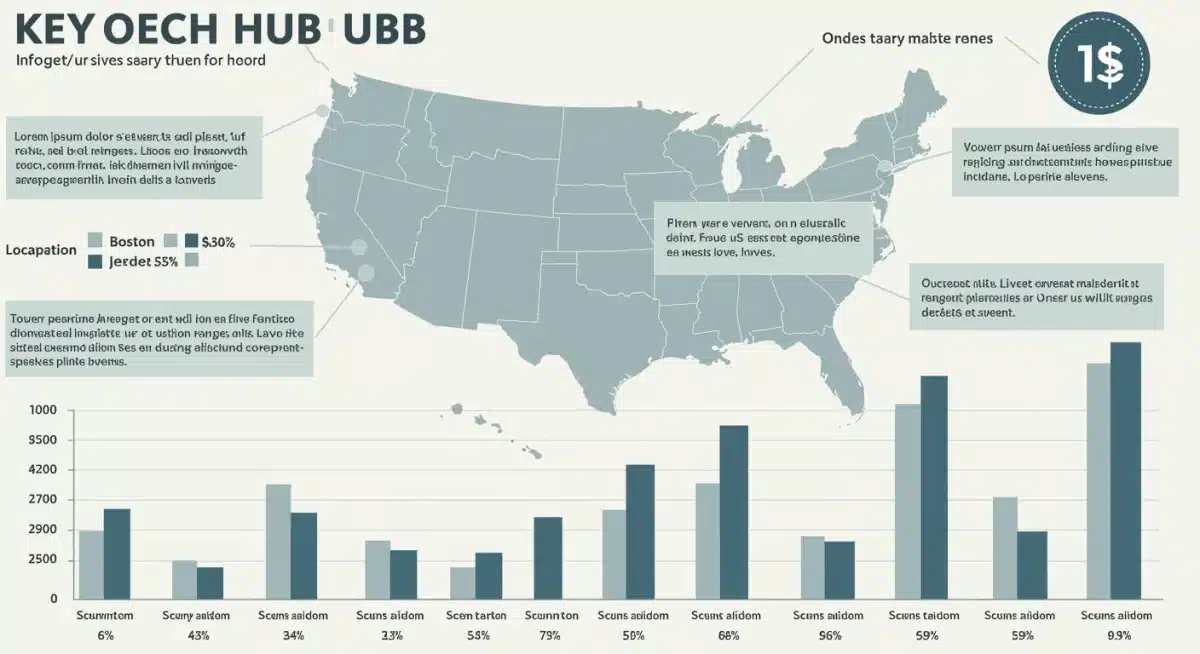
Before you can effectively negotiate, you must first understand the current biotech salary landscape. The US biotech market is highly diverse, with significant variations in compensation based on location, role, company size, and specific skill sets. Major biotech hubs like Boston/Cambridge, the San Francisco Bay Area, and San Diego consistently offer higher salaries due to a concentration of companies, talent, and venture capital. However, emerging hubs are also growing, offering competitive packages.
Geographical Impact on Biotech Salaries
Location is perhaps one of the most significant determinants of a biotech professional’s salary. For instance, a Senior Research Scientist in Boston might command a salary 20-30% higher than their counterpart in a less established biotech region, even with similar experience and qualifications. This is primarily due to the higher cost of living and intense competition for talent in these areas. When considering your biotech salary negotiation, research salaries specific to your desired geographical location.
- Boston/Cambridge, MA: A global leader, known for its pharmaceutical giants, startups, and academic research institutions. Salaries are consistently among the highest.
- San Francisco Bay Area, CA: Another powerhouse, particularly strong in genomics, bioinformatics, and digital health. High demand drives high compensation.
- San Diego, CA: A hub for diagnostics, medical devices, and genomics, offering competitive salaries, albeit often slightly lower than the top two.
- Raleigh-Durham, NC (Research Triangle Park): An emerging hub with a strong academic foundation and growing biotech presence, offering a good balance of career opportunities and a more moderate cost of living.
- Seattle, WA: Strong in immunology, oncology, and computational biology, with a burgeoning biotech scene.
Role and Experience Level
The type of role you hold and your years of experience also play a crucial role in your biotech salary. Entry-level positions (e.g., Research Associate, Lab Technician) will naturally have lower starting salaries, while senior leadership roles (e.g., Director of R&D, VP of Clinical Operations) command six-figure salaries, often with extensive bonus structures and equity. Specialized roles, such as computational biologists, biostatisticians, and regulatory affairs specialists, are in high demand and often receive premium compensation due to their niche expertise.
For example, a typical salary progression might look like this:
- Entry-Level (0-2 years): $60,000 – $85,000
- Mid-Level (3-7 years): $85,000 – $130,000
- Senior-Level (8-15 years):: $130,000 – $200,000+
- Leadership/Executive (15+ years): $200,000 – $400,000+ (often including significant equity/bonuses)
Company Size and Type
The size and type of company also influence biotech salary. Large, established pharmaceutical companies often offer more structured compensation packages, robust benefits, and greater stability. Smaller biotech startups, while potentially offering lower base salaries, might provide significant equity, which can lead to substantial financial gains if the company succeeds. Understanding the risk-reward profile of different company types is vital for your biotech salary negotiation strategy.
Strategic Market Research: Your Foundation for Biotech Salary Negotiation
Effective biotech salary negotiation begins with thorough market research. You cannot ask for what you deserve if you don’t know what that is. This involves leveraging various resources to understand prevailing salary ranges for your role, experience level, and geographic location. Aim for a 15% increase, but be prepared to justify it with data.
Utilizing Salary Data Platforms
Several online platforms provide valuable salary data. These should be your first stop:
- Glassdoor, LinkedIn Salary, Indeed, Salary.com: These sites aggregate self-reported salary data and often provide ranges based on job title, location, and company.
- BioSpace, Fierce Biotech: Industry-specific job boards and news sites often publish salary reports or have sections dedicated to compensation trends within biotech.
- CompTIA, Radford: These are professional compensation survey providers often used by companies themselves. While direct access might be limited, their aggregated reports can be found through industry analyses.
- Professional Associations: Organizations like BIO (Biotechnology Innovation Organization) or specific scientific societies may conduct salary surveys for their members.
Networking and Informational Interviews
Beyond aggregated data, direct insights from your professional network are invaluable. Conduct informational interviews with individuals in similar roles at different companies. While directly asking about their salary might be impolite, you can phrase questions to gather compensation insights:
- “What’s the typical salary range for a [Your Role] with [Your Experience] in this area?”
- “What are the key factors that influence compensation for roles like mine at your company?”
- “What kind of benefits package is standard for someone in this position?”
Analyzing Job Descriptions
Pay close attention to salary ranges mentioned in job descriptions, even if they are broad. These provide a baseline. More importantly, analyze the required skills and experience. If you possess all or most of the ‘preferred’ qualifications, you have stronger leverage for a higher biotech salary.
Enhancing Your Value: Skills and Experience for a Higher Biotech Salary
To justify a 15% (or more) increase in your biotech salary, you need to continuously enhance your value proposition. This means not just performing your job but actively seeking opportunities for growth, skill development, and demonstrating tangible impact.
Acquiring In-Demand Skills
The biotech industry is constantly evolving. Staying current with the latest technologies and methodologies is critical. Consider:
- Bioinformatics and Data Science: Proficiency in programming languages (Python, R), statistical analysis, and machine learning is highly valued across all biotech sub-sectors.
- CRISPR and Gene Editing Technologies: Expertise in these revolutionary techniques is a major differentiator.
- Advanced Analytical Techniques: Mass spectrometry, next-generation sequencing (NGS), flow cytometry, and advanced imaging.
- Regulatory Affairs and Quality Assurance: Understanding the complex regulatory landscape (FDA, EMA) is crucial for product development and commercialization.
- Project Management: The ability to lead complex scientific projects from conception to completion.
Demonstrating Impact and Achievements
When negotiating your biotech salary, don’t just list your responsibilities; quantify your achievements. How have you:
- Accelerated project timelines?
- Reduced costs or increased efficiency?
- Contributed to successful grant applications or patent filings?
- Published papers or presented at conferences?
- Mentored junior colleagues or led successful teams?
Keep a running log of your accomplishments. This ‘achievement resume’ will be your most potent weapon during biotech salary negotiation.
Further Education and Certifications
Consider advanced degrees (Master’s, Ph.D., MBA) or specialized certifications. An MBA, for instance, can be particularly valuable for scientists looking to move into management or business development roles, significantly impacting their biotech salary potential. Project management certifications (PMP) or regulatory affairs certifications (RAC) also add considerable value.
The Art of Biotech Salary Negotiation: Proven Strategies
Once you’ve done your research and enhanced your value, it’s time to put your biotech salary negotiation skills to the test. This is where many professionals falter, often due to discomfort with discussing money. Remember, negotiation is a standard part of the hiring process; companies expect it.
Timing is Everything
The best time to negotiate is after you have received a job offer, but before you formally accept. At this stage, the company has invested significant time and resources in you and is keen to bring you on board. Never discuss salary expectations too early in the process unless directly asked, and even then, try to provide a range or defer until you have more information about the role’s full scope.
Always Let Them Make the First Offer
This is a golden rule in biotech salary negotiation. The party that names a number first often loses leverage. If pressed, you can say something like, “Based on my research and the value I bring, I’m looking for a compensation package that reflects market rates for a role of this scope and my experience level. I’m excited to hear what you believe is a fair offer.”
Anchor High, But Realistically
Once they make an offer, if it’s below your target, counter with a figure higher than your ideal 15% increase, but still within the realistic market range you’ve identified. For example, if your current salary is $100,000 and you’re aiming for $115,000 (a 15% boost), you might counter with $120,000-$125,000. This leaves room for negotiation and allows you to land closer to your target.
Justify Your Counteroffer with Data and Value
This is where your market research and achievement log come into play. Don’t just state a higher number; explain why you deserve it. “Based on my extensive experience in [specific skill], my proven track record of [quantifiable achievement], and market data indicating that professionals with my expertise in [your region] command salaries in the range of [your researched range], I believe a base salary of [your counteroffer] would be more aligned with my contributions and value to the team.”
Negotiate the Entire Compensation Package
A biotech salary is just one component of your total compensation. Look beyond the base salary. Consider:
- Sign-on Bonus: Especially useful if you’re taking a pay cut or forfeiting a bonus from your previous role.
- Annual Bonus/Performance Incentives: Understand the metrics and potential payout.
- Equity/Stock Options: Crucial in startups and growing companies. Understand vesting schedules and potential value.
- Benefits: Health insurance (premiums, deductibles), retirement plans (401k match), paid time off, parental leave, disability insurance.
- Professional Development: Tuition reimbursement, conference attendance, certification costs.
- Work-Life Balance: Remote work options, flexible hours, commute assistance.
Sometimes, if the base salary cannot be increased further, other components of the package can be improved to meet your financial goals.

Overcoming Challenges in Biotech Salary Negotiation
Negotiation can be daunting, and you might encounter several challenges. Being prepared for these can significantly improve your chances of a successful biotech salary negotiation.
Dealing with Lowball Offers
If the initial offer is significantly below your expectations, don’t react emotionally. Reiterate your value, present your research, and express your enthusiasm for the role while clearly stating your desired compensation. “While I’m very excited about this opportunity, the proposed base salary is lower than what I’m seeking, given my experience and the market rate for this position. I was expecting a range closer to [your desired range].”
Handling the ‘What are your salary expectations?’ Question
As mentioned, try to defer. If pressed, provide a broad, well-researched range that includes your target, making sure to preface it with “Based on the responsibilities described and my qualifications…” or “My compensation expectations are in the range of [X-Y] for total compensation, depending on the full scope of benefits.”
When to Walk Away
Sometimes, despite your best efforts, a company may not meet your reasonable expectations. Know your walk-away point. Accepting an offer that significantly undervalues you can lead to dissatisfaction and early departure. Having other options (even if they are just potential leads) gives you more power.
Practicing Your Pitch
Rehearse your biotech salary negotiation points. Practice what you’ll say, how you’ll present your value, and how you’ll respond to common objections. Confidence comes from preparation.
Long-Term Financial Impact of a 15% Biotech Salary Increase
A 15% increase in your biotech salary by 2026 isn’t just a number; it has a profound long-term financial impact. Let’s consider a hypothetical example:
Assume your current salary is $100,000. A 15% increase brings it to $115,000. Over a 30-year career, assuming a modest 3% annual raise, the compounding effect is substantial:
- Starting at $100,000: Your salary at retirement could be significantly lower than if you started at $115,000.
- Additional Savings/Investments: That extra $15,000 per year (pre-tax) can be invested. If you invest it annually at an average 7% return, after 30 years, that initial $15,000 annual boost could translate into hundreds of thousands of dollars in additional wealth.
- Improved Quality of Life: Higher disposable income allows for better housing, education, healthcare, and leisure, reducing financial stress.
- Future Negotiation Leverage: Each subsequent salary negotiation will be based on a higher starting point, creating a virtuous cycle of increased earnings.
This financial impact underscores why proactive biotech salary negotiation is not just an option but a critical component of your overall career and financial planning strategy.
Building Your Personal Brand and Network for Future Biotech Salary Growth
Beyond immediate negotiation, cultivate a strong personal brand and network within the biotech industry. This is a continuous process that pays dividends throughout your career, paving the way for future biotech salary increases and opportunities.
Thought Leadership and Industry Presence
Become a recognized expert in your niche. This can involve:
- Presenting at industry conferences.
- Publishing articles or white papers.
- Contributing to industry forums or online communities.
- Maintaining an active and professional LinkedIn profile, sharing insights and engaging with relevant content.
When you are seen as a thought leader, companies will actively seek you out, giving you significant leverage in biotech salary negotiations.
Mentorship and Sponsorship
Seek out mentors who can guide your career and sponsors who can advocate for you in leadership circles. These relationships can open doors to higher-level positions and significantly impact your earning potential. Conversely, mentoring others can also enhance your leadership skills and reputation.
Continuous Learning and Adaptability
The biotech landscape changes rapidly. Make a commitment to continuous learning. This doesn’t always mean formal education; it can be through online courses, workshops, webinars, and staying abreast of scientific literature. Adaptability to new technologies and scientific paradigms is a highly valued trait.
Conclusion: Take Control of Your Biotech Financial Future
Boosting your biotech salary by 15% or more by 2026 is an ambitious yet entirely attainable goal for US professionals. It requires a combination of meticulous preparation, strategic skill development, robust market research, and confident negotiation. By understanding the intricacies of the biotech salary landscape, continuously enhancing your value, and mastering the art of negotiation, you can significantly impact your financial well-being and career trajectory.
Remember, your skills and expertise are valuable commodities in the innovative and high-growth biotechnology sector. Don’t shy away from advocating for your worth. Arm yourself with data, articulate your achievements, and approach every biotech salary negotiation as a strategic discussion about the value you bring to the table. By doing so, you’re not just securing a better paycheck; you’re investing in a more prosperous and fulfilling future in biotech.
Start today. Research your market, identify skill gaps, quantify your achievements, and practice your pitch. The financial impact of a successful biotech salary negotiation in 2026 will be a testament to your proactive approach and strategic career management. Your future self, and your bank account, will thank you.