2025 Biotech Patent Cliff: US Pharma Investment Hazards & Opportunities

The 2025 biotech patent cliff will significantly reshape the US pharmaceutical landscape, challenging established companies as blockbuster drugs lose exclusivity while simultaneously creating substantial investment opportunities in innovative biotechs and novel therapeutic areas.
The year 2025 looms large on the horizon for the pharmaceutical industry, particularly in the United States. It marks a pivotal moment often referred to as the 2025 biotech patent cliff, a period where numerous blockbuster drugs are set to lose their patent protection. This impending wave of patent expirations will undoubtedly introduce significant investment hazards, but it will also unlock unprecedented opportunities for those prepared to navigate the evolving landscape of US pharma.
Understanding the 2025 Biotech Patent Cliff
The term ‘patent cliff’ describes a phenomenon where a significant portion of a pharmaceutical company’s revenue-generating drugs lose patent exclusivity within a short timeframe. For biotech and pharmaceutical companies, patents are their lifeblood, protecting their investments in research and development and granting them a period of market exclusivity. The 2025 biotech patent cliff is particularly noteworthy due to the sheer volume and value of drugs affected, promising to shake up market dynamics considerably.
When a drug’s patent expires, generic and biosimilar manufacturers can enter the market with lower-cost alternatives. This competition typically leads to a sharp decline in sales for the originator drug, impacting the company’s profitability and market share. The US market, with its robust generic drug industry and high healthcare spending, is especially susceptible to these shifts, making the 2025 period a critical juncture for investors.
Key Drugs Facing Expiration
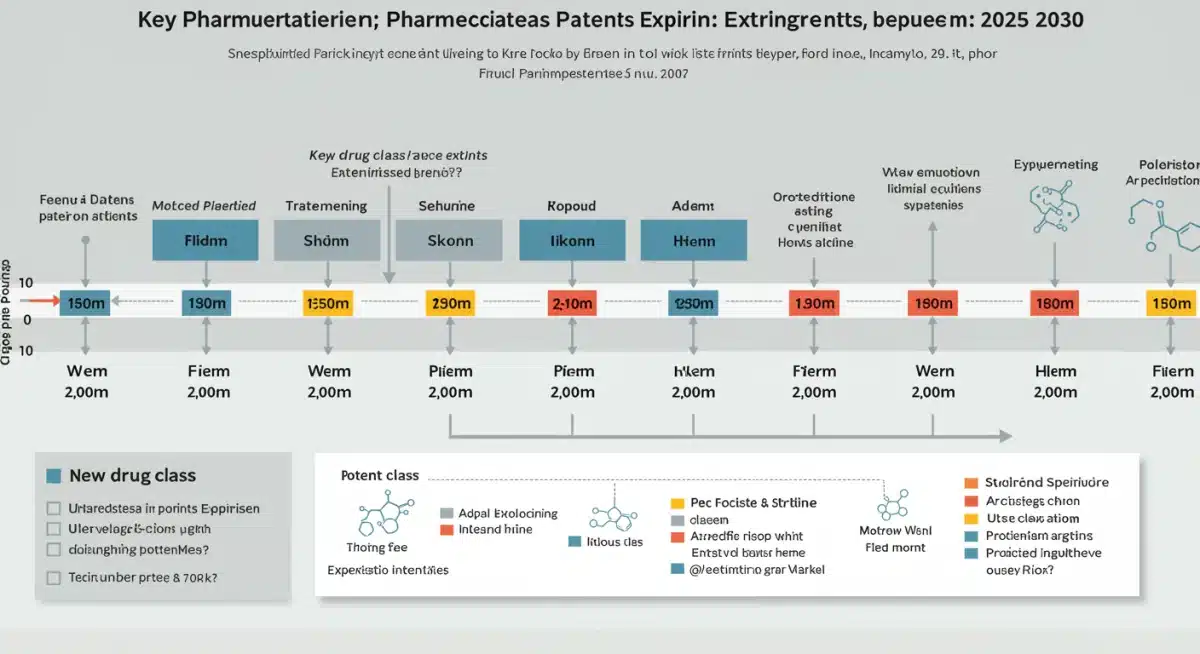
Several high-profile drugs across various therapeutic areas are slated for patent expiration around 2025. These include treatments for chronic diseases, autoimmune conditions, and certain cancers. The loss of exclusivity for these drugs will create a void that both established players and emerging biotechs will vie to fill.
- Immunology: Major biologics used to treat autoimmune diseases are nearing the end of their patent lives, opening the door for biosimilar competition.
- Oncology: Some groundbreaking cancer therapies will face generic pressure, prompting a push for next-generation treatments.
- Cardiovascular and Metabolic Disorders: Patents for several widely used drugs in these categories are also expiring, affecting millions of patients and billions in revenue.
The impact extends beyond just the direct loss of revenue. It also forces pharmaceutical companies to re-evaluate their R&D pipelines, M&A strategies, and market positioning. Understanding which drugs are most at risk is the first step for investors to assess potential hazards.
Identifying Investment Hazards in Expiring Patents
The immediate hazard associated with the 2025 biotech patent cliff is the significant revenue erosion for companies heavily reliant on drugs facing patent expiration. This erosion can lead to decreased profitability, reduced R&D budgets, and potentially lower stock valuations. Investors must scrutinize company portfolios to identify those most exposed.
Companies with a limited pipeline of new, innovative drugs to replace lost revenue are particularly vulnerable. A weak pipeline signifies a lack of future growth drivers, which can deter investors. Furthermore, the competitive landscape for generics and biosimilars is intense, meaning even companies developing these alternatives face significant pricing pressure and market entry challenges.
Financial Impact on Big Pharma
For large pharmaceutical companies, the patent cliff can translate into billions of dollars in lost annual revenue. This financial hit can affect dividend payouts, share buyback programs, and overall investor confidence. Historical patent cliffs have shown that companies that fail to adapt swiftly often see their stock prices underperform.
- Revenue Decline: Direct loss of sales as generic versions capture market share.
- Profit Margin Squeeze: Increased competition drives down prices for both originator and generic drugs.
- R&D Pressure: Reduced funds available for new drug discovery and development.
Beyond direct financial metrics, there’s also the risk of reputational damage and a perception of innovation stagnation if companies cannot effectively transition away from their legacy blockbusters. Investors should prioritize companies demonstrating clear strategies for pipeline replenishment and market diversification.
Navigating the Rise of Generics and Biosimilars
The expiration of patents directly paves the way for generic and biosimilar drugs. These alternatives offer significant cost savings for healthcare systems and patients, but they also represent a formidable competitive force. The rise of these lower-cost options is a double-edged sword for the industry, creating both threats and specific investment opportunities.
Generic drugs are chemically identical to their brand-name counterparts, while biosimilars are highly similar biological products. Both undergo rigorous regulatory approval processes, ensuring safety and efficacy. Their market entry is usually swift and impactful, leading to rapid price erosion for the original drug.
Investment in Generic and Biosimilar Manufacturers
While originator companies face headwinds, manufacturers specializing in generics and biosimilars stand to gain significantly. These companies are poised to capture substantial market share by offering more affordable versions of previously exclusive drugs. Investing in these players can be a strategic move for those looking to capitalize on the patent cliff.
- Market Expansion: Generics and biosimilars can reach a broader patient base due to lower costs.
- Volume-Driven Growth: High demand for affordable alternatives drives sales volume.
- Regulatory Tailwinds: Governments and insurers often incentivize the use of generics and biosimilars to control healthcare costs.
However, this segment is not without its risks. Intense competition among generic manufacturers can lead to price wars, compressing margins. Furthermore, the development of complex biosimilars requires significant investment and expertise, making it a high-stakes endeavor. Diligent research into the specific pipelines and market positions of these manufacturers is crucial.
Emerging Opportunities in Innovative Biotechs
Amidst the challenges posed by the patent cliff, a vibrant ecosystem of innovative biotechs offers compelling investment opportunities. These companies are often at the forefront of developing novel therapies, leveraging cutting-edge science to address unmet medical needs. The capital freed up by the patent cliff, coupled with the industry’s continuous drive for innovation, fuels this sector.
Many of these biotechs focus on advanced modalities such as gene therapies, cell therapies, RNA-based medicines, and targeted small molecules. Their potential to deliver transformative treatments for diseases that currently lack effective options makes them attractive prospects for long-term growth. Investing in early-stage biotechs, while riskier, can yield substantial returns if their therapies prove successful.
Focus Areas for New Drug Development
The biopharmaceutical industry is constantly evolving, and several therapeutic areas are experiencing rapid innovation, offering fertile ground for investment. These include:
- Gene and Cell Therapy: Revolutionary treatments that modify genes or cells to cure diseases at their root.
- Precision Medicine: Therapies tailored to an individual’s genetic makeup, leading to more effective and safer treatments.
- AI-Driven Drug Discovery: Leveraging artificial intelligence to accelerate the identification of new drug candidates and optimize development processes.
- Rare Diseases: Continued focus on orphan drugs for conditions affecting small patient populations, often benefiting from expedited regulatory pathways.
These areas represent the future of medicine and are where significant R&D spending and venture capital are currently flowing. Identifying biotechs with strong intellectual property, robust clinical pipelines, and experienced management teams is key to successful investment in this dynamic space. The patent cliff effectively creates pressure for larger companies to acquire these innovative biotechs, further fueling M&A activity.
Strategic Responses from US Pharma Companies
US pharmaceutical companies are not passively awaiting the 2025 patent cliff; many are actively implementing strategies to mitigate its impact and seize new opportunities. These strategies often involve a multi-pronged approach encompassing R&D, business development, and market diversification. Understanding these corporate responses is crucial for investors evaluating potential holdings.
One common strategy is to increase investment in R&D to accelerate the development of new drugs and expand existing product lines. This often means focusing on novel mechanisms of action, combination therapies, or expanding indications for approved drugs. Companies are also looking beyond traditional small molecules to biologics, cell, and gene therapies, which typically have longer development cycles but also offer stronger patent protection and higher barriers to entry for competitors.
Mergers and Acquisitions (M&A) as a Growth Driver
M&A activity is expected to intensify as companies seek to acquire innovative pipelines and broaden their therapeutic portfolios. Large pharmaceutical firms with strong balance sheets may acquire smaller biotechs with promising early or late-stage assets. This strategy allows them to quickly replenish their pipelines and reduce dependence on expiring blockbusters.
- Pipeline Acquisition: Buying biotechs with novel drug candidates to fill R&D gaps.
- Market Consolidation: Acquiring competitors to gain market share and achieve economies of scale.
- Therapeutic Area Expansion: Entering new disease areas through strategic acquisitions.
Another approach involves divesting non-core assets to streamline operations and focus resources on key growth areas. Some companies are also exploring partnerships and collaborations to share development risks and leverage complementary expertise. These strategic moves are designed to ensure long-term sustainability and maintain competitive advantage in a rapidly changing market.
Investment Strategies for the Post-2025 Landscape
For investors, the 2025 biotech patent cliff demands a refined investment strategy. A blanket approach to pharmaceutical stocks will likely prove insufficient. Instead, a nuanced understanding of individual company dynamics, pipeline strength, and strategic agility will be paramount. Diversification across different segments of the biotech and pharma industry can help mitigate risks.
One effective strategy involves identifying companies with robust pipelines of new, innovative drugs that are far from patent expiration. These companies are less exposed to the immediate impact of the cliff and are positioned for future growth. Furthermore, looking for companies with diversified portfolios across multiple therapeutic areas can provide a buffer against the loss of exclusivity for any single drug.
Key Considerations for Investors
When constructing a portfolio for the post-2025 landscape, several factors should guide investment decisions:
- Pipeline Strength: Evaluate the number, stage, and potential of new drug candidates.
- R&D Investment: Assess a company’s commitment to innovation and future growth.
- M&A Strategy: Look for companies actively pursuing strategic acquisitions or partnerships.
- Geographic Diversification: Consider companies with a strong presence in emerging markets to offset challenges in established regions.
- Financial Health: Analyze balance sheets, cash flow, and debt levels to ensure long-term stability.
Additionally, investors may consider specialized biotech funds or ETFs that focus on specific innovative sectors, such as gene therapy or rare diseases. These vehicles offer diversified exposure to high-growth areas without the need for extensive individual stock research. Ultimately, a proactive and informed approach will be essential for capitalizing on the opportunities presented by the 2025 biotech patent cliff.
| Key Point | Brief Description |
|---|---|
| Patent Expirations | Numerous blockbuster drugs lose exclusivity, leading to revenue decline for originators. |
| Generic & Biosimilar Impact | Increased competition and price erosion from lower-cost alternatives. |
| Innovation Opportunities | Growth in gene therapy, precision medicine, and AI-driven drug discovery. |
| Strategic Responses | Pharma companies engage in M&A, R&D boosts, and portfolio diversification. |
Frequently Asked Questions About the 2025 Biotech Patent Cliff
The 2025 biotech patent cliff refers to a period around 2025 when a large number of high-revenue biotech and pharmaceutical drugs will lose their patent exclusivity in the US. This opens the market to generic and biosimilar competition, significantly impacting originator companies’ revenues and market share.
Patent expirations will lead to substantial revenue losses for companies heavily reliant on these drugs. It typically results in decreased profitability, pressure on R&D budgets, and diminished market capitalization if not effectively managed through pipeline replenishment and strategic diversification.
Opportunities emerge in generic and biosimilar manufacturers, as well as innovative biotechs developing next-generation therapies like gene and cell therapies. Strategic mergers and acquisitions by larger firms seeking to acquire new pipelines also present investment avenues.
Key therapeutic areas impacted include immunology, oncology, and cardiovascular/metabolic disorders, where several blockbuster biologics and small molecules face upcoming patent expirations. These areas will see significant shifts in market dynamics and competitive landscapes.
Investors can mitigate risks by diversifying portfolios, focusing on companies with strong, innovative pipelines, robust financial health, and clear strategic plans for growth. Investing in generic/biosimilar leaders or specialized biotech funds can also offer protection and growth potential.
Conclusion
The 2025 biotech patent cliff represents a transformative period for the US pharmaceutical industry, presenting both formidable hazards and exciting opportunities. While established players face significant revenue challenges from expiring patents, the landscape is ripe for innovation, fostering growth in generic and biosimilar markets, and propelling cutting-edge biotechs forward. Successful navigation of this complex environment will require astute analysis, strategic adaptability, and a keen eye for the companies poised to lead the next era of drug development. For investors, understanding these dynamics is not just about avoiding losses, but about positioning portfolios to capture the substantial upside of a re-energized and evolving biotech sector.