BIO-US 2026: Navigating Growth for Biotech Startups
The biotechnology landscape is constantly evolving, driven by groundbreaking scientific discoveries, technological advancements, and a relentless pursuit of solutions to some of humanity’s most pressing health and environmental challenges. As we look towards BIO-US 2026, the premier event for the global biotechnology community, the anticipation among biotech startups is palpable. This conference serves as a critical nexus for innovation, investment, and collaboration, offering a unique platform for emerging companies to showcase their potential and forge vital connections. Understanding the profound impact of BIO-US 2026 on biotech startups is not just beneficial; it’s essential for strategic planning and sustained growth. This article delves deep into what biotech startups need to know to leverage BIO-US 2026 for maximum impact, covering everything from securing funding to navigating complex regulatory pathways and fostering strategic partnerships.
The Unfolding Landscape: Why BIO-US 2026 Matters for Biotech Startups
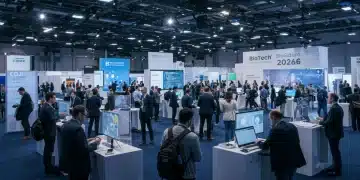
BIO-US 2026 represents more than just another industry conference; it’s a pivotal moment that can shape the trajectory of countless biotech startups. For nascent companies, the event offers unparalleled exposure to potential investors, pharmaceutical giants, academic institutions, and regulatory bodies. The sheer concentration of key stakeholders in one place creates a fertile ground for networking, deal-making, and knowledge exchange. The discussions and presentations at BIO-US 2026 often set the tone for future trends, spotlighting emerging technologies, therapeutic areas, and business models that will dominate the biotech sector in the coming years. For biotech startups, being at the forefront of these conversations is crucial for staying competitive and identifying new opportunities. The event also provides a unique opportunity to gauge market sentiment, understand investor appetites, and refine business strategies based on real-time industry insights. Furthermore, the presence of regulatory experts and policymakers offers a chance to gain clarity on evolving compliance standards and potential legislative changes that could impact product development and market entry. The energy and collective ambition at BIO-US 2026 are infectious, providing inspiration and validation for entrepreneurs navigating the often challenging journey of bringing novel biotechnologies to fruition. It’s a place where ideas are born, partnerships are forged, and the future of healthcare and beyond begins to take shape. Therefore, for any biotech startup with aspirations of significant growth and impact, a well-planned presence and active engagement at BIO-US 2026 are non-negotiable. The connections made, the insights gained, and the visibility achieved can be instrumental in propelling a startup from promising concept to market leader.
Securing Critical Funding: Navigating Investment Opportunities at BIO-US 2026
One of the most significant challenges for any biotech startup is securing adequate funding to fuel research, development, and eventual commercialization. BIO-US 2026 is a veritable magnet for investors actively seeking the next big breakthrough in biotechnology. Venture capitalists, angel investors, corporate venture arms, and even philanthropic organizations converge at this event, all with an eye toward identifying innovative technologies and promising teams. For biotech startups, preparation is key. Having a compelling pitch deck, a clear understanding of your value proposition, robust scientific data, and a well-defined business plan are fundamental. The conference often features dedicated investor forums, pitch competitions, and one-on-one meeting opportunities designed to facilitate connections between startups and capital providers. Understanding the different types of investors and what they typically look for is also crucial. Some investors might prioritize early-stage, high-risk, high-reward ventures, while others might prefer companies with more mature pipelines or those nearing clinical trials. BIO-US 2026 offers a unique chance to tailor your approach and target specific investor profiles. Beyond traditional equity funding, the event also highlights opportunities for non-dilutive funding, such as government grants, strategic partnerships, and licensing agreements. Networking with larger pharmaceutical companies or established biotech firms can open doors to collaborative development deals that provide both funding and expertise. The discussions at BIO-US 2026 often reveal emerging investment trends, helping startups to align their strategies with current market demands. For instance, if there’s a surge in interest in gene editing technologies or AI-driven drug discovery, startups in these areas can leverage this momentum. Ultimately, BIO-US 2026 provides a concentrated environment where the right connections can lead to transformative funding rounds, enabling biotech startups to accelerate their journey from bench to bedside. The dynamic interplay between innovation and capital is never more apparent than at this global gathering, making it an indispensable event for fundraising efforts.
Strategic Partnerships and Collaborations: A Catalyst for Growth
In the highly capital-intensive and complex world of biotechnology, going it alone is rarely the most effective strategy. Strategic partnerships and collaborations are often the lifeblood of successful biotech startups, providing access to resources, expertise, and market channels that would otherwise be out of reach. BIO-US 2026 is an unrivaled platform for forging these critical alliances. The conference brings together a diverse ecosystem of potential partners, including large pharmaceutical companies, contract research organizations (CROs), academic institutions, technology providers, and even other complementary startups. For a biotech startup, identifying the right partner is about more than just finding someone with resources; it’s about finding a synergistic relationship that accelerates development and de-risks the path to market. Large pharmaceutical companies, for example, often seek to license or acquire promising early-stage assets, offering significant upfront payments, milestone payments, and access to their vast development and commercialization infrastructure. Academic collaborations can provide access to cutting-edge research, specialized equipment, and scientific talent. CROs can streamline clinical trials and regulatory submissions, freeing up a startup’s internal resources. BIO-US 2026 facilitates these connections through dedicated partnering meetings, exhibition halls, and numerous networking events. Startups should arrive with a clear understanding of what they are seeking in a partner and what value they can bring to the table. A well-articulated partnership strategy, outlining potential deal structures and collaboration models, can significantly enhance the chances of success. Beyond formal agreements, the informal networking opportunities at BIO-US 2026 can lead to unexpected and valuable alliances. Conversations over coffee or at evening receptions can spark ideas for joint ventures, co-development agreements, or even informal mentorships. These relationships, whether formal or informal, are invaluable for knowledge sharing, market insights, and navigating the inherent complexities of the biotech industry. The collaborative spirit fostered at BIO-US 2026 underscores the reality that collective effort often yields greater innovation and impact than individual endeavors. Building a robust network of strategic partners is not just about survival; it’s about thriving in a competitive landscape and accelerating the delivery of life-changing therapies and technologies to patients.
Navigating the Regulatory Maze: Insights and Compliance at BIO-US 2026
The path from scientific discovery to approved product is fraught with regulatory hurdles, particularly in the biotechnology sector. Navigating these complex landscapes requires deep expertise, meticulous planning, and a keen awareness of evolving guidelines. BIO-US 2026 offers an invaluable opportunity for biotech startups to gain critical insights into regulatory affairs. The conference typically features sessions led by experts from regulatory bodies such as the FDA, EMA, and other global agencies. These sessions provide updates on new regulations, guidance documents, and best practices for clinical trial design, manufacturing, and product approval. For startups, understanding these nuances is paramount to avoiding costly delays and ensuring compliance. Engaging with regulatory experts at the conference can provide clarity on specific challenges and offer tailored advice. This direct interaction can be particularly beneficial for companies developing novel therapies or platforms that may not fit neatly into existing regulatory frameworks. BIO-US 2026 also allows startups to learn from the experiences of others, both successes and failures, in navigating the regulatory process. Case studies and panel discussions often highlight strategies for efficient regulatory submissions, managing post-market surveillance, and addressing ethical considerations in biotechnology. Furthermore, the conference provides a platform to understand the global regulatory landscape. As many biotech products aim for international markets, being aware of regional differences in approval processes, data requirements, and intellectual property protection is crucial. This global perspective helps startups to develop a comprehensive regulatory strategy that supports worldwide commercialization. The emphasis on regulatory compliance at BIO-US 2026 underscores its importance not just as a gatekeeper but as a foundational element for building trust and ensuring patient safety. For biotech startups, integrating regulatory strategy early into their development plans, informed by the insights gained at BIO-US 2026, can significantly de-risk their ventures and accelerate their journey to market. A robust regulatory strategy is not an afterthought; it is an integral component of a successful biotech enterprise, and BIO-US 2026 is a key resource for developing and refining that strategy.
Market Access and Commercialization Strategies: From Bench to Bedside
Developing a groundbreaking biotechnological product is only half the battle; successfully bringing it to market and ensuring patient access is the ultimate goal. BIO-US 2026 provides a critical forum for biotech startups to refine their market access and commercialization strategies. The conference features numerous sessions dedicated to market trends, payer landscapes, pricing strategies, and patient advocacy. Understanding these dynamics is essential for developing a viable commercialization plan. For startups, early consideration of market access is crucial. This includes identifying target patient populations, assessing market size, understanding competitive landscapes, and anticipating reimbursement challenges. BIO-US 2026 brings together experts in health economics and outcomes research (HEOR), market research, and commercial strategy, offering invaluable perspectives. Engaging with these professionals can help startups to build a compelling value proposition that resonates with payers, providers, and patients. The conference also highlights the importance of patient advocacy in commercialization. Patient groups can play a significant role in raising awareness, supporting clinical trials, and advocating for access to new therapies. Learning how to effectively engage with these groups can be a powerful component of a startup’s strategy. Furthermore, BIO-US 2026 often showcases successful commercialization case studies, offering practical lessons and insights into effective launch strategies. These examples can inspire startups and provide actionable frameworks for their own products. The event also facilitates discussions around global market opportunities. While the US market is often a primary focus, many biotech products have significant potential in Europe, Asia, and other regions. Understanding the nuances of international market access, including local regulatory requirements, pricing structures, and distribution channels, is vital for a comprehensive commercialization plan. Ultimately, BIO-US 2026 helps biotech startups bridge the gap between scientific innovation and real-world impact. By providing access to commercialization expertise and fostering connections with key market stakeholders, the conference empowers startups to develop robust strategies that ensure their life-changing products reach the patients who need them most. A well-executed market access strategy, informed by the rich insights available at BIO-US 2026, is a cornerstone of sustainable growth and societal benefit for any biotech venture.
Fostering Innovation and Talent: The Human Capital at BIO-US 2026
Beyond funding, partnerships, and market strategies, the success of any biotech startup hinges on its ability to foster a culture of innovation and attract top-tier talent. BIO-US 2026 is not just a marketplace for products and ideas; it’s also a hub for human capital. The conference draws a diverse pool of professionals, including leading scientists, experienced executives, regulatory experts, and emerging talent from academia. For biotech startups, this presents a unique opportunity to scout for potential hires, engage with industry thought leaders, and benchmark their own innovative practices against the best in the field. Sessions focusing on R&D trends, disruptive technologies, and scientific breakthroughs provide a glimpse into the future of biotechnology, inspiring startups to push the boundaries of what’s possible. These discussions can spark new research directions, challenge existing paradigms, and foster a dynamic environment for creative problem-solving within the startup. Moreover, the presence of academic institutions and technology transfer offices at BIO-US 2026 facilitates connections between cutting-edge research and commercial application. Startups can explore licensing opportunities for novel technologies developed in universities, further enriching their product pipelines and intellectual property portfolios. The networking events at BIO-US 2026 also serve as informal recruitment grounds. Talented individuals often attend the conference to explore new career opportunities, and startups can leverage this to identify potential team members who are passionate about their mission and possess the specialized skills required in biotechnology. Building a strong, multidisciplinary team is crucial for navigating the complex scientific, regulatory, and commercial challenges inherent in the sector. The conference also provides a platform for leadership development. Attending keynotes and panel discussions featuring successful biotech entrepreneurs and executives can offer invaluable insights into effective leadership, strategic decision-making, and organizational growth. For founders and early-stage leaders, these learning opportunities are vital for scaling their companies and building resilient organizations. In essence, BIO-US 2026 reinforces the idea that innovation is a deeply human endeavor. By connecting startups with the brightest minds, the latest scientific advancements, and the most inspiring leaders, the conference helps cultivate the intellectual and human capital necessary for sustained growth and transformative impact in the biotechnology industry. Investing in talent and fostering a culture of continuous innovation, informed by the rich environment of BIO-US 2026, is a strategic imperative for any biotech startup aiming for long-term success.
Preparing for BIO-US 2026: A Startup’s Checklist for Success
To truly maximize the benefits of BIO-US 2026, biotech startups need a well-defined strategy and meticulous preparation. Simply showing up is not enough; proactive engagement is key. Here’s a comprehensive checklist to guide your preparations:
- Define Your Objectives: Clearly articulate what you aim to achieve at the conference. Is it securing Series A funding, finding a strategic licensing partner, recruiting a key scientist, or gaining regulatory insights? Specific objectives will guide your activities.
- Perfect Your Pitch: Develop a concise, compelling, and scientifically sound elevator pitch (30 seconds), a short presentation (5-10 minutes), and a detailed pitch deck. Be ready to articulate your science, market opportunity, team, and financial projections.
- Identify Key Stakeholders: Research attendees, exhibitors, and speakers. Create a targeted list of investors, potential partners, regulatory experts, and media you want to connect with.
- Schedule Meetings in Advance: Utilize the conference’s partnering system or direct outreach to schedule one-on-one meetings with your target stakeholders well before the event. Slots fill up quickly.
- Prepare Marketing Materials: Ensure you have professional and informative materials, such as brochures, scientific posters, and a functional website. Have digital versions readily available for sharing.
- Practice Networking Skills: Be ready to engage in meaningful conversations. Listen actively, ask insightful questions, and be prepared to share your story concisely and enthusiastically.
- Understand the Agenda: Review the conference schedule for relevant sessions, workshops, and panel discussions. Prioritize those that align with your objectives and offer valuable insights.
- Leverage Your Online Presence: Update your LinkedIn profile and other professional social media. Announce your attendance at BIO-US 2026 and highlight what you’re looking to achieve.
- Follow Up Diligently: The real work begins after the conference. Send personalized follow-up emails to everyone you met within 24-48 hours. Reiterate your interest and next steps.
- Post-Conference Strategy: Integrate the insights and connections gained into your ongoing business strategy. Analyze what worked well and what could be improved for future events.
By diligently following these steps, biotech startups can transform BIO-US 2026 from a mere attendance opportunity into a powerful catalyst for growth, innovation, and long-term success. The strategic investment of time and resources in preparation will undoubtedly yield significant returns, positioning your startup at the forefront of the evolving biotechnology landscape.
Conclusion: BIO-US 2026 as a Launchpad for Biotech Success
The biotechnology industry stands on the precipice of unprecedented innovation, with startups at the heart of this transformative wave. BIO-US 2026 represents a crucial milestone for these emerging companies, offering a unique convergence of capital, expertise, and opportunity. From securing vital funding to forging strategic alliances, navigating complex regulatory pathways, and developing robust market access strategies, the conference provides an unparalleled ecosystem for growth. The insights gained from industry leaders, the connections made with potential partners and investors, and the exposure to cutting-edge scientific advancements can collectively propel a biotech startup from a promising concept to a market-ready solution. Furthermore, the emphasis on talent acquisition and fostering a culture of innovation ensures that startups are not only equipped with financial and strategic resources but also with the human capital necessary for sustained success. As biotech startups prepare for BIO-US 2026, a meticulous approach to planning and engagement will be paramount. By clearly defining objectives, perfecting their pitches, and actively seeking out synergistic relationships, these companies can unlock the full potential of this global gathering. The impact of BIO-US 2026 on biotech startups will resonate far beyond the conference halls, shaping pipelines, influencing investment trends, and ultimately accelerating the delivery of life-changing therapies and technologies to patients worldwide. It is a testament to the collaborative spirit and relentless pursuit of innovation that defines the biotechnology sector, and a critical launchpad for the next generation of biotech leaders. Embracing the opportunities presented by BIO-US 2026 is not just a strategic choice; it is an imperative for any biotech startup aspiring to make a significant and lasting impact on global health and well-being.