Biotech Talent Acquisition: Securing Top US Scientists

US biotech startups are employing innovative strategies for biotech talent acquisition, focusing on unique compensation, culture, and cutting-edge research to attract and retain the top 10% of scientists in a fiercely competitive landscape.
In the fiercely competitive landscape of the US biotech industry, securing top-tier scientific talent is paramount for success. Biotech talent acquisition has evolved into a strategic imperative, with startups employing innovative approaches to attract and retain the brightest minds. This article delves into the insider knowledge of how these agile companies are competing for the top 10% of scientists, transforming recruitment into a distinct competitive advantage.
The High-Stakes Environment of Biotech Talent Acquisition
The US biotech sector is a crucible of innovation, constantly pushing the boundaries of what’s possible in medicine and science. This dynamic environment, while exciting, creates an intense demand for highly specialized scientific expertise. Startups, often with limited resources compared to established pharmaceutical giants, face a unique set of challenges in attracting the elite.
The competition isn’t just about salary anymore; it’s a holistic battle for minds, where culture, opportunity, and impact play crucial roles. Understanding this high-stakes environment is the first step in formulating effective talent strategies.
Understanding the Biotech Talent Landscape
The scarcity of top-tier scientists, particularly those with niche skills in areas like gene editing, AI in drug discovery, or advanced cell therapies, amplifies the challenge. These individuals are not just employees; they are often the intellectual capital driving a startup’s entire valuation. Their expertise can accelerate drug development, secure crucial funding rounds, and ultimately bring life-changing therapies to market.
- Specialized skill sets are in high demand.
- Experienced scientists often prefer stability, making startups a harder sell.
- Global competition for the same limited pool of experts.
- Rapid technological advancements require continuous upskilling.
Moreover, the academic pipeline, while robust, doesn’t always produce candidates with the specific industry-relevant skills or entrepreneurial mindset that many startups require. This gap necessitates proactive strategies, often involving poaching from larger companies or investing heavily in post-doctoral development.
In conclusion, the biotech talent acquisition landscape is characterized by intense competition for a limited pool of specialized experts. Startups must navigate this environment by understanding the unique demands and motivations of top scientists to craft compelling offers beyond traditional incentives.
Crafting Irresistible Compensation Packages
While money isn’t the only motivator, a competitive and thoughtfully structured compensation package remains a cornerstone of successful biotech talent acquisition. For startups, this often means being creative and leveraging equity as a powerful incentive.
Beyond base salary, the true appeal lies in the potential for significant financial upside tied directly to the company’s success, alongside comprehensive benefits that address the well-being of their most valuable assets.
The Power of Equity and Performance Bonuses
Startups, by nature, offer a higher risk-reward profile. Top scientists are often willing to take a chance on a nascent company if the potential payout is substantial. Equity, in the form of stock options or restricted stock units, aligns the scientist’s financial interests directly with the company’s long-term success. This fosters a sense of ownership and commitment rarely found in larger, more bureaucratic organizations.
Performance-based bonuses, tied to specific scientific milestones or intellectual property achievements, further incentivize groundbreaking work. These aren’t just annual reviews; they are often structured around the critical path of drug discovery or clinical trial progression.
A well-rounded package also includes premium health and dental insurance, generous paid time off, and robust retirement plans. These benefits, often taken for granted in larger corporations, are crucial for attracting experienced professionals who value stability and security.
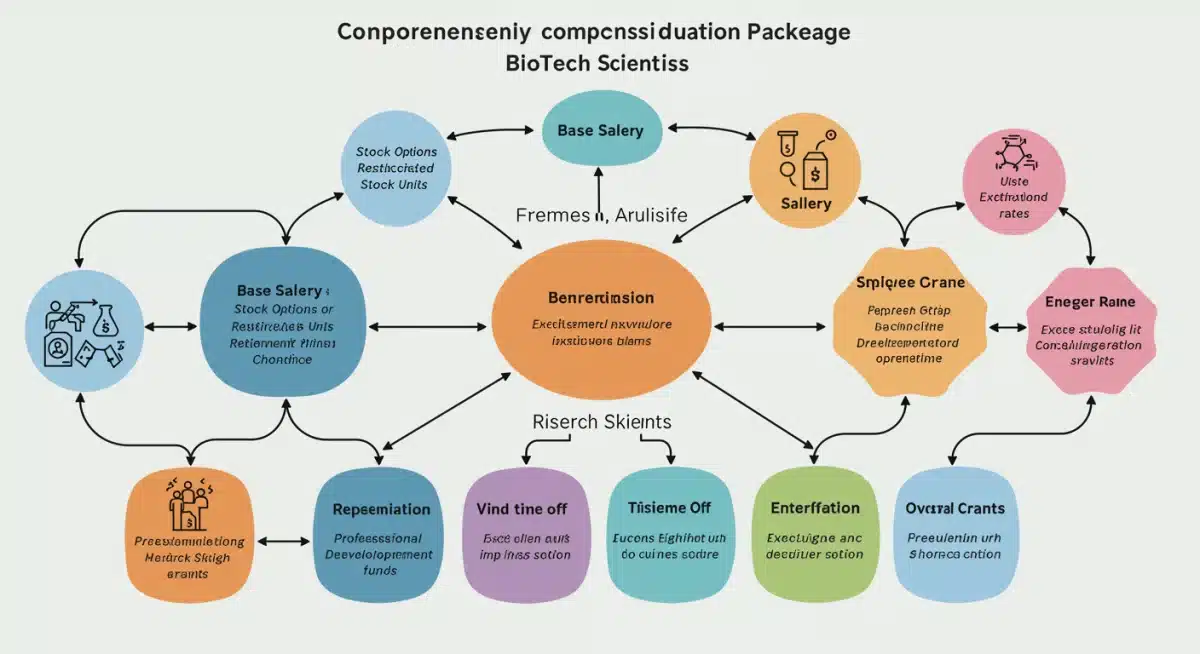
Beyond the standard offerings, some startups are exploring:
- Sign-on bonuses: To offset the risk of leaving a stable position.
- Relocation packages: Especially for highly specialized talent moving across states or internationally.
- Research grants and allowances: Empowering scientists to pursue independent or supplementary research.
- Professional development stipends: Covering conferences, workshops, and advanced degree programs.
Ultimately, a compelling compensation strategy for biotech talent acquisition isn’t just about matching industry averages; it’s about crafting a package that reflects the unique value a top scientist brings and the potential for shared success. It communicates that the company truly values their contribution, both scientifically and financially.
Cultivating an Innovation-Driven Culture
Beyond financial incentives, the culture of a biotech startup is a powerful magnet for top scientists. These individuals are often driven by a deep passion for discovery and a desire to make a tangible impact. A culture that fosters intellectual freedom, collaboration, and a clear sense of purpose can be more appealing than the perceived stability of a large corporation.
Startups have the unique advantage of building their culture from the ground up, shaping an environment where scientific curiosity thrives and groundbreaking ideas are encouraged.
Empowering Scientific Autonomy and Collaboration
Top scientists crave autonomy. They want the freedom to explore novel hypotheses, design experiments, and pursue promising avenues of research without excessive bureaucratic hurdles. Biotech startups, with their leaner structures, can often offer this level of scientific independence more readily than larger organizations.
Collaboration is equally vital. The most complex scientific challenges often require interdisciplinary approaches. Startups that foster an open, collaborative atmosphere, where ideas are freely exchanged and diverse perspectives are valued, create a richer environment for innovation. This often translates to flatter hierarchies and direct access to leadership and founders, allowing for quicker decision-making and project pivots.
Furthermore, a strong sense of mission and purpose resonates deeply with scientists. They want to know their work is contributing to something significant, whether it’s curing a rare disease or developing a revolutionary diagnostic tool. Communicating this mission clearly and consistently is crucial for attracting those who are intrinsically motivated by impact.
Key cultural elements that attract top talent include:
- A flat organizational structure promoting direct communication.
- Emphasis on scientific freedom and experimental design.
- Interdisciplinary collaboration and knowledge sharing.
- A clear, compelling company mission and vision.
A robust culture also includes a commitment to professional development. Providing opportunities for continuous learning, attending scientific conferences, and publishing research are all highly valued by scientists looking to advance their careers and maintain their intellectual edge. This commitment signals that the startup is invested in their long-term growth, not just short-term gains.
In essence, creating an innovation-driven culture is about more than just perks; it’s about building an ecosystem where scientific excellence is celebrated, intellectual curiosity is nurtured, and the potential for significant impact is palpable. This cultural resonance is a powerful tool in biotech talent acquisition, especially for the most discerning scientists.
Leveraging Cutting-Edge Research and Technology
For many top scientists, the opportunity to work on truly groundbreaking research using state-of-the-art technology is a primary driver. Biotech startups often emerge from academic breakthroughs or novel technological platforms, placing them at the forefront of scientific discovery. This inherent advantage can be a significant draw in biotech talent acquisition.
The chance to be part of something new, to contribute to a field-defining project, is a powerful motivator that can sometimes even outweigh minor differences in compensation. It speaks to the core desire of scientists to innovate and leave a lasting mark.
Access to Advanced Tools and Pioneering Projects
Top scientists are often pioneers themselves, eager to apply their skills to unsolved problems and utilize the latest tools and techniques. Startups that are actively developing or employing cutting-edge technologies – such as CRISPR-based therapies, advanced AI for drug screening, single-cell genomics, or novel bioinformatics platforms – inherently attract this caliber of talent.
The allure isn’t just about having access to expensive equipment; it’s about the intellectual challenge and the potential for unprecedented discoveries. Many scientists are drawn to the agility of startups, where they can often move faster from concept to experimentation than in larger, more bureaucratic institutions.
Furthermore, being involved in projects that have the potential to disrupt entire industries or provide solutions for previously untreatable diseases offers unparalleled professional satisfaction. This sense of purpose, combined with working at the technological vanguard, creates a compelling proposition.
Startups can highlight:
- Proprietary technologies or unique research platforms.
- First-in-class or best-in-class therapeutic approaches.
- Direct involvement in early-stage drug discovery and development.
- Opportunities to publish in high-impact journals.
Showcasing these pioneering aspects through scientific publications, conference presentations, and engaging content on their career pages is vital. Allowing prospective candidates to meet with current scientists and discuss the depth and breadth of the research firsthand can also be incredibly persuasive. The narrative of being at the cutting edge is a powerful story for biotech talent acquisition.
Building a Strong Employer Brand and Network
In the competitive world of biotech talent acquisition, a strong employer brand is no longer a luxury but a necessity. It’s about how a startup is perceived by the scientific community – as a place of innovation, opportunity, and impact. This brand is built not just through marketing, but through genuine engagement and the experiences of its current employees.
Beyond brand, cultivating a robust network within academia and industry is crucial for identifying and attracting passive candidates who may not be actively searching for new roles but are open to compelling opportunities.
Strategic Networking and Thought Leadership
Engaging with the scientific community through conferences, seminars, and collaborations with academic institutions is vital. Sponsoring research, hosting workshops, or inviting prominent scientists as guest speakers can elevate a startup’s profile and establish its credibility as a serious player in the field. This also provides invaluable networking opportunities to identify potential candidates and for them to learn about the company in a non-recruitment setting.
Thought leadership – publishing impactful research, contributing to scientific discourse, and having key scientists speak at industry events – positions the startup as a hub of expertise. This attracts scientists who want to work alongside leaders and contribute to cutting-edge discussions. A strong scientific advisory board, comprising respected figures in the field, further enhances this perception.
Internship and fellowship programs are also excellent ways to build a talent pipeline and identify future stars. These programs offer students and post-docs valuable industry experience, while allowing the startup to assess potential hires in a real-world setting. Many top scientists begin their careers through such programs, making them crucial for long-term biotech talent acquisition.
Effective employer branding also involves:
- Showcasing employee testimonials and success stories.
- Maintaining an active presence on scientific social media platforms.
- Participating in university career fairs and recruitment events.
- Highlighting diversity, equity, and inclusion initiatives.
Ultimately, building a strong employer brand and network is about creating a reputation as a desirable place to work – a place where scientific talent can thrive, contribute meaningfully, and grow professionally. This organic attraction is often more effective and sustainable than traditional recruitment advertising alone, especially for the top 10% of scientists.
Streamlining the Recruitment and Onboarding Process
Even with an irresistible offer and a stellar brand, a clunky or prolonged recruitment process can deter top scientific talent. Highly sought-after individuals often have multiple offers on the table, and efficiency, transparency, and a positive candidate experience are paramount. Biotech startups must optimize their hiring funnels to be as agile as their scientific endeavors.
Equally important is a well-structured onboarding process that seamlessly integrates new hires into the company’s culture and scientific projects, ensuring they feel valued and productive from day one.
Efficient Interviewing and Seamless Integration
For top scientists, time is a precious commodity. A recruitment process that respects their time, provides clear expectations, and moves swiftly can be a significant differentiator. This includes:
- Expedited interview rounds: Consolidating interviews to minimize disruption.
- Transparent communication: Providing regular updates on application status.
- Respectful feedback: Offering constructive feedback even to unsuccessful candidates.
- Structured technical assessments: Ensuring evaluations are relevant and fair.
The interview process should not just assess skills but also allow candidates to experience the company culture and meet potential colleagues. Hosting informal meet-and-greets or lab tours can provide valuable insights for both parties, fostering a sense of connection.
Once an offer is accepted, a seamless onboarding process is crucial. This goes beyond paperwork; it involves:
- Assigning a mentor or buddy to guide the new hire.
- Providing clear project objectives and access to necessary resources.
- Facilitating introductions to key stakeholders and collaborators.
- Scheduling regular check-ins to address any initial challenges.
A well-executed onboarding process ensures that new scientists can quickly contribute to projects, feel integrated into the team, and reaffirm their decision to join the startup. It reinforces the positive image projected during recruitment and sets the stage for long-term retention. In biotech talent acquisition, the journey from candidate to valued team member is as critical as the initial attraction.
Retaining Top Biotech Talent: Beyond the Offer Letter
Attracting top scientific talent is only half the battle; retaining them is the ultimate goal for sustained innovation and growth. The initial excitement of joining a cutting-edge startup can fade if the environment doesn’t continue to meet their professional and personal needs. Effective retention strategies in biotech talent acquisition focus on continuous engagement, growth opportunities, and a supportive work-life balance.
Understanding the long-term motivations of elite scientists is key to creating an environment where they feel valued, challenged, and committed to the company’s mission for years to come.
Continuous Growth, Recognition, and Well-being
Top scientists are perpetual learners, driven by intellectual curiosity. Providing ongoing opportunities for professional development – whether through advanced training, attendance at prestigious conferences, or support for publishing research – is crucial. This commitment to their growth signals that the company is invested in their long-term career trajectory, not just their immediate contributions.
Recognition of their achievements, both within the company and externally, is also highly motivating. Celebrating scientific breakthroughs, patent filings, or successful project milestones reinforces their value and encourages continued excellence. This recognition can take many forms, from internal awards to public accolades and opportunities for leadership roles.
Furthermore, maintaining a healthy work-life balance is increasingly important. While the biotech sector is known for its demanding pace, startups that promote flexibility, offer wellness programs, and respect personal time can significantly improve retention. A supportive environment that acknowledges the human element behind the scientific genius is vital.
Key retention elements include:
- Ongoing professional development and learning opportunities.
- Regular recognition of scientific and project achievements.
- Mentorship programs and clear career progression paths.
- Support for work-life balance and mental well-being initiatives.
Regular feedback mechanisms, such as one-on-one meetings and anonymous surveys, allow startups to proactively address concerns and adapt their strategies. Creating a transparent and responsive environment where scientists feel heard and their contributions genuinely impact company direction fosters loyalty. Ultimately, successful biotech talent acquisition is a continuous cycle of attraction, engagement, and retention, built on a foundation of mutual respect and shared scientific ambition.
| Key Strategy | Brief Description |
|---|---|
| Creative Compensation | Leveraging equity and performance bonuses, alongside comprehensive benefits, to attract top scientists. |
| Innovation Culture | Fostering scientific autonomy, collaboration, and a strong sense of mission to engage intellectual curiosity. |
| Cutting-Edge Research | Offering access to advanced technology and pioneering projects that drive scientific breakthroughs. |
| Employer Branding | Building a strong reputation and network within the scientific community to attract passive candidates. |
Frequently Asked Questions About Biotech Talent Acquisition
Biotech talent acquisition is challenging due to intense competition for a limited pool of highly specialized scientists. Startups compete with larger corporations, often having fewer resources but offering unique opportunities for impact and equity ownership to attract top talent.
Startups often leverage significant equity stakes and performance-based bonuses tied to scientific milestones. While base salaries might be competitive, the potential for substantial financial upside through company growth is a key differentiator, alongside comprehensive benefits packages.
Company culture is paramount. Top scientists are drawn to environments offering scientific autonomy, intellectual freedom, and a clear mission. Startups fostering collaboration, innovation, and direct impact often win over talent seeking meaningful contributions beyond just a paycheck.
Elite scientists are driven by discovery and the desire to work on groundbreaking projects. Startups offering access to state-of-the-art equipment and pioneering research platforms, such as CRISPR or advanced AI for drug discovery, provide a powerful intellectual draw that attracts leading experts.
Retention involves continuous professional development, recognition of achievements, and fostering a supportive work-life balance. Providing growth opportunities, mentorship, and a culture where scientists feel valued and heard ensures long-term commitment and sustained innovation.
Conclusion
Navigating the complex landscape of biotech talent acquisition requires US startups to be strategic, innovative, and deeply attuned to the motivations of the scientific elite. By crafting irresistible compensation packages that balance salary with significant equity, cultivating innovation-driven cultures that empower scientific autonomy, and leveraging access to truly cutting-edge research, these agile companies can effectively compete for the top 10% of scientists. Furthermore, building a strong employer brand through strategic networking and ensuring a streamlined recruitment and robust retention process are critical for sustainable success. Ultimately, the ability to attract, integrate, and continuously engage top scientific minds is not merely a human resources function; it is a fundamental driver of innovation and a decisive competitive advantage in the high-stakes world of biotech.