Navigating the 2026 US Biotech Job Market: 5 Key Trends for Career Growth
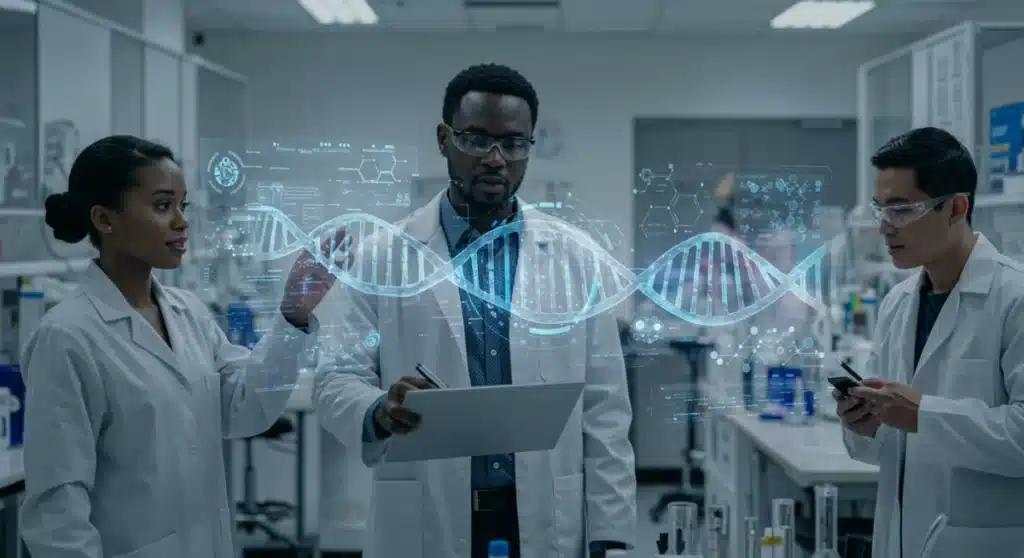
The United States biotech job market is a dynamic and ever-evolving landscape, characterized by rapid scientific advancements, significant investment, and a constant demand for skilled professionals. As we look ahead to 2026, several key trends are poised to reshape this sector, offering unprecedented opportunities for career growth and innovation. Understanding these shifts is crucial for anyone looking to enter, or advance within, the US Biotech Job Market.
Understanding the Current Landscape of the US Biotech Job Market
Before diving into future trends, it’s essential to grasp the current state of the US biotech job market. The sector has witnessed consistent growth, driven by breakthroughs in genomics, personalized medicine, biomanufacturing, and a heightened focus on public health, particularly post-pandemic. Major biotech hubs like Boston, San Francisco, San Diego, and Research Triangle Park continue to attract top talent and investment, fostering ecosystems ripe for innovation. However, the market is also expanding beyond these traditional centers, with emerging clusters developing across the country.
Investment in biotechnology remains robust, with venture capital pouring into promising startups and established pharmaceutical companies expanding their R&D pipelines. This financial injection fuels job creation across various disciplines, from research and development to clinical trials, manufacturing, and regulatory affairs. The demand for specialized skills is high, and competition for top positions can be fierce, making continuous learning and skill development paramount for professionals in this field.
The regulatory environment also plays a significant role. The Food and Drug Administration (FDA) continues to adapt its processes to accommodate novel therapies and diagnostic tools, influencing the pace and nature of drug development and, consequently, the job market. Professionals with expertise in regulatory affairs, quality assurance, and compliance are increasingly sought after to navigate this complex landscape.
Moreover, the global nature of biotechnology means that geopolitical factors, international collaborations, and global health challenges also impact the US biotech job market. Professionals who can work effectively in interdisciplinary and international teams will find themselves at a distinct advantage.
Trend 1: The Ascendance of Personalized Medicine and Gene Therapies
One of the most transformative trends in the US Biotech Job Market for 2026 is the continued ascendance of personalized medicine and gene therapies. These fields are revolutionizing how diseases are diagnosed, treated, and potentially cured. Personalized medicine, also known as precision medicine, tailors medical treatment to the individual characteristics of each patient, taking into account their genetic makeup, lifestyle, and environment.
This approach necessitates a deep understanding of genomics, proteomics, and bioinformatics. As a result, there’s a burgeoning demand for genetic counselors, bioinformaticians, computational biologists, and molecular biologists. These roles are critical for analyzing vast amounts of patient data, identifying biomarkers, and developing targeted therapies.
Gene therapies, which involve modifying a person’s genes to treat or cure disease, are moving from experimental stages to approved treatments for conditions like spinal muscular atrophy and certain forms of blindness. The development and manufacturing of these complex therapies require highly specialized skills in viral vector production, cell culture, quality control, and clinical trial management. This creates a significant need for bioprocess engineers, cell and gene therapy scientists, and clinical research associates.
The ethical and regulatory aspects of personalized medicine and gene therapies also create new job functions. Bioethicists, regulatory affairs specialists with expertise in novel advanced therapies, and patient advocacy roles are becoming increasingly important. Professionals in these areas will be instrumental in ensuring that these groundbreaking treatments are developed and delivered responsibly and equitably.
The growth in this area is not just about scientific roles. There’s also an increasing need for professionals in market access, health economics, and commercialization strategies to ensure these innovative, often high-cost, therapies reach the patients who need them.
Trend 2: AI and Machine Learning Integration in Drug Discovery and Development
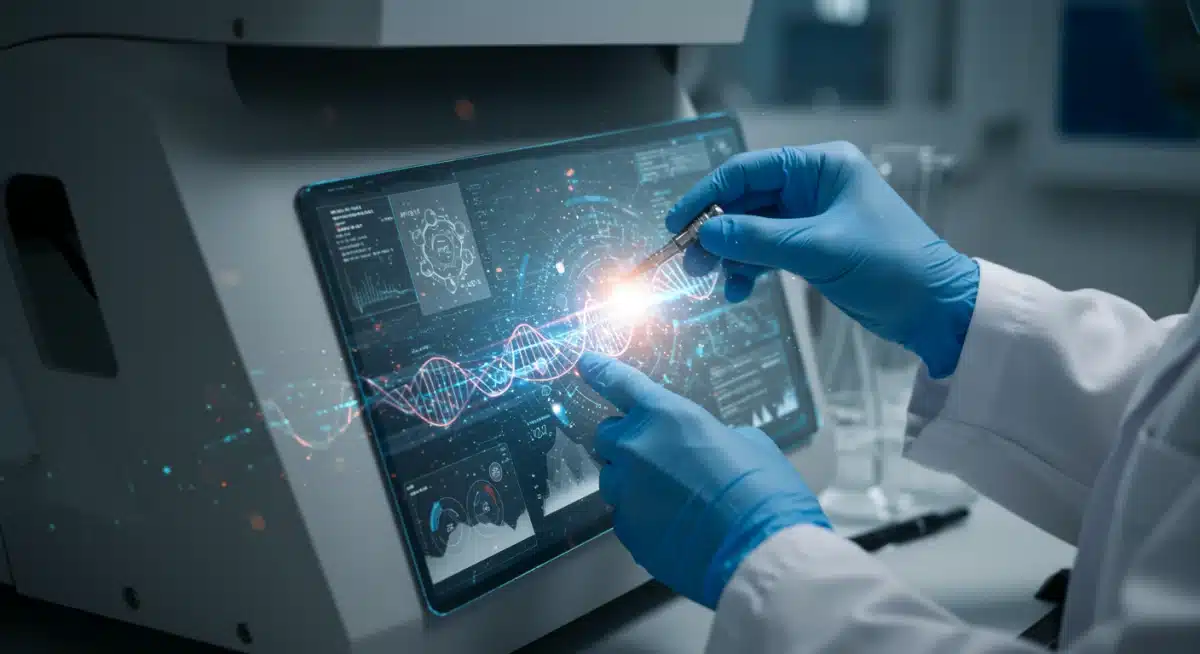
The integration of Artificial Intelligence (AI) and Machine Learning (ML) is no longer a futuristic concept but a present-day reality profoundly impacting the US Biotech Job Market. These technologies are dramatically accelerating drug discovery, optimizing clinical trial design, and enhancing diagnostic capabilities. AI algorithms can analyze massive datasets to identify potential drug candidates, predict their efficacy and toxicity, and even design novel molecules.
This trend is creating a high demand for professionals at the intersection of data science and biology. Data scientists with a strong background in life sciences, machine learning engineers specializing in bioinformatics, and computational chemists are becoming indispensable. These roles involve developing and deploying AI models, managing large biological datasets, and interpreting complex computational results to guide experimental research.
AI’s role extends beyond the initial discovery phase. In clinical development, AI can help identify suitable patient cohorts for trials, monitor patient responses, and even predict potential adverse events, making trials more efficient and cost-effective. This creates opportunities for clinical data scientists, biostatisticians with AI expertise, and AI project managers within pharmaceutical and biotech companies.
Furthermore, AI-powered diagnostic tools are transforming pathology and radiology, leading to earlier and more accurate disease detection. This area requires experts in medical imaging analysis, computer vision, and AI-driven diagnostics. The ethical implications of AI in healthcare, particularly regarding data privacy and algorithmic bias, also highlight the need for professionals with expertise in AI ethics and regulatory compliance.
Companies are actively seeking individuals who can bridge the gap between biological expertise and advanced computational methods. This means that traditional biotech roles are evolving to require a stronger computational skill set, and data science roles are increasingly needing a foundational understanding of biology and chemistry. Continuous upskilling in AI and ML will be crucial for career advancement in this evolving landscape.
Trend 3: The Rise of Biomanufacturing and Advanced Bioprocessing
As the biotech pipeline matures and more complex biological drugs, vaccines, and gene therapies receive approval, the need for robust and scalable biomanufacturing capabilities is escalating. This trend is a significant driver in the US Biotech Job Market, creating a surge in demand for professionals in bioprocess development, manufacturing, and quality control.
Advanced bioprocessing techniques, including continuous manufacturing, single-use technologies, and cell-free protein synthesis, are becoming more prevalent. These innovations aim to increase efficiency, reduce costs, and enhance the flexibility of production. Consequently, there’s a strong demand for bioprocess engineers, fermentation scientists, upstream and downstream processing specialists, and manufacturing associates who are adept at these modern methods.
Quality assurance and quality control (QA/QC) are paramount in biomanufacturing, given the stringent regulatory requirements for biological products. This translates into a consistent need for QA/QC scientists, analytical chemists, and regulatory compliance specialists who can ensure products meet the highest standards of safety and efficacy. Professionals with expertise in Good Manufacturing Practices (GMP) and other relevant regulations are particularly valuable.
The expansion of biomanufacturing facilities across the US, often in new geographic clusters, is also creating roles related to facility design, equipment validation, and supply chain management. Supply chain professionals with an understanding of cold chain logistics and the specific requirements for biological products are increasingly sought after.
Furthermore, automation and digitalization are transforming biomanufacturing plants into smart factories. This calls for professionals with skills in process automation, industrial control systems, and data analytics to optimize production processes and troubleshoot issues in real-time. The convergence of engineering, biology, and digital technologies is creating exciting career paths for those with multidisciplinary expertise.
Trend 4: Growing Emphasis on Sustainability and Green Biotechnology
Sustainability is no longer a niche concern but a core principle influencing various industries, and biotechnology is no exception. The US Biotech Job Market in 2026 will see a growing emphasis on green biotechnology, focusing on developing environmentally friendly processes and products. This trend is driven by increasing environmental awareness, regulatory pressures, and a desire for more sustainable solutions across sectors, from agriculture to industrial production.
Green biotechnology leverages biological processes to develop renewable energy sources, create biodegradable materials, reduce pollution, and improve agricultural yields with minimal environmental impact. This area is generating demand for professionals with expertise in industrial microbiology, biochemical engineering, environmental science, and sustainable agriculture.
Specific roles include scientists developing biofuels, bioplastics, and bio-based chemicals. There’s a need for researchers working on enzymatic processes that reduce energy consumption and waste, and for those focused on bioremediation techniques to clean up contaminated sites. Agricultural biotechnology, in particular, is experiencing growth, with demand for plant geneticists, crop scientists, and biotechnologists focused on developing resilient and nutritious crops.
Companies are also seeking sustainability officers and environmental compliance specialists within biotech, who can guide organizations in adopting greener practices and meeting environmental regulations. This involves assessing the environmental footprint of biotech processes, implementing waste reduction strategies, and promoting circular economy principles.
The intersection of biotechnology and climate change solutions is a particularly hot area. Professionals working on carbon capture technologies, sustainable protein production, and novel approaches to waste valorization will find significant opportunities. This trend highlights a shift towards a more holistic view of biotechnology’s role in society, extending beyond human health to encompass planetary well-being.

Trend 5: Expansion of Digital Health and Bioinformatics
The digital transformation of healthcare, accelerated by recent global events, is profoundly impacting the US Biotech Job Market. Digital health, encompassing mobile health (mHealth), health information technology (IT), wearable devices, telehealth, and personalized medicine, is creating a wealth of new opportunities. Bioinformatics, the application of computational techniques to analyze biological data, is at the core of this expansion.
The sheer volume of data generated in biological research and clinical practice requires sophisticated tools and skilled professionals to manage, analyze, and interpret it. This drives demand for bioinformaticians, data scientists, software engineers with a biological background, and health IT specialists. These professionals are crucial for developing databases, creating analytical pipelines, and building user-friendly interfaces for clinicians and researchers.
Wearable technologies and remote monitoring devices are generating real-time health data, which needs to be integrated, processed, and translated into actionable insights. This creates roles for biomedical engineers specializing in sensor technology, data architects, and user experience (UX) designers focused on health applications.
Telehealth platforms continue to expand, requiring robust IT infrastructure and professionals skilled in cybersecurity to protect sensitive patient data. The regulatory landscape around digital health is also evolving, creating a need for legal and regulatory experts who understand both technology and healthcare compliance.
Furthermore, the development of sophisticated diagnostic algorithms and predictive models based on large patient datasets is a key area of growth. This requires expertise in statistical modeling, machine learning, and clinical informatics. The ability to communicate complex data insights effectively to non-technical stakeholders, such as clinicians and pharmaceutical executives, is also a highly valued skill.
The convergence of biology, technology, and healthcare delivery means that professionals who can bridge these disciplines will be in high demand. Continuous learning in areas like cloud computing, data visualization, and cybersecurity will be vital for staying competitive in this rapidly expanding segment of the biotech market.
Key Skills for Success in the 2026 US Biotech Job Market
To thrive in the evolving US Biotech Job Market, professionals must cultivate a blend of scientific expertise, technical proficiency, and soft skills. Beyond specific scientific disciplines, several overarching skills will be critical for success:
- Data Literacy and Analytics: The ability to understand, interpret, and work with large and complex datasets is paramount. This includes familiarity with statistical software, programming languages like Python or R, and data visualization tools.
- Computational Skills: Proficiency in bioinformatics tools, machine learning algorithms, and computational modeling is increasingly essential, even for traditional wet-lab scientists.
- Interdisciplinary Collaboration: Biotech projects are inherently multidisciplinary, requiring effective collaboration with experts from diverse fields such as engineering, computer science, medicine, and business.
- Adaptability and Continuous Learning: The pace of innovation in biotech is relentless. Professionals must be agile, open to new technologies, and committed to lifelong learning to stay relevant.
- Problem-Solving and Critical Thinking: The ability to identify complex problems, design innovative solutions, and critically evaluate data is fundamental to scientific advancement.
- Communication Skills: Clearly articulating scientific findings, collaborating with team members, and presenting research to diverse audiences (including non-scientists) are crucial for career progression.
- Regulatory Knowledge: Understanding the regulatory landscape (e.g., FDA guidelines, GMP) is vital for roles in R&D, manufacturing, and clinical trials.
- Ethical Awareness: As biotech pushes ethical boundaries, a strong understanding of bioethics and responsible innovation is increasingly important.
Developing these skills through formal education, online courses, workshops, and practical experience will significantly enhance a professional’s prospects in the competitive US biotech job market.
Navigating Career Paths and Opportunities
The expanding US Biotech Job Market offers a multitude of career paths. For those just starting, internships, postdoctoral positions, and entry-level research roles provide invaluable experience. Networking within industry associations, attending scientific conferences, and leveraging online professional platforms are crucial for discovering opportunities and making connections.
Experienced professionals can look for opportunities in leadership, project management, and specialized technical roles. The demand for experienced scientists and engineers who can lead teams, manage complex projects, and drive innovation is consistently high. Lateral moves into areas like business development, intellectual property, or scientific writing also represent viable career transitions for those with a strong scientific background.
The entrepreneurial spirit is also strong in biotech. Many professionals choose to join startups or even found their own companies, particularly in areas like personalized medicine or digital health where innovation is rapid and capital investment is available. This path requires not only scientific acumen but also business savvy, fundraising skills, and a strong vision.
Geographically, while traditional hubs remain strong, exploring opportunities in emerging biotech clusters can offer less competition and potentially a lower cost of living. States like North Carolina, Maryland, and Texas are seeing significant growth in their biotech sectors, providing alternative locations for career development.
The Impact of Global Factors on the US Biotech Job Market
While the focus is on the US biotech job market, it’s impossible to ignore the influence of global factors. International collaborations in research, global supply chains for raw materials and finished products, and the worldwide spread of diseases all impact the domestic market. For instance, global health crises can redirect research priorities and funding, creating new areas of focus and demand for specific skill sets.
Competition for talent is also global. The US remains a magnet for top scientific talent, but other countries are rapidly developing their biotech capabilities, potentially increasing international competition for certain roles. Professionals with international experience or language skills may find themselves at an advantage in this interconnected world.
Trade policies and intellectual property rights agreements between countries also play a role in the commercialization of biotech products, affecting market access and profitability, which in turn influences investment and job creation within the US. Staying informed about these broader geopolitical and economic trends is part of strategic career planning in the biotech sector.
Conclusion: A Future of Growth and Innovation
The US Biotech Job Market in 2026 is poised for continued robust growth, driven by groundbreaking scientific discoveries, technological integration, and an increasing focus on human health and environmental sustainability. Personalized medicine, AI-driven drug discovery, advanced biomanufacturing, green biotechnology, and the expansion of digital health are not merely buzzwords but powerful forces shaping the industry and creating diverse career opportunities.
For professionals, success in this dynamic environment hinges on a commitment to continuous learning, the development of interdisciplinary skills, and an adaptability to rapid change. By understanding these key trends and proactively acquiring the necessary competencies, individuals can position themselves for rewarding and impactful careers in a sector that promises to redefine the future of health and beyond.
Whether you’re a seasoned scientist, a recent graduate, or looking to transition into biotech, the opportunities are vast. The key is to stay informed, build a strong network, and embrace the exciting challenges and innovations that define the modern US biotech job market. The future of biotechnology is bright, and those who are prepared will be at the forefront of its most significant advancements.