Biotech Regulatory Panels 2026: Key Updates & Missed Insights

The biotechnology landscape is a dynamic and ever-evolving frontier, driven by groundbreaking scientific discoveries and the urgent need for innovative medical solutions. However, innovation in biotech is inextricably linked to robust regulatory frameworks designed to ensure safety, efficacy, and ethical conduct. For industry professionals, investors, and researchers alike, staying abreast of the latest biotech regulatory updates is not merely beneficial; it is absolutely critical.
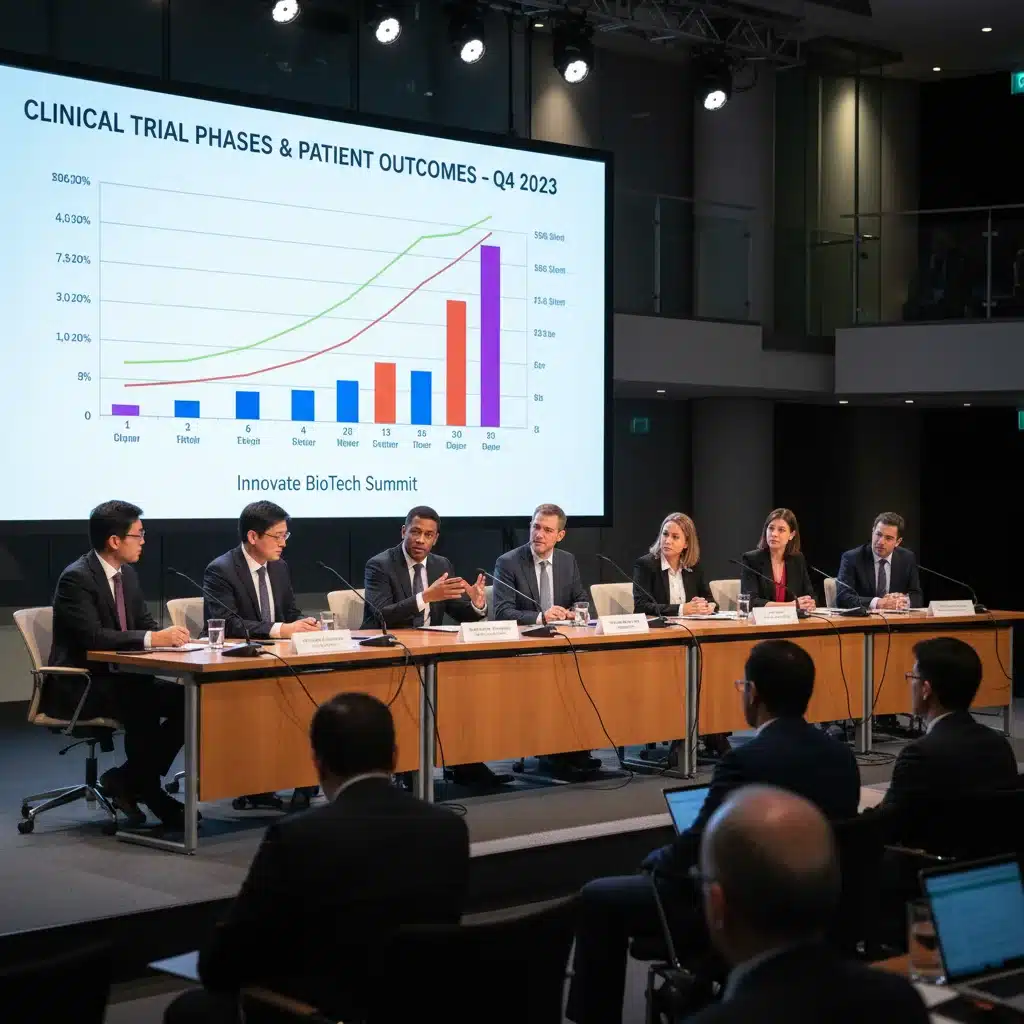
The latter half of 2026 was a particularly vibrant period for major US biotech events, hosting numerous regulatory panels that delved into the intricacies of new guidelines, emerging technologies, and the future direction of biotech oversight. These discussions often serve as early indicators of upcoming policy shifts, offering invaluable insights into the challenges and opportunities that lie ahead. If you weren’t able to attend every session, or if you’re looking for a consolidated overview, this comprehensive article is designed to catch you up on everything you might have missed.
We’ll unpack the most significant discussions, highlight key takeaways, and analyze the potential impact of these regulatory insights on various sectors within biotechnology. From advanced gene therapies to the burgeoning field of AI-driven drug discovery, the regulatory environment is adapting, and understanding these adaptations is paramount for success in the biotech arena.
Navigating the Evolving Landscape of Gene and Cell Therapies: A Regulatory Deep Dive
One of the most intensely scrutinized areas in recent biotech regulatory updates has been gene and cell therapies. The rapid pace of scientific advancement in this field presents unique challenges for regulatory bodies like the FDA, which must balance the imperative to bring life-saving treatments to patients with the need to ensure long-term safety and ethical considerations. The latter half of 2026 saw several high-profile panels dedicated to this very topic.
Key Discussions on Gene Therapy Approvals and Post-Market Surveillance
At the BioFuture Summit in September 2026, a prominent panel featuring FDA officials and industry leaders discussed strategies for streamlining the approval process for gene therapies without compromising patient safety. A recurring theme was the need for more adaptive clinical trial designs that can accommodate the often small patient populations and unique efficacy endpoints associated with these treatments. Experts emphasized the importance of early engagement with regulatory agencies to align on trial protocols and data requirements, potentially reducing review times.
Another significant point of discussion revolved around post-market surveillance. Given the novelty and potential long-term effects of gene therapies, robust pharmacovigilance systems are crucial. Panelists explored the implementation of real-world evidence (RWE) and advanced data analytics to monitor patient outcomes over extended periods. The challenge lies in developing standardized methodologies for RWE collection and analysis that can be consistently applied across diverse therapeutic areas and patient demographics. The FDA reiterated its commitment to working with developers to establish clear guidelines for these post-approval monitoring programs, recognizing the need for flexibility while maintaining rigorous oversight.
Addressing Manufacturing and Quality Control Challenges
The complexity of manufacturing gene and cell therapies was another focal point. Unlike traditional small-molecule drugs, these therapies involve intricate biological processes, often tailored to individual patients, which introduces significant quality control hurdles. A panel at the Cell & Gene Therapy Manufacturing & Commercialization conference in October 2026 extensively debated the regulatory expectations for Good Manufacturing Practice (GMP) in this specialized sector.
Topics included the standardization of analytical methods for product characterization, the management of starting materials, and the qualification of contract manufacturing organizations (CMOs). Regulators stressed the importance of robust process validation and comprehensive comparability studies when manufacturing processes are scaled up or transferred. The consensus was that while some flexibility is necessary due to the evolving nature of the science, core principles of quality by design and risk management must be rigorously applied. The FDA indicated a willingness to provide more explicit guidance on these manufacturing aspects, potentially through updated guidances or workshops, to help sponsors navigate these complexities more effectively.
The Rise of AI and Machine Learning in Drug Discovery: Regulatory Considerations
The integration of Artificial Intelligence (AI) and Machine Learning (ML) into drug discovery, development, and even clinical diagnostics has been a transformative force in biotech. However, this revolutionary technology also introduces new regulatory questions regarding data integrity, algorithm transparency, and bias. The latter half of 2026 saw a surge in regulatory discussions surrounding AI, reflecting its growing prominence.
Ensuring Data Integrity and Algorithm Transparency
At the AI in Pharma & Biotech Summit in November 2026, a pivotal panel session focused on the regulatory challenges of AI/ML-driven drug development. A primary concern for regulators is the ‘black box’ nature of some AI algorithms. How can regulatory agencies assess the safety and efficacy of a drug candidate identified or optimized by an AI system if the underlying decision-making process is opaque? The discussion highlighted the growing need for explainable AI (XAI) approaches, where the rationale behind an AI’s output can be understood and audited.
Regulators signaled that while they don’t necessarily require full transparency of proprietary algorithms, they do expect sponsors to provide sufficient documentation and validation data to demonstrate the algorithm’s reliability, robustness, and generalizability. This includes detailed information on the training data sets, validation methods, and performance metrics. The emphasis was on a ‘fit-for-purpose’ approach, where the level of transparency and validation required would depend on the specific application and its associated risks. These biotech regulatory updates are crucial for companies leveraging AI.
Addressing Bias and Ethical Implications of AI in Healthcare
Another critical area of concern was the potential for bias in AI algorithms, particularly those trained on limited or unrepresentative datasets. Bias in AI could lead to disparities in treatment efficacy or diagnosis across different demographic groups, exacerbating existing health inequities. A roundtable discussion at the Precision Medicine World Conference in December 2026 explored strategies for mitigating AI bias.
Experts and regulators discussed the importance of diverse and representative training data, rigorous testing for fairness, and continuous monitoring of AI models in real-world settings. The FDA expressed interest in developing frameworks or best practices for assessing and mitigating bias in AI-enabled medical devices and drug development tools. The ethical implications of AI in healthcare, including patient privacy and accountability for AI-driven decisions, were also touched upon, signaling a future need for more comprehensive ethical guidelines alongside technical regulations.
Biologics and Biosimilars: Maintaining Pace with Innovation and Access
The market for biologics continues to expand, and with it, the importance of biosimilars in enhancing patient access and reducing healthcare costs. Regulatory panels in the latter half of 2026 addressed both the challenges of developing novel biologics and the pathways for biosimilar approval, reflecting the ongoing evolution in this significant segment of the biotech industry.
Accelerating Novel Biologic Development and Approval
The Biologics & Biosimilars Congress in September 2026 featured extensive discussions on how to accelerate the development and approval of novel biologics, particularly those targeting rare diseases or areas of high unmet medical need. Regulatory flexibility, such as expedited review pathways (e.g., Breakthrough Therapy designation, Fast Track), was highlighted as crucial. However, regulators also underscored that flexibility does not equate to a lowering of standards. Instead, it requires more intensive and collaborative engagement between sponsors and the FDA from the earliest stages of development.
Panelists explored innovative clinical trial designs, such as adaptive trials and the use of surrogate endpoints, which can potentially shorten development timelines while still providing robust evidence of efficacy and safety. The importance of biomarker identification and qualification for targeted therapies was also a key theme, with regulators encouraging early dialogue to ensure biomarkers are appropriately validated for their intended use. These biotech regulatory updates are vital for emerging companies.
Streamlining Biosimilar Approvals and Addressing Interchangeability
For biosimilars, the focus remained on streamlining the approval process and clarifying the pathway for interchangeability designations. A dedicated panel at the Generics & Biosimilars Initiative (GaBI) Conference in October 2026 reviewed recent FDA guidance and industry experiences. While the biosimilar approval pathway is becoming more established, questions persist regarding the specific data requirements for demonstrating interchangeability, particularly concerning the need for switching studies.
Regulators acknowledged the industry’s desire for clearer, more predictable pathways and indicated ongoing efforts to provide further guidance. They emphasized that the decision for interchangeability is based on a comprehensive assessment of scientific evidence to ensure that a biosimilar can be substituted for the reference product without an increased risk or diminished efficacy. The discussions also touched upon the importance of physician and patient education to foster greater confidence and adoption of biosimilars, highlighting that regulatory clarity alone is not sufficient for market success.
Digital Health and Diagnostics: Regulatory Frameworks for a Connected Future
The convergence of healthcare with digital technologies has given rise to a new category of medical products: digital health tools and diagnostics. These include mobile medical apps, wearable sensors, and AI-powered diagnostic algorithms. Regulatory bodies are grappling with how to effectively oversee these rapidly evolving technologies, and the latter half of 2026 saw significant progress and discussion in this area.
Software as a Medical Device (SaMD) and Cybersecurity
At the Digital Health Summit in November 2026, a key panel addressed the regulatory framework for Software as a Medical Device (SaMD). Regulators emphasized a risk-based approach, where the level of regulatory scrutiny corresponds to the potential impact of the software on patient health. Discussions revolved around clarifying the distinction between general wellness apps and SaMDs, and the specific validation requirements for different risk classes.
Cybersecurity emerged as a paramount concern. As digital health devices become more interconnected, the risk of cyberattacks that could compromise patient data or device functionality increases. Panelists from the FDA and cybersecurity experts outlined expectations for robust cybersecurity measures throughout the product lifecycle, from design to post-market monitoring. This includes secure software development practices, vulnerability management, and clear incident response plans. The FDA indicated that cybersecurity will continue to be a high-priority area for future guidance and enforcement, making these biotech regulatory updates essential for developers.
Real-World Data (RWD) and Real-World Evidence (RWE) in Diagnostics
The potential of RWD and RWE to support the development and post-market evaluation of diagnostic tools was a recurring theme. A session at the Personalized Medicine & Diagnostics Symposium in December 2026 explored how RWD from electronic health records, claims data, and patient registries can be leveraged to validate diagnostic performance and monitor their effectiveness in diverse patient populations. Regulators highlighted the need for robust methodologies to ensure the reliability and generalizability of RWD used for regulatory submissions.
Challenges discussed included data quality, interoperability, and privacy concerns. The FDA expressed interest in developing pilot programs to explore the use of RWE for certain diagnostic clearances or modifications, aiming to create more efficient pathways while maintaining scientific rigor. The discussions underscored a growing recognition that traditional clinical trial paradigms may not always be the most efficient or appropriate for all digital health and diagnostic innovations.

Global Harmonization and International Regulatory Collaborations
As biotech innovation transcends national borders, the need for international regulatory harmonization becomes increasingly critical. Regulatory panels in the latter half of 2026 frequently touched upon efforts to align regulatory standards and foster collaboration among global agencies, aiming to streamline development and market access for novel therapies worldwide.
ICH Guidelines and Bilateral Agreements
At the International Biotech Regulatory Affairs Conference in October 2026, representatives from the FDA, EMA (European Medicines Agency), and PMDA (Pharmaceuticals and Medical Devices Agency of Japan) discussed the ongoing impact and future directions of the International Council for Harmonisation of Technical Requirements for Pharmaceuticals for Human Use (ICH) guidelines. These guidelines play a crucial role in standardizing various aspects of drug development, from quality to clinical safety, across major regulatory jurisdictions.
Panelists highlighted recent updates to ICH guidelines, particularly those related to novel manufacturing technologies and the use of decentralized clinical trials. The discussions also emphasized the importance of bilateral agreements and mutual recognition agreements between regulatory bodies, which can facilitate the acceptance of inspection findings and reduce redundant regulatory burdens for companies operating globally. The goal is to create a more predictable and efficient global regulatory environment, which is a significant aspect of biotech regulatory updates.
Addressing Global Health Challenges Through Collaboration
Beyond technical harmonization, international regulatory panels also focused on collaborative efforts to address global health challenges, such as pandemic preparedness and neglected tropical diseases. A joint session involving regulatory leaders from several countries at the Global Health & Biotech Innovation Forum in November 2026 explored mechanisms for rapid regulatory review and approval of emergency medical countermeasures.
The discussions reinforced the lessons learned from recent global health crises, emphasizing the need for flexible regulatory pathways, data sharing agreements, and coordinated scientific advice across jurisdictions. The overarching message was that global challenges require global solutions, and regulatory collaboration is a cornerstone of effective international responses. This proactive approach to global health is shaping future biotech regulatory updates.
The Future Outlook: Preparing for What’s Next in Biotech Regulation
The regulatory landscape for biotechnology is a continuous work in progress, constantly adapting to scientific breakthroughs and societal needs. The insights gleaned from the regulatory panels of late 2026 offer a clear glimpse into the future priorities and challenges for the industry.
Anticipating New Regulatory Frameworks for Emerging Technologies
Looking ahead, we can anticipate the development of more specific regulatory frameworks for technologies that are currently in their nascent stages but show immense promise. This includes areas such as advanced regenerative medicine products, synthetic biology, and even brain-computer interfaces. Regulators are proactively engaging with scientific communities to understand these technologies, aiming to develop guidelines that foster innovation while ensuring public safety. Companies operating at the cutting edge of these fields should prioritize early and frequent communication with regulatory agencies to help shape these evolving frameworks.
Emphasis on Patient-Centricity and Patient Engagement
A growing trend across all regulatory discussions was the increasing emphasis on patient-centricity. Regulatory bodies are actively seeking ways to incorporate patient perspectives into the drug development and review process, from clinical trial design to post-market monitoring. This includes patient-reported outcomes (PROs), patient advisory committees, and public workshops to gather input on unmet medical needs and acceptable risk-benefit profiles. Future biotech regulatory updates are likely to reflect this continued shift towards more inclusive and patient-informed decision-making.
The Interplay of Science, Ethics, and Policy
Finally, the panels underscored the complex interplay between scientific advancement, ethical considerations, and public policy. As biotech pushes the boundaries of what’s possible, questions of equitable access, responsible innovation, and societal impact will become even more prominent. Regulatory bodies are not just gatekeepers of safety and efficacy; they are also stewards of public trust and ethical conduct. Navigating this intricate balance will require ongoing dialogue, adaptability, and a commitment to transparency from all stakeholders.
Conclusion: Staying Ahead in a Regulated Industry
The latter half of 2026 provided a wealth of critical biotech regulatory updates from major US events. From the meticulous oversight of gene and cell therapies to the ethical considerations of AI in drug discovery, and from the nuances of biologics and biosimilars to the evolving frameworks for digital health, the regulatory landscape is multifaceted and constantly in motion.
For any organization or individual involved in biotechnology, staying informed about these developments is not just a best practice; it is a fundamental requirement for navigating the industry successfully. The discussions and insights from these panels offer a roadmap for future strategic planning, R&D investments, and regulatory engagement. By understanding the FDA’s priorities, anticipating emerging challenges, and embracing collaborative approaches, the biotech community can continue to innovate responsibly and bring transformative therapies to patients worldwide.
Keep these key takeaways in mind as you plan your next steps, and remember that proactive engagement with regulatory science will be your strongest asset in the dynamic world of biotechnology.