Maximize ROI at BIO International 2025: US Biotech Strategies
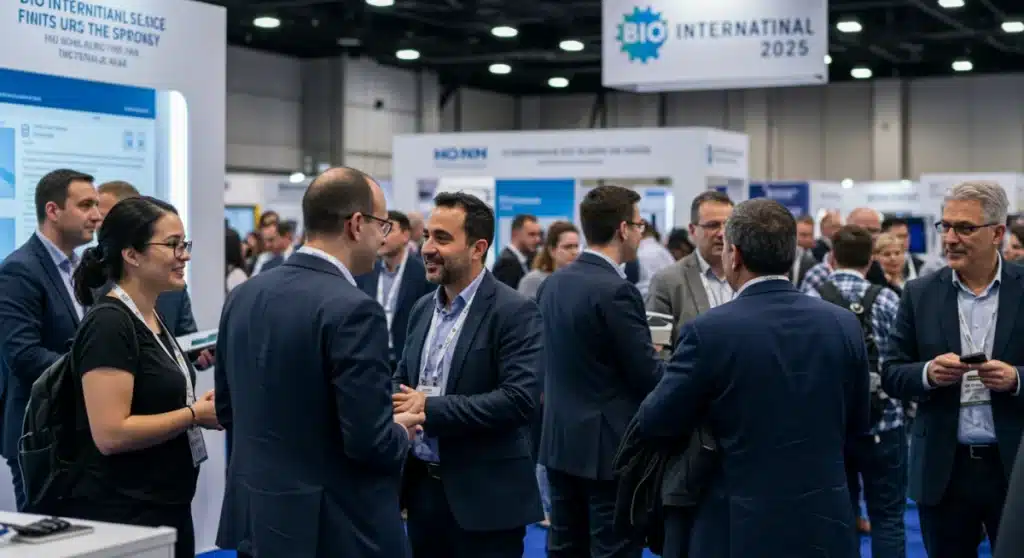
US biotech firms can maximize their return on investment at BIO International 2025 by implementing focused pre-event planning, strategic networking, effective pitching, and post-event follow-up to convert connections into tangible business outcomes.
For US biotech firms, attending BIO International 2025 represents a significant investment of time and resources. The goal is clear: to achieve a substantial return on that investment. This article explores Maximizing ROI at BIO International 2025: Practical Strategies for US Biotech Firms (PRACTICAL SOLUTIONS), offering actionable insights to transform participation into tangible success.
Strategic Pre-Event Planning for Impact
Effective engagement at BIO International 2025 begins long before the event doors open. A well-crafted pre-event strategy is the cornerstone of maximizing your firm’s return on investment. This involves meticulous research, clear objective setting, and precise scheduling to ensure every interaction counts.
Before stepping foot into the convention center, US biotech firms should identify their primary goals. Are you seeking funding, potential partners for drug development, licensing opportunities, or simply market intelligence? Defining these objectives will guide all subsequent planning and execution.
Identifying Key Targets and Opportunities
Pinpointing the right individuals and organizations is crucial. Leverage the event’s attendee list and partnering platforms to research potential collaborators, investors, and thought leaders. Look beyond the obvious; sometimes, the most valuable connections come from unexpected places within the ecosystem.
- Research potential partners and investors thoroughly.
- Utilize BIO’s One-on-One Partnering system effectively.
- Identify sessions and speakers relevant to your firm’s interests.
Once targets are identified, craft compelling introductory messages. These messages should be concise, highlight your firm’s unique value proposition, and clearly state your objective for meeting. Remember, everyone at BIO is busy, so respect their time with direct and valuable communication.
The pre-event phase is not merely administrative; it’s a strategic undertaking that sets the stage for all subsequent success. By meticulously planning and targeting, US biotech firms can ensure they enter BIO International 2025 with a clear roadmap for achieving their ROI objectives.
Mastering the One-on-One Partnering System
The One-on-One Partnering system is arguably the most valuable tool BIO International offers for generating ROI. It’s a sophisticated platform designed to facilitate targeted meetings between companies, investors, and researchers. Mastering its use is paramount for US biotech firms.
This system allows you to schedule meetings in advance, ensuring that your time at the conference is spent productively. It’s not just about sending out meeting requests; it’s about strategizing who you want to meet and why, and then compelling them to accept your invitation.
Crafting Engaging Meeting Requests
Your meeting request is your first impression. It needs to be precise, engaging, and highlight mutual benefit. Avoid generic messages; instead, tailor each request to the specific company or individual, referencing their work or interests. What problem can your firm solve for them?
- Personalize every meeting request.
- Clearly state the value proposition for the potential partner.
- Be concise and respect their time.
Don’t be discouraged by initial rejections. Persistence, coupled with a willingness to refine your approach, can often turn a ‘no’ into a ‘yes.’ Follow up strategically, perhaps with a slightly different angle or an offer to share specific data that might pique their interest. The goal is to secure quality meetings, not just a high volume.
Effective use of the partnering system can significantly elevate your firm’s visibility and lead to meaningful discussions that would be impossible to arrange otherwise. Treat it as a critical business development tool, not just a scheduling utility.
Optimizing Your Pitch and Presentation
Once meetings are secured, the focus shifts to delivering an impactful pitch. Whether it’s a formal presentation or an informal chat, your message needs to be clear, compelling, and tailored to your audience. This is where US biotech firms can truly shine and demonstrate their potential.
Every interaction is an opportunity to tell your story and articulate your value. Understand the background and interests of the person you’re speaking with. Adapt your pitch to resonate with their specific needs, whether they are an investor looking for market disruption or a pharmaceutical company seeking novel therapeutics.
Key Elements of a Powerful Pitch
A strong pitch is more than just a recitation of facts. It tells a story, highlights a problem, presents your unique solution, and demonstrates its market potential. Practice is essential to deliver your message confidently and concisely.
- Clearly articulate the problem your firm addresses.
- Present your unique solution and its scientific basis.
- Highlight market opportunity and competitive advantages.
- Showcase your team’s expertise and track record.
Be prepared for questions and challenges. Anticipate potential objections and have well-reasoned responses ready. Transparency about risks, coupled with a clear mitigation strategy, can build trust and credibility. Remember, investors and partners are looking for both opportunity and calculated risk management.
Your presentation materials should be visually appealing and easy to understand, even for those outside your immediate scientific discipline. Focus on high-level takeaways rather than overwhelming detail, saving the deeper dive for follow-up discussions.
Strategic Networking Beyond Scheduled Meetings
While one-on-one meetings are crucial, much of BIO International’s value lies in the serendipitous connections made outside formal settings. Strategic networking, even during coffee breaks or receptions, can significantly enhance your ROI.
These informal interactions often lead to unexpected opportunities, from introductions to key opinion leaders to discovering new market trends. US biotech firms should encourage their teams to be approachable, curious, and ready to engage in meaningful conversations.

Prepare a concise ‘elevator pitch’ – a 30-second summary of what your firm does and why it matters. This allows you to quickly convey your value and pique interest in casual encounters. Always have business cards readily available.
Maximizing Informal Interactions
Don’t just attend sessions; actively participate. Ask insightful questions, engage with speakers, and connect with fellow attendees after presentations. These interactions can open doors to valuable insights and future collaborations.
- Attend relevant panel discussions and Q&A sessions.
- Participate in networking receptions and social events.
- Be open to spontaneous conversations and introductions.
The exhibit hall is another prime networking venue. Even if you’re not exhibiting, walking the floor allows you to gauge industry trends, observe competitors, and initiate conversations with companies that align with your strategic goals. Approach booths with a clear purpose and a genuine interest in learning.
Remember that every person you meet is a potential connection. Cultivate a mindset of curiosity and collaboration, and you’ll find that valuable opportunities emerge from the most unexpected places at BIO International.
Leveraging Thought Leadership and Exposure
For US biotech firms, BIO International 2025 offers a powerful platform to establish or enhance their thought leadership. Beyond direct business development, demonstrating expertise and contributing to industry discourse can significantly boost your firm’s reputation and long-term ROI.
This involves more than just attending; it means actively participating in the intellectual exchange that defines the event. Thought leadership can attract higher-quality partners, investors, and even talent, creating a ripple effect that extends well beyond the conference.
Opportunities for Visibility and Influence
Are there opportunities for your firm’s executives to speak on panels, present scientific posters, or participate in innovation showcases? Aligning with these opportunities can position your company at the forefront of industry discussions.
- Seek speaking engagements or panel participation.
- Present research posters or participate in innovation challenges.
- Engage with industry media and reporters.
Social media also plays a critical role. Live-tweeting key insights from sessions, sharing your firm’s perspectives, and engaging with other attendees online can amplify your presence. Use relevant hashtags and tag key individuals or organizations to extend your reach.
By actively contributing to the intellectual capital of BIO International, your firm not only gains visibility but also demonstrates its commitment to advancing the biotech landscape. This strategic positioning can lead to invaluable connections and future opportunities that might not arise from direct partnering alone.
Post-Event Follow-Up and Relationship Nurturing
The true ROI from BIO International 2025 is often realized in the weeks and months following the event. A robust post-event follow-up strategy is essential to convert initial connections into lasting relationships and tangible business outcomes. Many firms falter at this stage, losing the momentum gained at the conference.
Immediately after the event, organize all your contacts and meeting notes. Prioritize follow-ups based on perceived opportunity and next steps discussed. A timely and personalized follow-up can make all the difference, reinforcing your professionalism and commitment.
Converting Connections into Collaborations
Personalize every follow-up email, referencing specific details from your conversation. Reiterate the value proposition and propose concrete next steps, whether it’s a follow-up call, a data presentation, or a formal proposal. Avoid generic templates.
- Send personalized follow-up emails within 48 hours.
- Schedule next steps and formalize discussions.
- Maintain a CRM system to track interactions.
Relationship nurturing is an ongoing process. Stay in touch with key contacts, sharing relevant updates about your firm’s progress or industry insights. Building trust and rapport takes time, but it’s an investment that can yield significant long-term dividends. Consider scheduling quarterly check-ins with high-priority contacts.
The success of your BIO International 2025 participation hinges on your ability to transform initial interest into concrete partnerships and investments. A structured and persistent follow-up process is the bridge between a promising conversation and a successful collaboration.
| Key Strategy | Brief Description |
|---|---|
| Pre-Event Planning | Define clear objectives and research targets using partnering tools. |
| Partnering System Mastery | Craft personalized meeting requests to secure high-value connections. |
| Impactful Pitching | Deliver concise, value-driven presentations tailored to the audience. |
| Post-Event Follow-Up | Nurture relationships with timely, personalized communication for long-term ROI. |
Frequently Asked Questions About Maximizing BIO International ROI
Firms should ideally begin planning 3-4 months in advance. This allows ample time for objective setting, target identification, crafting compelling meeting requests through the One-on-One Partnering system, and securing desirable time slots with key contacts. Early preparation significantly impacts the quality of interactions.
The most effective approach involves thoroughly researching potential partners, personalizing every meeting request to highlight mutual benefit, and being persistent with follow-ups. Focus on quality over quantity, aiming for meetings that align directly with your strategic objectives and offer clear value to both parties.
Small firms can stand out by having a highly differentiated value proposition, a clear and compelling story, and by being exceptionally prepared for every interaction. Focus on niche expertise, innovative science, and demonstrate a strong understanding of market needs. Strategic networking and active participation in relevant sessions also help.
Common mistakes include lacking clear objectives, failing to use the partnering system effectively, delivering generic pitches, neglecting informal networking opportunities, and poor post-event follow-up. Avoid being reactive; instead, adopt a proactive, strategic approach to every aspect of your participation.
Beyond direct partnerships and investments, firms can gain significant ROI through market intelligence, competitive analysis, talent acquisition, enhanced brand visibility, and establishing thought leadership. These indirect benefits contribute to long-term growth and strategic positioning within the biotech ecosystem.
Conclusion
Maximizing ROI at BIO International 2025: Practical Strategies for US Biotech Firms (PRACTICAL SOLUTIONS) is not an elusive goal but a tangible outcome achievable through diligent planning and execution. From the initial stages of pre-event preparation to the crucial phase of post-conference follow-up, every step plays a vital role. By embracing strategic networking, refining your pitch, and leveraging opportunities for thought leadership, US biotech firms can transform their investment in BIO International into significant returns. The key lies in a proactive, personalized, and persistent approach, ensuring that every interaction contributes to the long-term success and growth of your enterprise within the dynamic biotech landscape.