FDA Fast Track Designation 2026: Biotech Startup Guide to Accelerate Drug Approval
Navigating FDA Fast Track Designation: A 2026 Guide for Biotech Startups to Accelerate Drug Approval by 12-18 Months
In the dynamic and highly competitive landscape of pharmaceutical innovation, time is a critical factor. For biotech startups, the journey from novel discovery to market availability can be fraught with lengthy regulatory hurdles and significant financial investment. The U.S. Food and Drug Administration (FDA) offers several programs designed to expedite this process for promising new therapies, and among the most impactful is the FDA Fast Track Designation. This guide, tailored for 2026 and beyond, aims to provide biotech startups with a comprehensive roadmap to understanding, applying for, and successfully leveraging FDA Fast Track status to potentially accelerate drug approval by 12 to 18 months or even more.
The promise of FDA Fast Track is not merely about speed; it’s about addressing unmet medical needs with urgency. For startups, gaining this designation can be a game-changer, attracting investors, streamlining development, and ultimately bringing life-saving treatments to patients faster. But what exactly does it entail, and how can your startup position itself for success in 2026?
Understanding FDA Fast Track Designation: The Basics for 2026
The FDA Fast Track Designation was established under the FDA Modernization Act of 1997. Its primary purpose is to facilitate the development and expedite the review of drugs intended to treat serious or life-threatening conditions and that demonstrate the potential to address an unmet medical need. This dual criterion is fundamental to eligibility and forms the bedrock of any successful application.
What Constitutes a ‘Serious Condition’?
The FDA defines a serious condition as a disease or condition associated with morbidity that has substantial impact on day-to-day functioning. Short-lived and self-limiting illnesses are generally excluded. Examples include cancer, HIV/AIDS, Alzheimer’s disease, heart failure, cystic fibrosis, and many rare diseases. For 2026, the FDA continues to emphasize conditions with significant public health impact, including emerging infectious diseases and conditions with high mortality or severe long-term disability.
What Defines an ‘Unmet Medical Need’?
An unmet medical need exists when there is no satisfactory alternative therapy available, or when the new therapy offers a significant improvement over existing treatments. This can manifest in several ways:
- No available therapy for the condition.
- The new drug shows superior efficacy to existing treatments.
- The new drug offers a better safety profile or reduces significant toxicities compared to available therapies.
- It prevents irreversible morbidity or mortality.
- It improves the diagnosis of a serious condition where early diagnosis leads to improved outcomes.
- It treats a serious condition in a patient population for which existing therapies are inadequate.
For biotech startups in 2026, demonstrating an unmet medical need requires robust data and a clear understanding of the current therapeutic landscape. This involves thorough market research, competitive analysis, and compelling preclinical or early clinical data illustrating the potential advantage of your candidate drug.
The Strategic Advantages of FDA Fast Track for Biotech Startups
Beyond the inherent prestige, FDA Fast Track designation offers tangible benefits that can dramatically alter a startup’s trajectory:
- Frequent Interactions with the FDA: This is arguably the most significant advantage. Fast Track allows for more frequent and early communication with the FDA throughout the entire drug development and review process. This includes pre-IND meetings, end-of-Phase 1 meetings, and pre-NDA/BLA meetings, where critical feedback and guidance can be obtained, reducing the likelihood of costly delays due to misinterpretations or unforeseen regulatory requirements.
- Eligibility for Accelerated Approval and Priority Review: While not guaranteed, Fast Track designation makes a drug candidate eligible for other expedited programs. Accelerated Approval allows for approval based on a surrogate endpoint (a biomarker or clinical measure that is thought to predict clinical benefit) rather than a definitive clinical endpoint, provided confirmatory trials are underway. Priority Review, if granted, aims for a 6-month review period for a New Drug Application (NDA) or Biologics License Application (BLA), compared to the standard 10-month review.
- Rolling Review: This permits a drug company to submit completed sections of its NDA or BLA for review before the entire application is complete. The FDA can begin reviewing the nonclinical, clinical, and manufacturing sections as they become available, rather than waiting for the entire package. This can shave months off the total review time.
- Enhanced Investor Appeal: Securing FDA Fast Track designation signals to investors that your therapeutic candidate has met critical FDA criteria for addressing serious conditions and unmet needs, validating its potential and de-risking the investment. This can be crucial for attracting further funding rounds.
- Competitive Edge: For conditions with multiple therapies in development, Fast Track can provide a significant competitive advantage by potentially bringing your drug to market faster.
Eligibility Criteria and Application Process in 2026
Successfully obtaining FDA Fast Track designation hinges on meeting the two core criteria: treating a serious condition and addressing an unmet medical need. The application process, while straightforward in its steps, requires meticulous preparation and strategic timing.
When to Apply for FDA Fast Track
The FDA encourages sponsors to request Fast Track designation early in the drug development process, ideally after an Investigational New Drug (IND) application has been submitted and initial clinical data (Phase 1) is available. However, requests can be submitted at any time during the development process up to the submission of a BLA or NDA.
For biotech startups in 2026, early engagement is key. Submitting a request shortly after filing your IND and demonstrating initial safety and some promising activity from early-phase trials often yields the best results. This allows your team to leverage the benefits of frequent FDA interaction throughout the most critical development phases.
Key Components of a Fast Track Designation Request
A comprehensive Fast Track application should include:
- Cover Letter: Clearly state the purpose of the submission and the designation being sought.
- Product Information: Detailed description of the drug, its mechanism of action, and intended use.
- Rationale for Serious Condition: Provide a thorough explanation and supporting evidence (epidemiological data, clinical impact) demonstrating that the disease or condition the drug treats is serious or life-threatening.
- Rationale for Unmet Medical Need: This is the most critical section. You must present compelling evidence that your drug addresses an unmet need. This includes:
- A comprehensive review of existing therapies and their limitations.
- Preclinical data demonstrating strong evidence of therapeutic potential.
- Early clinical data (Phase 1 or early Phase 2) showing promising activity and a favorable safety profile. This data is paramount in 2026, as the FDA increasingly relies on early human data to assess potential.
- A clear explanation of how your drug offers a significant advantage over existing treatments (e.g., improved efficacy, safety, patient convenience, or ability to treat a population not adequately served).
- Development Plan: A brief outline of the proposed clinical development plan, including study designs and timelines.
- References: All supporting literature and data should be cited.
The FDA aims to respond to Fast Track designation requests within 60 calendar days of receipt. A ‘yes’ means your drug has been granted the designation. A ‘no’ will typically come with an explanation of why the criteria were not met, which can be useful for future submissions or adjustments to your development plan.
Strategic Considerations for Biotech Startups in 2026
Beyond the formal application, several strategic considerations can significantly enhance a biotech startup’s chances of securing and maximizing the benefits of FDA Fast Track designation.
Data Quality and Presentation
In 2026, the FDA places immense value on the quality and integrity of data. Ensure all preclinical and clinical data are meticulously collected, analyzed, and presented. Clear, concise, and well-organized data packages are more likely to be reviewed favorably. Invest in robust statistical analysis and consider engaging with experienced medical writers to craft a compelling narrative for your application.
For early-stage startups, even limited but high-quality data from proof-of-concept studies can be powerful. Focus on demonstrating a clear biological rationale and early indicators of efficacy and safety that align with addressing the serious condition and unmet need.
Engaging with the FDA Early and Often
One of the core advantages of Fast Track is enhanced communication. Biotech startups should proactively engage with the FDA. Schedule pre-IND meetings to discuss your development plan and seek feedback. Once Fast Track is granted, utilize the opportunities for frequent interactions to clarify regulatory expectations, discuss trial designs, and address potential issues before they become major roadblocks. This proactive approach can significantly de-risk your development program.
Building a Strong Regulatory Team
Navigating the FDA’s regulatory landscape requires specialized expertise. For startups, this often means building a team or engaging consultants with deep experience in regulatory affairs, clinical development, and FDA interactions. A skilled regulatory team can help craft a compelling Fast Track application, manage FDA communications, and ensure compliance throughout the development process. In 2026, the complexity of regulatory pathways, especially for novel modalities like gene therapies or AI-driven diagnostics, makes this expertise more critical than ever.
Understanding and Leveraging Biomarkers
The FDA increasingly encourages the use of validated biomarkers, especially for conditions where clinical endpoints are challenging to measure or take a long time to manifest. For Fast Track applications, identifying and validating biomarkers that can serve as surrogate endpoints can strengthen your case for addressing an unmet medical need and potentially qualify your drug for Accelerated Approval. This is a critical area for innovation in 2026, with advancements in genomics, proteomics, and digital health offering new opportunities for biomarker discovery.
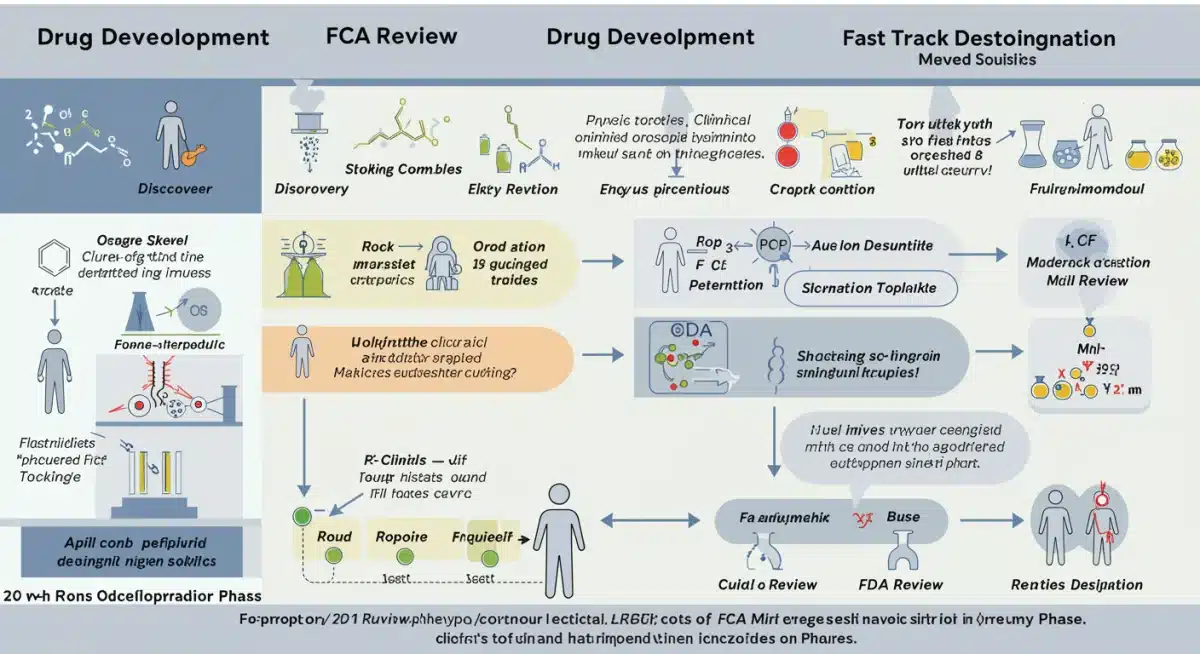
This infographic visually represents how Fast Track designation streamlines the drug development timeline, particularly impacting the clinical trial and FDA review phases, which are traditionally the longest. For biotech startups, understanding this acceleration is key to strategic planning.
Patient Advocacy and Engagement
For drugs treating serious conditions, involving patient advocacy groups can provide invaluable insights and strengthen your application. Demonstrating a clear understanding of the patient perspective and how your drug addresses their needs can resonate strongly with the FDA. Patient input can also inform trial design and endpoint selection, further aligning your development program with regulatory expectations and patient priorities.
Common Pitfalls to Avoid in 2026
While FDA Fast Track offers significant benefits, several common mistakes can derail a startup’s application or undermine the designation’s value.
Insufficient Data to Support Unmet Need
The most frequent reason for denial is a failure to adequately demonstrate an unmet medical need. This isn’t just about stating there’s a need; it’s about providing robust, comparative data (where applicable) that shows your drug offers a meaningful advantage over existing therapies. Vague claims or a lack of compelling preclinical/early clinical data will likely result in rejection.
Poorly Organized or Incomplete Submissions
The FDA reviews numerous applications. Submissions that are difficult to navigate, contain errors, or are missing critical information can lead to delays or outright rejection. Ensure your application is well-structured, precise, and complete, adhering to all FDA guidance documents.
Misunderstanding FDA Expectations
Relying solely on internal interpretations of FDA guidance without external expert review or early FDA engagement can be costly. Regulatory requirements and expectations can evolve, and what was acceptable a few years ago might not be in 2026. Stay updated on the latest FDA guidance and consider seeking expert advice.
Lack of Strategic Planning Post-Designation
Gaining Fast Track is a significant achievement, but it’s just the beginning. Without a clear strategy to leverage the enhanced FDA interactions, rolling review, and potential for accelerated approval, the full benefits may not be realized. Plan how your team will utilize these opportunities to maintain momentum and avoid bottlenecks.
Overlooking Manufacturing and CMC Considerations
While Fast Track primarily focuses on clinical development, issues in Chemistry, Manufacturing, and Controls (CMC) can severely impact timelines. Even with expedited review, a drug cannot be approved without a robust and scalable manufacturing process that meets Good Manufacturing Practices (GMP) standards. Start planning your CMC strategy early, as deficiencies here can cause significant delays later in the process.
The Future of FDA Fast Track in 2026 and Beyond
The regulatory landscape is continuously evolving. In 2026, we anticipate continued emphasis from the FDA on:
- Real-World Evidence (RWE): The FDA is increasingly open to incorporating RWE to support regulatory decisions, particularly for post-market surveillance and sometimes even for supplemental indications. Biotech startups should consider how RWE can complement traditional clinical trial data.
- Digital Health Technologies (DHTs): As digital health tools become more sophisticated, their integration into clinical trials and patient monitoring will likely expand. The FDA is developing guidance around DHTs, and their appropriate use could further enhance the efficiency of drug development, particularly for endpoints related to patient functioning and quality of life.
- Personalized Medicine and Gene Therapies: For highly specialized and personalized treatments, the concept of ‘unmet medical need’ and ‘serious condition’ may be interpreted with nuances. Biotech startups in these areas should pay close attention to specific guidance documents related to these advanced therapeutic modalities.
- Global Harmonization: While FDA Fast Track is a U.S. program, understanding international regulatory trends and aligning development strategies with global standards can facilitate broader market access and potentially expedite approval in other regions.
Biotech startups should remain agile and adaptable, continuously monitoring FDA announcements and guidance documents to ensure their strategies are aligned with the agency’s evolving priorities.
Case Studies: Learning from Successes and Challenges
While specific company names are often confidential, numerous examples illustrate the impact of FDA Fast Track. For instance, many breakthrough cancer therapies and treatments for rare genetic diseases have benefited from Fast Track, leading to earlier patient access. These successes often share common threads:
- Clear, compelling preclinical data: Demonstrating a strong scientific rationale and early proof-of-concept.
- Robust early clinical data: Even small Phase 1 or 2 trials showing significant clinical benefit or a marked improvement over standard of care.
- Proactive and effective FDA communication: Leveraging every opportunity for interaction to clarify doubts and align on development pathways.
- A strong understanding of the unmet need: Articulating precisely how the new therapy addresses a significant gap in treatment.
Conversely, applications that fail often do so because the ‘unmet medical need’ is not sufficiently demonstrated, or the early data does not convincingly support the potential for a significant clinical benefit. Sometimes, drugs for conditions that already have several effective treatments may struggle to prove a ‘significant improvement’ unless the new drug offers a truly transformative advantage.
The Role of Regulatory Strategy in Startup Success
For a biotech startup, regulatory strategy isn’t an afterthought; it’s a foundational element of the business plan. Early consideration of expedited pathways like FDA Fast Track can:
- Shape Clinical Development: Influence trial design, endpoint selection, and patient population to best demonstrate the drug’s potential for addressing unmet needs.
- Optimize Resource Allocation: Direct limited startup resources towards activities that will most effectively support regulatory milestones.
- Enhance Valuation: A successful Fast Track designation can significantly increase a startup’s valuation, making it more attractive for partnerships, licensing deals, and acquisitions.
- Accelerate Time to Market: The ultimate goal, allowing the company to generate revenue faster and reinvest in further innovation.

This image captures the essence of a collaborative and strategic approach required for successful FDA submissions, highlighting the interdisciplinary teamwork necessary to navigate complex regulatory pathways.
Conclusion: Your Path to Expedited Drug Approval in 2026
For biotech startups with innovative therapies targeting serious conditions and addressing unmet medical needs, FDA Fast Track Designation represents a powerful tool to accelerate drug development and bring critical treatments to patients sooner. In 2026, success hinges on meticulous preparation, robust data, strategic engagement with the FDA, and a deep understanding of the evolving regulatory landscape.
By proactively planning your regulatory strategy, focusing on compelling data generation, and building a knowledgeable team, your startup can effectively navigate the Fast Track application process. The potential to shave 12-18 months off the drug approval timeline is not just a commercial advantage; it’s a profound opportunity to make a tangible difference in the lives of patients awaiting new therapeutic options. Embrace this guide as your compass to successfully navigating the FDA Fast Track program and realizing your drug’s full potential.