Virtual vs. In-Person Biotech Events 2026: The Ultimate Guide to Engagement

Virtual vs. In-Person Biotech Events 2026: The Ultimate Guide to Engagement
The biotechnology landscape is constantly evolving, and with it, the way professionals connect, collaborate, and disseminate groundbreaking research. As we look towards 2026, the discussion around the optimal format for biotech events continues to be a central topic. The choice between virtual and in-person gatherings is no longer a simple one; it’s a strategic decision that impacts everything from attendee engagement and networking opportunities to the accessibility and environmental footprint of the event. This comprehensive guide will dissect the nuances of both virtual and in-person biotech events 2026, offering insights into how to maximize engagement and ensure successful participation in a rapidly changing world.
The Evolution of Biotech Events: A Historical Context
For decades, in-person conferences were the undisputed gold standard for the biotech industry. These events provided invaluable platforms for face-to-face networking, spontaneous collaborations, and the palpable excitement of scientific discovery. The bustling exhibition halls, the hallway conversations, and the formal presentations all contributed to a rich, immersive experience. However, the global events of recent years dramatically accelerated the adoption of virtual formats, forcing the industry to adapt and innovate at an unprecedented pace. What began as a necessity quickly revealed a host of unexpected benefits, from increased accessibility to reduced environmental impact. Now, as we approach 2026, the industry is poised at an interesting crossroads, balancing the proven advantages of traditional gatherings with the newfound efficiencies and reach of digital platforms. The challenge for organizers and attendees alike is to understand how to leverage the best of both worlds to create truly impactful biotech events 2026.
In-Person Biotech Events 2026: Reclaiming the Human Connection
Despite the rise of virtual platforms, the unique value proposition of in-person biotech events 2026 remains undeniable. There’s a certain magic that happens when brilliant minds gather in a physical space, fostering connections that simply cannot be fully replicated online. Let’s delve into the core advantages:
Unparalleled Networking Opportunities
The serendipitous encounters at in-person events are often cited as their greatest strength. Bumping into a key opinion leader in the coffee line, striking up a conversation with a potential collaborator during a poster session, or engaging in a deep dive discussion over dinner – these organic interactions are the lifeblood of scientific progress. In 2026, organizers of in-person biotech events will be focusing on enhancing these opportunities through structured networking events, dedicated meeting spaces, and even AI-powered matchmaking to facilitate meaningful connections.
Immersive Learning and Scientific Exchange
Attending a presentation live, with the speaker’s energy and the audience’s collective focus, creates a more immersive learning experience. The ability to ask questions in real-time, engage in spirited debates, and participate in hands-on workshops provides a depth of understanding that is difficult to achieve virtually. Furthermore, the exhibition halls at in-person biotech events 2026 offer a tactile experience, allowing attendees to physically interact with new technologies, see demonstrations, and engage directly with product specialists. This multi-sensory engagement enhances memory retention and comprehension.
Showcasing Innovation and Technology
For companies looking to launch new products or showcase cutting-edge technologies, in-person events offer an unparalleled platform. The ability to demonstrate complex machinery, elaborate scientific instruments, or innovative drug delivery systems in a live setting allows for immediate feedback, detailed explanations, and a more compelling presentation. This direct interaction is crucial for building trust and generating excitement around new advancements in biotechnology.
Building Community and Culture
Beyond the scientific exchange, in-person biotech events play a vital role in fostering a sense of community within the industry. These gatherings provide a space for professionals to reconnect with peers, celebrate achievements, and collectively envision the future of biotechnology. The shared experience of attending a conference, exploring a new city, and participating in social events strengthens professional bonds and contributes to a vibrant industry culture.
Challenges of In-Person Biotech Events in 2026
While the benefits are clear, in-person events also come with their own set of challenges, which will continue to be relevant in 2026:
Cost and Logistics
Attending in-person biotech events can be expensive, involving travel, accommodation, registration fees, and time away from the lab or office. For smaller companies, startups, or researchers with limited funding, these costs can be prohibitive. Logistically, coordinating travel and schedules for a large team can also be complex and time-consuming.
Geographical Limitations
By their very nature, in-person events exclude individuals who cannot travel due to geographical barriers, visa restrictions, health concerns, or family commitments. This limits the diversity of attendees and speakers, potentially hindering the global exchange of ideas.
Environmental Impact
The carbon footprint associated with air travel, hotel stays, and event waste is a growing concern. As the biotech industry increasingly focuses on sustainability, the environmental impact of large-scale in-person gatherings will continue to be a consideration for organizers and attendees.
Virtual Biotech Events 2026: Expanding Reach and Accessibility
The rapid evolution of virtual event platforms has transformed the landscape, offering new avenues for engagement and participation. In 2026, virtual biotech events are expected to be even more sophisticated and user-friendly, addressing many of the limitations of their earlier iterations.
Enhanced Accessibility and Inclusivity
One of the most significant advantages of virtual biotech events 2026 is their unparalleled accessibility. They break down geographical and financial barriers, allowing a much broader and more diverse audience to participate. Researchers from developing countries, junior scientists with limited travel budgets, and individuals with disabilities can all engage with cutting-edge research and network with peers without leaving their homes or offices. This inclusivity enriches discussions and accelerates scientific progress by incorporating a wider range of perspectives.
Flexibility and Convenience
Virtual events offer a high degree of flexibility. Attendees can often access content on-demand, allowing them to tailor their schedules and revisit sessions at their convenience. This is particularly beneficial for professionals with demanding work schedules or those in different time zones. The elimination of travel time and associated stress makes participation more convenient and less disruptive to daily routines.
Data-Driven Insights and Analytics
Virtual platforms provide organizers with a wealth of data on attendee behavior, engagement levels, and popular sessions. This data can be invaluable for understanding audience preferences, measuring event success, and refining future event strategies. From tracking booth visits to session attendance and interaction rates, these analytics offer actionable insights that are difficult to obtain from in-person events.
Innovative Engagement Tools
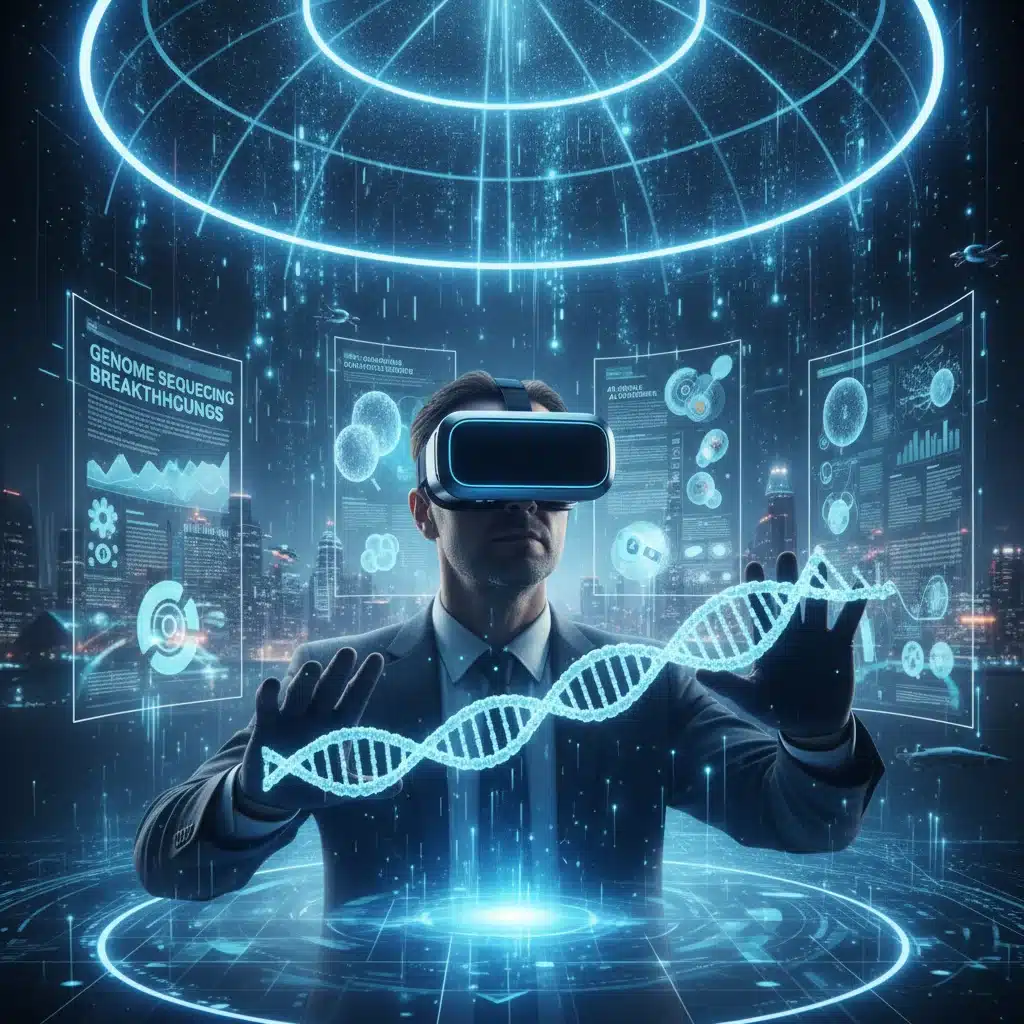
The technology for virtual engagement is constantly improving. In 2026, we can expect even more sophisticated tools for virtual biotech events, including AI-powered networking, interactive virtual exhibition booths, immersive VR/AR experiences for product demonstrations, and advanced gamification to keep attendees engaged. Live polls, Q&A sessions, and breakout rooms facilitate dynamic interaction, ensuring that virtual attendees are not just passive observers.
Challenges of Virtual Biotech Events in 2026
Despite their advantages, virtual events also present unique challenges that organizers will need to address in 2026:
Combatting "Zoom Fatigue"
The pervasive issue of "Zoom fatigue" can significantly impact engagement at virtual biotech events. Staring at a screen for extended periods can lead to mental exhaustion and reduced attention spans. Organizers must implement strategies to break up content, encourage movement, and provide ample breaks to mitigate this challenge.
Replicating Spontaneous Networking
While virtual platforms offer structured networking tools, replicating the spontaneity and depth of in-person hallway conversations remains a hurdle. Accidental encounters and casual chats, which often lead to groundbreaking collaborations, are harder to engineer in a purely virtual environment. Innovations in AI-driven matchmaking and virtual lounges are attempting to bridge this gap, but the human element of chance encounters is still a unique strength of physical gatherings.
Technical Glitches and Connectivity Issues
Reliance on technology means that virtual events are susceptible to technical difficulties, internet connectivity issues, and platform malfunctions. These can disrupt the flow of the event and frustrate attendees. Robust technical support and contingency plans will be crucial for successful virtual biotech events 2026.
Maintaining Engagement and Focus
With numerous distractions available at home or in the office, maintaining attendee focus throughout a virtual event can be challenging. Organizers need to design highly engaging content, incorporate interactive elements, and create a compelling virtual environment to keep participants invested.
Hybrid Biotech Events 2026: The Best of Both Worlds?
As the industry moves forward, hybrid models are emerging as a popular solution, aiming to combine the strengths of both virtual and in-person formats. In 2026, many biotech events are likely to adopt a hybrid approach, offering a physical component for those who can attend and a robust virtual experience for those who cannot.
Maximizing Reach and Impact
Hybrid events allow organizers to maximize their reach, bringing together a global audience while still providing the invaluable face-to-face interactions that many professionals crave. This inclusive approach ensures that no one is left out, regardless of their geographical location or ability to travel. This model is particularly beneficial for biotech events 2026 that aim for a truly global scientific exchange.
Enhanced Flexibility for Attendees and Speakers
Attendees can choose the participation mode that best suits their needs and circumstances. Speakers, too, can present remotely or in person, offering greater flexibility and potentially attracting a wider array of experts. This adaptable structure is a key differentiator for successful biotech events 2026.
Challenges of Hybrid Models
While promising, hybrid events also present their own set of complexities. Organizers must manage two distinct experiences simultaneously, ensuring that both virtual and in-person attendees feel equally valued and engaged. This requires significant investment in technology, skilled personnel, and thoughtful content design to bridge the gap between the two audiences. The risk of creating a "second-class" experience for virtual attendees is a real concern that needs to be actively addressed.
Optimizing Engagement in Biotech Events 2026
Regardless of the format, engagement is the cornerstone of a successful event. Here are strategies for optimizing engagement in biotech events 2026:
For In-Person Events:
- Interactive Sessions: Move beyond traditional lectures. Incorporate workshops, roundtables, and interactive Q&A sessions.
- Dedicated Networking Zones: Create comfortable, designated areas for informal discussions and planned meet-ups.
- Experiential Learning: Offer hands-on demonstrations, lab tours, or simulation exercises.
- Gamification: Implement challenges or scavenger hunts within the exhibition hall to encourage exploration and interaction.
- Personalized Agendas: Use event apps to help attendees build personalized schedules and connect with relevant peers.
For Virtual Events:
- Dynamic Content Delivery: Utilize varied formats like short videos, live interviews, and interactive polls to break up long sessions.
- Virtual Networking Platforms: Employ AI-powered matchmaking, speed networking, and virtual lounges to foster connections.
- Immersive Virtual Environments: Invest in high-quality virtual exhibition halls and interactive poster sessions that mimic the physical experience.
- Live Q&A and Chat Functions: Ensure robust tools for real-time interaction with speakers and other attendees.
- Breaks and Wellness Activities: Schedule frequent breaks and offer optional wellness sessions (e.g., virtual yoga, mindfulness) to combat fatigue.

The Role of Technology in Shaping Biotech Events 2026
Technology will be the driving force behind the evolution of biotech events 2026. From advanced AI and machine learning to virtual and augmented reality, these innovations will redefine how we experience and interact with conferences.
Artificial Intelligence (AI) and Machine Learning (ML)
AI and ML will play a crucial role in personalizing the event experience. For both virtual and in-person events, AI can recommend relevant sessions, connect attendees with compatible peers or potential collaborators, and even provide real-time translation services. This personalization enhances engagement and ensures attendees get the most out of their time.
Virtual Reality (VR) and Augmented Reality (AR)
VR and AR offer exciting possibilities for immersive experiences. Imagine virtual lab tours, interactive 3D models of complex biological processes, or AR overlays that provide additional information during an in-person presentation. These technologies can significantly enhance scientific understanding and engagement, particularly for product demonstrations and intricate scientific concepts.
Advanced Analytics and Feedback Systems
Beyond basic attendance tracking, advanced analytics will provide deeper insights into attendee behavior, content preferences, and overall satisfaction. Real-time feedback systems, powered by AI, can help organizers make on-the-fly adjustments to improve the event experience. This data-driven approach will be essential for continuous improvement in biotech events 2026.
Sustainability and Ethical Considerations
As the biotech industry champions innovation for a healthier planet, event planning must also align with these values. Sustainability will be a significant consideration for biotech events 2026.
Reducing Environmental Footprint
Virtual and hybrid events inherently offer a lower carbon footprint due to reduced travel. For in-person events, organizers will increasingly focus on sustainable practices, such as minimizing waste, sourcing local and ethical catering, using renewable energy, and encouraging public transport. The goal is to make all biotech events as environmentally responsible as possible.
Promoting Diversity, Equity, and Inclusion (DEI)
Both virtual and hybrid formats can significantly improve DEI by removing barriers to participation. Organizers of biotech events 2026 must proactively ensure diverse speaker lineups, accessible content, and inclusive networking opportunities to foster a truly representative and equitable scientific community.
Conclusion: Navigating the Future of Biotech Events in 2026
The future of biotech events 2026 is undoubtedly dynamic and multifaceted. There is no one-size-fits-all solution; rather, a thoughtful consideration of objectives, audience, and available resources will dictate the most effective format. While in-person gatherings will continue to offer unique advantages in terms of human connection and immersive experiences, virtual platforms will increasingly provide unparalleled accessibility, flexibility, and data-driven insights. Hybrid models, when executed effectively, stand to offer the best of both worlds, expanding reach while preserving the magic of face-to-face interaction.
Ultimately, successful biotech events 2026 will be those that prioritize attendee engagement, leverage cutting-edge technology, and embrace principles of sustainability and inclusivity. As the biotechnology industry continues its rapid advancement, the platforms that facilitate its progress must evolve in tandem, ensuring that innovation, collaboration, and discovery remain at the forefront.