Mastering Biotech Due Diligence: A 7-Step Framework for Investors in the Current 2026 Market

The biotechnology sector, a dynamic and often volatile space, continues to captivate investors with its promise of groundbreaking innovations and substantial returns. However, the inherent complexities, long development cycles, and significant regulatory hurdles demand a rigorous approach to investment. For investors navigating the current 2026 market, mastering biotech due diligence is not merely an advantage; it is an absolute necessity. This comprehensive guide outlines a 7-step framework designed to equip investors with the tools and insights needed to make informed decisions and mitigate risks in this high-stakes environment.
The biotech landscape in 2026 is characterized by rapid technological advancements, evolving regulatory pathways, and an increasing focus on personalized medicine, gene therapies, and AI-driven drug discovery. These trends present both unprecedented opportunities and unique challenges. A superficial analysis can lead to costly mistakes, while a thorough, systematic biotech due diligence process can uncover hidden value and protect against potential pitfalls. Our framework addresses these contemporary dynamics, providing a robust methodology for evaluating potential biotech investments.
Understanding the Unique Nature of Biotech Investments
Before diving into the framework, it’s crucial to acknowledge what sets biotech investments apart. Unlike traditional sectors, biotech companies often operate with negative cash flow for extended periods, relying heavily on capital raises to fund research and development. Their valuation is frequently tied to future potential, clinical trial outcomes, and regulatory approvals rather than immediate profitability. This speculative nature necessitates a deeper dive into scientific merit, intellectual property, and market access strategies.
Moreover, the scientific principles underpinning biotech innovations are often highly specialized, requiring investors to either possess a strong scientific background or rely on expert advice. The journey from bench to bedside is fraught with scientific failures, unexpected side effects, and regulatory roadblocks. Therefore, effective biotech due diligence must encompass a multidisciplinary approach, blending scientific scrutiny with financial acumen and market understanding.
The 7-Step Biotech Due Diligence Framework for 2026
Step 1: Deep Dive into Scientific and Technical Validation
The bedrock of any biotech investment is the underlying science. This step involves a meticulous examination of the technology, drug candidate, or therapeutic approach. Investors must assess the novelty, mechanism of action, and scientific rationale. Key questions include: Is the science sound? Has it been peer-reviewed? Are there compelling preclinical data?
- Mechanism of Action (MoA): Understand how the therapy works at a molecular or cellular level. A clear and validated MoA reduces scientific risk.
- Preclinical Data: Evaluate in vitro and in vivo study results. Look for robust data from well-designed experiments, published in reputable journals. Are the animal models relevant to human disease?
- Therapeutic Area Expertise: Engage with independent scientific experts and key opinion leaders (KOLs) in the specific therapeutic area. Their insights can provide invaluable validation or highlight red flags.
- Competitive Landscape (Scientific): How does the scientific approach compare to existing or emerging therapies? Are there unique advantages or significant disadvantages?
- Platform Technology: If investing in a platform technology (e.g., gene editing, AI drug discovery), assess its versatility, scalability, and the breadth of its potential applications.
In 2026, the rise of complex modalities like CRISPR-based therapies, mRNA vaccines, and advanced cell therapies demands even greater scientific scrutiny. Understanding the nuances of these technologies and their potential off-target effects or delivery challenges is paramount for effective biotech due diligence.

Step 2: Rigorous Clinical Development and Regulatory Pathway Assessment
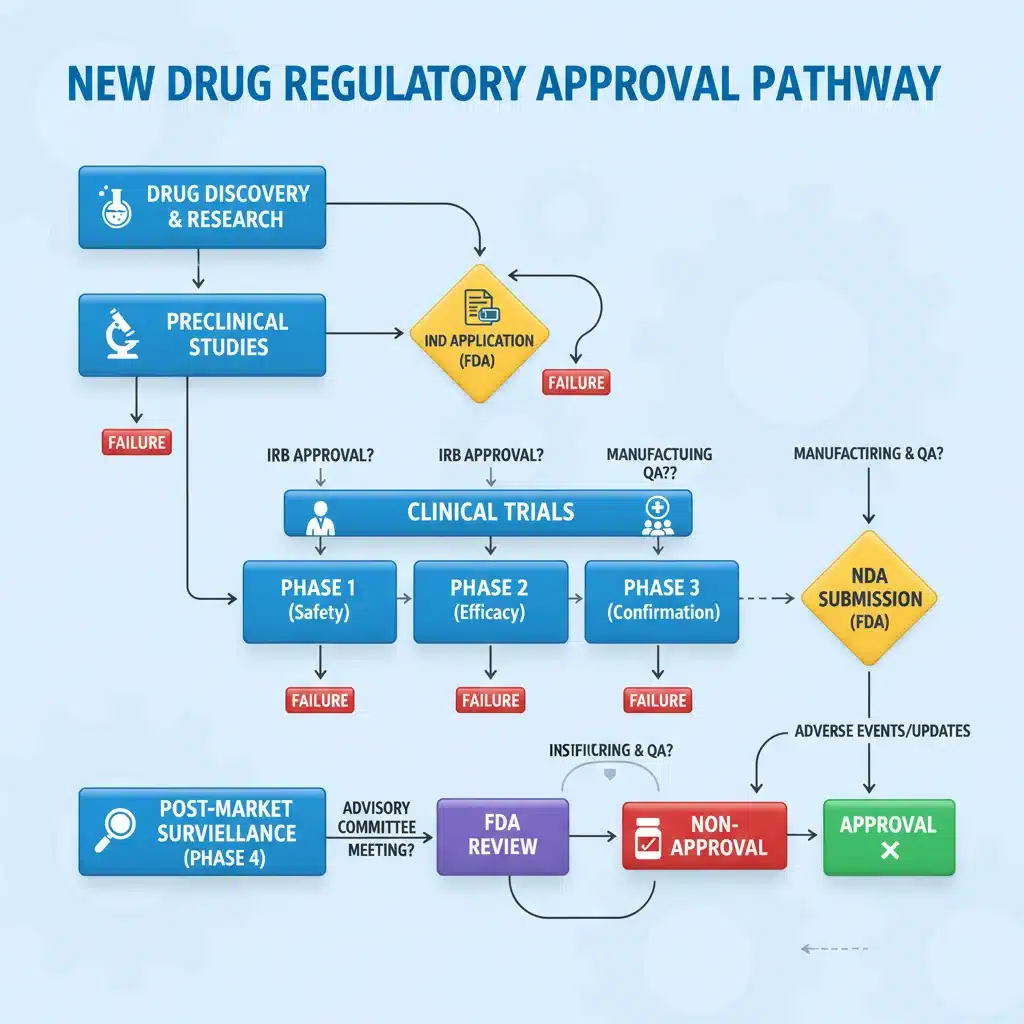
Clinical trials are the proving ground for biotech innovations. This step focuses on evaluating the clinical development plan, trial design, and the company’s strategy for navigating regulatory hurdles. This is where many promising therapies falter, making it a critical component of biotech due diligence.
- Clinical Trial Design: Review the design of past, ongoing, and planned clinical trials. Are the endpoints well-defined and clinically meaningful? Is the patient population appropriately selected? Is the trial powered sufficiently to detect a statistically significant effect?
- Clinical Data Analysis: Scrutinize all available clinical data, paying close attention to efficacy, safety profiles, and statistical significance. Look for consistency across different cohorts and phases. Be wary of cherry-picked data.
- Regulatory Strategy: Understand the company’s interactions with regulatory bodies (e.g., FDA, EMA, PMDA). What is their regulatory pathway (e.g., Fast Track, Breakthrough Therapy, Orphan Drug designation)? What are the anticipated timelines and potential roadblocks?
- Manufacturing and CMC (Chemistry, Manufacturing, and Controls): Assess the feasibility and scalability of manufacturing processes. CMC issues can cause significant delays and cost overruns, particularly for complex biologics and cell/gene therapies.
- Biostatistical Review: Consider engaging independent biostatisticians to review clinical trial data and analysis, ensuring methodological rigor and unbiased interpretation.
The 2026 regulatory environment is increasingly focused on real-world evidence and patient-centric outcomes. Companies with robust data collection strategies and clear paths to regulatory approval will stand out. This step in biotech due diligence is often where the rubber meets the road for potential investments.
Step 3: Intellectual Property (IP) and Freedom to Operate (FTO) Analysis
In biotech, intellectual property is often the most valuable asset. A strong IP portfolio protects innovation and provides a competitive moat. This step involves a thorough examination of the company’s patents, trade secrets, and licensing agreements.
- Patent Portfolio: Review the breadth, depth, and enforceability of the patent portfolio. Does it cover the core technology, drug candidates, manufacturing processes, and potential future indications? Are there any pending challenges or expirations?
- Freedom to Operate (FTO): Conduct an FTO analysis to ensure the company’s activities do not infringe on existing third-party patents. This is crucial to avoid costly litigation and potential injunctions.
- Trade Secrets and Know-How: Evaluate the company’s strategies for protecting its proprietary knowledge and expertise that may not be patentable.
- Licensing Agreements: If the company has licensed technology in or out, meticulously review the terms, royalties, milestones, and exclusivity clauses. Understand potential revenue streams or obligations.
- Geographic Coverage: Assess the geographic reach of the IP protection. Is it sufficient for all key target markets?
A robust IP strategy is a hallmark of a promising biotech company. Weak or fragmented IP can expose an investment to significant risks, making this a non-negotiable part of effective biotech due diligence.
Step 4: Market Opportunity and Commercial Viability Assessment
Even the most scientifically sound and clinically successful therapy won’t succeed without a viable market. This step assesses the potential market size, competitive landscape, pricing strategy, and reimbursement environment.
- Target Market Size: Quantify the addressable patient population and the potential peak sales for the therapy. Consider prevalence, incidence, and diagnostic rates.
- Competitive Landscape (Commercial): Identify existing treatments, therapies in development, and potential competitors. What are their strengths and weaknesses? What is the company’s differentiation strategy?
- Pricing and Reimbursement: Analyze potential pricing strategies and the likelihood of favorable reimbursement from payers. This is particularly critical for high-cost innovative therapies in 2026, where value-based pricing models are gaining traction.
- Market Access Strategy: How does the company plan to gain market access and achieve broad adoption? This includes commercialization plans, sales force capabilities, and distribution channels.
- Unmet Medical Need: Is there a significant unmet medical need that the therapy addresses? Products addressing high unmet needs often command premium pricing and faster regulatory pathways.
Understanding the commercial pathway and potential market receptiveness is vital for determining the financial upside of a biotech investment. This step of biotech due diligence bridges the gap between scientific potential and financial reality.
Step 5: Management Team and Corporate Governance Evaluation
A brilliant scientific idea can only go so far without an experienced and competent team to execute it. This step evaluates the leadership, scientific advisory board, and corporate governance structure.
- Leadership Team Experience: Assess the track record of the CEO, CSO, CFO, and other key executives. Do they have relevant experience in drug discovery, clinical development, regulatory affairs, and commercialization? Have they successfully brought products to market before?
- Scientific Advisory Board (SAB): Evaluate the credentials and independence of the SAB members. Are they leading experts in their fields? Do they have any conflicts of interest?
- Corporate Culture and Ethics: While harder to quantify, assess the company’s culture, ethical standards, and commitment to patient safety and scientific integrity.
- Investor Relations and Communication: How transparent and responsive is the management team? Effective communication is crucial, especially during clinical trial updates or regulatory milestones.
- Board of Directors: Review the composition and independence of the board. Do they provide effective oversight and strategic guidance?
A strong, ethical, and experienced management team is often a key differentiator between success and failure in the biotech sector. This human element is a critical, yet often overlooked, aspect of biotech due diligence.
Step 6: Financial Health and Funding Strategy
Biotech companies are capital-intensive. This step focuses on the company’s financial standing, burn rate, funding history, and future capital requirements.
- Current Financials: Analyze balance sheets, income statements, and cash flow statements. Understand the current cash position and runway.
- Burn Rate: Calculate the monthly cash burn rate and project how long the company can operate without additional funding.
- Funding History: Review past funding rounds, investors, and valuation trends. Who are the existing investors, and what are their exit strategies?
- Future Capital Requirements: Project future funding needs based on clinical development milestones, regulatory filings, and commercialization plans. How will these needs be met (e.g., venture rounds, public offerings, strategic partnerships)?
- Valuation: Conduct a thorough valuation analysis using appropriate methodologies (e.g., discounted cash flow, comparable company analysis, risk-adjusted net present value). Be realistic about the inherent risks.
- Debt and Liabilities: Scrutinize any existing debt, convertible notes, or other liabilities that could impact future financial flexibility.
Understanding the financial trajectory and funding strategy is paramount. A company with a promising pipeline but an unsustainable financial model is a significant risk. This financial scrutiny is a cornerstone of effective biotech due diligence.
Step 7: Risk Assessment and Mitigation Strategies
No investment is without risk, especially in biotech. This final step involves identifying all potential risks and evaluating the company’s strategies to mitigate them.
- Clinical Risk: Probability of trial failure due to lack of efficacy or safety issues. What are the backup plans?
- Regulatory Risk: Possibility of delayed or denied regulatory approval. How robust is their regulatory strategy?
- Market Risk: Changes in market dynamics, competitive pressures, or reimbursement policies. How adaptable is the company?
- Financial Risk: Inability to secure future funding, cash flow problems, or unfavorable dilution. What are the contingency plans?
- Intellectual Property Risk: Patent challenges, infringements, or loss of key IP. How strong is their legal defense?
- Operational Risk: Manufacturing issues, supply chain disruptions, or key personnel departures. Are there robust operational controls in place?
- Reputational Risk: Negative publicity, ethical breaches, or data integrity issues. What is their crisis management plan?
A comprehensive risk matrix, coupled with a clear understanding of mitigation strategies, provides a holistic view of the investment’s vulnerabilities. This critical step in biotech due diligence allows investors to weigh potential rewards against potential losses, leading to more resilient investment decisions.
The Evolving Biotech Landscape in 2026: Key Considerations
Beyond the standard framework, the 2026 biotech market presents specific considerations that savvy investors must integrate into their biotech due diligence process:
- AI and Machine Learning Integration: How is the company leveraging AI in drug discovery, clinical trial design, or patient selection? Is their AI strategy robust and proprietary?
- Personalized Medicine and Diagnostics: With the rise of precision medicine, evaluate the company’s companion diagnostics strategy and its ability to identify specific patient populations.
- ESG (Environmental, Social, Governance) Factors: Increasingly, investors are scrutinizing ESG practices. Does the company have a strong ethical framework, sustainable practices, and responsible governance?
- Global Health Security: Post-pandemic, companies contributing to global health security (e.g., pandemic preparedness, novel vaccine platforms) may see increased government and private funding.
- Cybersecurity for Health Data: As health data becomes more digitized, assess the company’s cybersecurity measures, especially for clinical trial data and patient information.
These contemporary factors add layers of complexity but also present opportunities for differentiation and long-term value creation. Integrating them into your biotech due diligence ensures your investment strategy is future-proof.
Conclusion: A Strategic Imperative for Biotech Investors
Investing in biotechnology offers immense potential for capital appreciation and societal impact, but it is unequivocally not for the faint of heart. The intricate interplay of cutting-edge science, rigorous regulation, dynamic market forces, and human capital demands a disciplined and exhaustive approach. The 7-step framework for biotech due diligence outlined in this article provides a structured pathway for investors to navigate these complexities in the current 2026 market. By meticulously assessing scientific validation, clinical development, intellectual property, market opportunity, management prowess, financial health, and inherent risks, investors can significantly enhance their chances of success and contribute to the advancement of life-saving innovations.
Remember, biotech due diligence is an ongoing process, not a one-time event. The biotech landscape is constantly evolving, and continuous monitoring of scientific breakthroughs, regulatory changes, and market shifts is essential. By embracing this comprehensive framework, investors can transform potential pitfalls into informed opportunities, making strategic decisions that yield both financial returns and meaningful contributions to global health. The future of medicine is being written today, and with diligent investment, you can be a part of it.