US Biotech Visa Trends: 3-Month Sponsorship Analysis for International Talent

The United States continues to be a global beacon for innovation, particularly in the burgeoning biotechnology sector. This dynamic industry, at the forefront of medical breakthroughs, agricultural advancements, and environmental solutions, relies heavily on a highly skilled and diverse workforce. A significant portion of this talent pool comes from overseas, making Biotech Visa Sponsorship a critical component of the industry’s sustained growth and competitive edge. Understanding the evolving landscape of US biotech visa sponsorship is paramount for international professionals aspiring to work in the US, as well as for biotech companies seeking to attract and retain the best global talent.
In this comprehensive analysis, we delve into the latest 3-month trends concerning US biotech visa sponsorship. Our goal is to provide a clear, data-driven perspective on which visa types are most prevalent, the sectors within biotech that are most actively sponsoring, and the geographical areas witnessing the highest demand for international expertise. By examining recent patterns, we can uncover valuable insights into the current state and future trajectory of international talent mobility within the US biotech ecosystem.
The Importance of International Talent in US Biotechnology
The US biotechnology sector thrives on cutting-edge research and development, demanding a workforce with specialized knowledge and diverse perspectives. International talent often brings unique skills, educational backgrounds, and innovative approaches that are difficult to find domestically. From molecular biologists and biochemists to bioinformaticians and clinical research associates, the roles requiring advanced degrees and niche expertise are frequently filled by individuals from around the world. This influx of global talent fuels discovery, accelerates product development, and strengthens the US’s position as a leader in life sciences.
However, securing a position in the US biotech industry as an international professional is often contingent upon obtaining appropriate work authorization, which typically involves Biotech Visa Sponsorship. Companies willing to navigate the complexities of the US immigration system to sponsor foreign workers demonstrate a clear recognition of the value and scarcity of these specialized skills.
Key Visa Categories for Biotech Professionals and Recent Trends
Several visa categories facilitate the employment of international professionals in the US biotech sector. Each has its own eligibility criteria, application process, and associated timelines. Understanding these categories is the first step for both prospective employees and sponsoring companies.
H-1B Visa: The Workhorse of Skilled Immigration
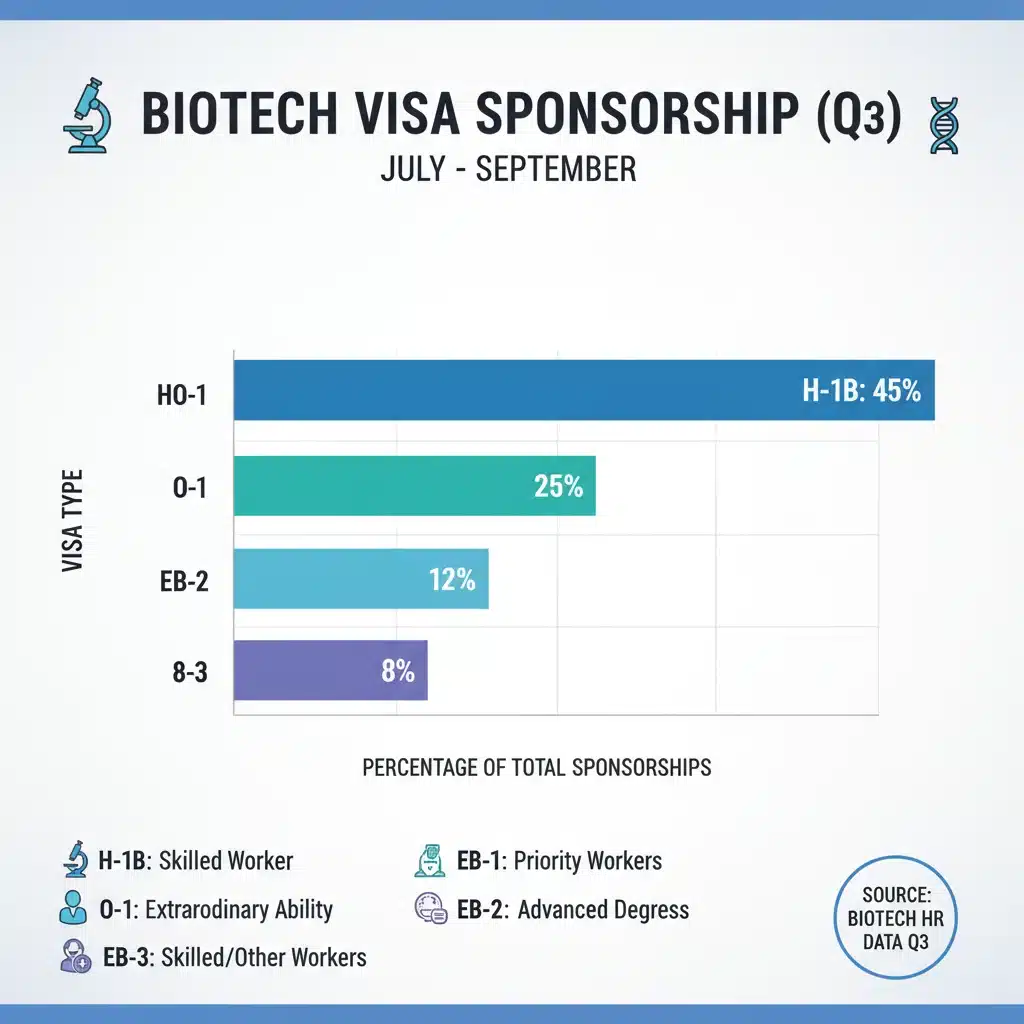
The H-1B visa is perhaps the most well-known and widely utilized non-immigrant visa for skilled foreign workers in specialty occupations. A specialty occupation generally requires a bachelor’s degree or higher in a specific field. Many roles within biotechnology, such as research scientists, process development engineers, and clinical data analysts, meet this criterion.
Recent 3-Month Trends for H-1B in Biotech:
- Continued High Demand: Despite the annual cap, demand for H-1B visas in the biotech sector remains consistently high. Companies are increasingly relying on the H-1B lottery to secure talent, reflecting the critical need for specialized skills.
- Increased Scrutiny and RFEs: While not unique to biotech, U.S. Citizenship and Immigration Services (USCIS) has maintained a rigorous approach to H-1B petitions. Requests for Evidence (RFEs) are common, particularly concerning the specialty occupation definition and employer-employee relationship. Biotech companies must ensure their petitions are meticulously prepared and supported by strong documentation.
- Focus on Advanced Degrees: A significant portion of sponsored H-1B professionals in biotech hold advanced degrees (Master’s or Ph.D.). This is largely due to the nature of the work, which often involves complex research and development requiring high levels of education and expertise.
- Cap-Exempt Institutions: Universities and non-profit research organizations affiliated with universities, which are often major players in biotech research, are cap-exempt. This provides a crucial pathway for academic researchers and post-doctoral fellows to continue their work without being subject to the H-1B lottery.
O-1 Visa: For Individuals with Extraordinary Ability
The O-1 visa is designed for individuals who possess extraordinary ability in the sciences, arts, education, business, or athletics, or who have a demonstrated record of extraordinary achievement in the motion picture or television industry. For biotech professionals, the O-1A category (extraordinary ability in the sciences) is particularly relevant.
Recent 3-Month Trends for O-1 in Biotech:
- Growing Popularity for Elite Talent: The O-1 visa has seen a steady increase in popularity among top-tier biotech researchers, scientists, and executives who may not have been selected in the H-1B lottery or who prefer a visa with fewer restrictions (e.g., no annual cap).
- High Bar for Eligibility: Proving ‘extraordinary ability’ requires substantial documentation, including evidence of major awards, published articles, critical roles in distinguished organizations, high salary, and peer recognition. The past three months indicate a continued stringent review of these criteria by USCIS.
- Strategic Alternative: For companies seeking to bring in internationally recognized experts or individuals with unique, indispensable skills, the O-1 visa offers a viable and often preferred alternative to the H-1B, especially given the H-1B lottery’s unpredictable nature.
EB-1, EB-2, and EB-3 Visas: Paths to Permanent Residency
For international professionals looking for a long-term future in the US biotech sector, employment-based (EB) immigrant visas offer a pathway to permanent residency (Green Card). These visas are categorized based on skill level and national interest.
- EB-1 (Extraordinary Ability, Outstanding Professors/Researchers, Multinational Managers or Executives): This is the fastest route for highly accomplished individuals. For biotech, outstanding researchers and professors are prime candidates.
- EB-2 (Professionals with Advanced Degrees or Exceptional Ability): This category is highly relevant for biotech professionals with Master’s or Ph.D. degrees. It often requires a PERM Labor Certification, though a National Interest Waiver (NIW) can bypass this requirement if the applicant’s work is deemed to be in the national interest of the US.
- EB-3 (Skilled Workers, Professionals, and Other Workers): This category is for professionals with at least a bachelor’s degree or skilled workers with at least two years of experience. It typically requires a PERM Labor Certification.
Recent 3-Month Trends for EB Visas in Biotech:
- Increased NIW Filings: There’s a noticeable trend of increased National Interest Waiver (NIW) filings within the EB-2 category for biotech professionals. This reflects a growing recognition by USCIS of the critical importance of biotech research and development to the US national interest, allowing highly qualified individuals to self-petition or be sponsored without the lengthy PERM process.
- Backlogs and Priority Dates: While NIW offers a faster path, other EB-2 and EB-3 petitions, particularly for individuals from high-demand countries like India and China, continue to face significant backlogs due to visa bulletin priority dates.
- Employer Investment in Green Cards: More biotech companies are demonstrating a willingness to sponsor employees for Green Cards earlier in their tenure, recognizing the long-term value of retaining top international talent and providing stability.
Who is Sponsoring? A Look at Biotech Sub-Sectors and Company Sizes
The US biotech industry is vast, encompassing various sub-sectors. The demand for Biotech Visa Sponsorship can vary significantly across these areas.
Pharmaceutical and Biopharmaceutical Development
This sub-sector consistently leads in visa sponsorship. Companies engaged in drug discovery, clinical trials, and manufacturing of biologics have an insatiable need for scientists, researchers, clinical specialists, and regulatory affairs professionals. The past three months show sustained high levels of H-1B and EB-2 sponsorships in this area, driven by ongoing research into new therapies and the complexities of drug development.
Medical Devices and Diagnostics
Innovation in medical devices and diagnostic tools also drives significant visa sponsorship. Roles for biomedical engineers, software developers for medical applications, and quality assurance specialists are frequently sponsored. O-1 visas are sometimes seen for highly specialized engineers or designers with unique contributions to device technology.
Agricultural Biotechnology and Industrial Biotechnology
While smaller in volume compared to pharma, these sectors also contribute to Biotech Visa Sponsorship. Companies developing genetically modified crops, biofuels, or industrial enzymes require experts in plant science, microbial genetics, and chemical engineering. Sponsorship trends here are stable, reflecting niche but critical demands.
Biotech Startups vs. Established Giants
Both startups and large established biotech firms actively engage in visa sponsorship. Large companies often have dedicated immigration teams and established processes, making sponsorship more streamlined. Startups, while potentially more agile, may find the costs and administrative burden of sponsorship challenging. However, the past three months have shown an increasing number of well-funded biotech startups willing to sponsor, particularly for key scientific roles, demonstrating their commitment to securing the best talent regardless of origin.
Geographical Hotbeds for Biotech Visa Sponsorship
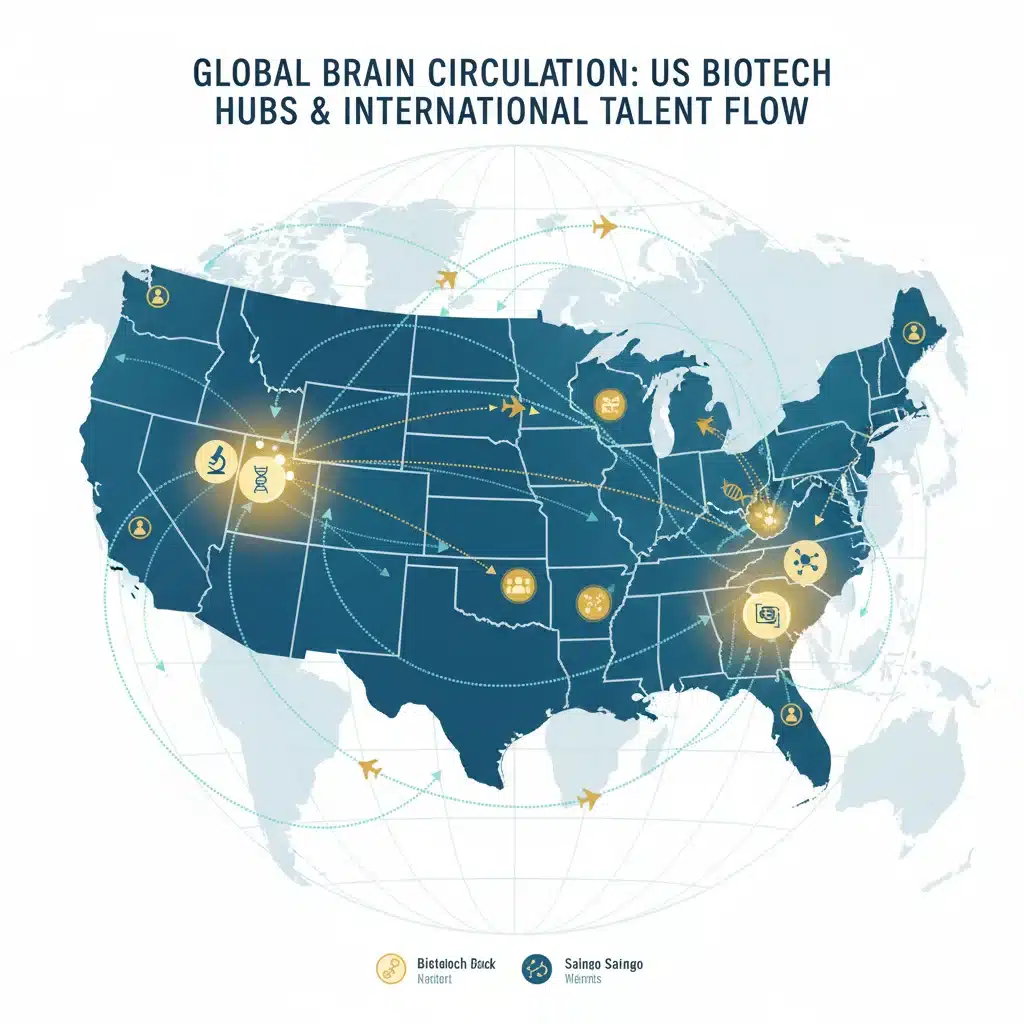
Certain regions in the US have emerged as prominent biotech hubs, attracting significant investment and, consequently, a high concentration of international talent. Understanding these geographical trends is crucial for job seekers.
- Boston/Cambridge, Massachusetts: This region remains the undisputed leader in biotech innovation and investment. It consistently ranks high in H-1B and EB visa sponsorships due to its dense cluster of pharmaceutical companies, biotech startups, and world-renowned academic institutions like Harvard and MIT. The demand for scientists, researchers, and clinical development professionals is exceptionally strong here.
- San Francisco Bay Area, California: Another major hub, particularly for genomics, bioinformatics, and health tech. The proximity to Silicon Valley also means a blend of biotech and tech roles, driving diverse sponsorship needs. Companies in this region frequently sponsor H-1B and O-1 visas for highly skilled individuals.
- San Diego, California: Known for its strong focus on genomics, drug discovery, and medical devices. This region sees consistent demand for international talent, especially in research and development roles.
- Raleigh-Durham (Research Triangle Park), North Carolina: A growing biotech cluster with a strong focus on pharmaceuticals, agricultural biotech, and contract research organizations (CROs). Sponsorship activity here is robust and expanding.
- Maryland (e.g., Rockville, Gaithersburg): Home to federal agencies like the FDA and NIH, and numerous biotech companies, this region is a significant player in vaccine development, infectious disease research, and biodefense, leading to substantial Biotech Visa Sponsorship.
The past three months indicate a continued concentration of sponsorship activity in these established hubs, reinforcing their status as magnets for global biotech talent. Emerging smaller clusters are also showing growth, but the major hubs still dominate the landscape.
Challenges and Opportunities in Biotech Visa Sponsorship
Despite the critical need for international talent, the process of Biotech Visa Sponsorship is not without its challenges.
Challenges:
- H-1B Cap and Lottery: The annual H-1B cap and the lottery system create significant uncertainty for both employers and prospective employees. Many highly qualified individuals are unable to secure a visa due to this numerical limitation.
- Processing Delays: USCIS processing times can be lengthy, impacting project timelines and talent acquisition strategies for biotech companies.
- Cost and Administrative Burden: Sponsoring a visa involves substantial legal fees, filing fees, and administrative effort, which can be particularly burdensome for smaller biotech startups.
- Evolving Immigration Policies: Changes in immigration policies and interpretations can create unpredictability and require companies to constantly adapt their sponsorship strategies.
- RFEs and Denials: Increased scrutiny by USCIS can lead to more Requests for Evidence (RFEs) and even denials, adding further delays and costs.
Opportunities:
- National Interest Waiver (NIW): As highlighted, the NIW within the EB-2 category presents a significant opportunity for highly skilled biotech professionals whose work is deemed to be in the national interest, offering a faster path to a Green Card without the PERM process.
- O-1 Visa for Extraordinary Talent: For those who meet the stringent criteria, the O-1 visa offers a cap-exempt and flexible option, allowing top-tier talent to enter the US without lottery concerns.
- Academic/Non-profit Exemption: Employment with cap-exempt institutions (universities, non-profits) provides a direct route for many researchers and scientists to obtain H-1B status.
- Growing Industry Demand: The rapid expansion of the biotech sector, driven by innovation and investment, ensures a continuous high demand for specialized skills, making companies more willing to invest in sponsorship.
- Advocacy for Policy Change: Support industry associations and advocacy groups working towards more favorable immigration policies for STEM professionals.
Strategies for International Talent Seeking Biotech Visa Sponsorship
For international professionals aiming to secure Biotech Visa Sponsorship, a strategic approach is essential.
- Focus on Niche and High-Demand Skills: Specialize in areas within biotech that are experiencing significant growth and talent shortages, such as gene editing (CRISPR), AI in drug discovery, advanced cell and gene therapies, or complex bioinformatics.
- Pursue Advanced Degrees: A Master’s or Ph.D. significantly enhances your attractiveness to sponsoring companies and often improves eligibility for visas like H-1B (Master’s cap) and EB-2.
- Build a Strong Research Portfolio: Publications, patents, presentations at conferences, and significant contributions to research projects strengthen your profile, especially for O-1 and EB-1/EB-2 NIW applications.
- Network Extensively: Attend industry conferences, career fairs, and online webinars. Leverage platforms like LinkedIn to connect with recruiters and professionals in your target companies and regions.
- Target Biotech Hubs: Concentrate your job search on the major biotech clusters where sponsorship activity is highest.
- Tailor Your Applications: Customize your resume and cover letter to highlight skills and experiences directly relevant to the job description and the company’s needs. Emphasize your unique contributions.
- Consider Cap-Exempt Employers: If the H-1B cap is a concern, actively seek opportunities with universities, research institutions, and non-profit organizations that are H-1B cap-exempt.
- Understand Visa Options: Familiarize yourself with the various visa categories and assess which ones you might qualify for. This knowledge can guide your job search and discussions with potential employers.
Strategies for Biotech Companies in Visa Sponsorship
Biotech companies seeking to attract and retain international talent through Biotech Visa Sponsorship should adopt a proactive and informed strategy.
- Early Planning for H-1B: Given the lottery system, companies should plan well in advance for H-1B petitions, identifying talent and initiating the process months before the April 1st filing date.
- Explore Alternative Visas: Don’t solely rely on H-1B. Actively assess candidates for O-1 eligibility for extraordinary talent or EB-2 NIW for critical researchers.
- Invest in Immigration Counsel: Partner with experienced immigration attorneys to ensure compliance, navigate complex regulations, and prepare robust petitions that minimize RFEs and denials.
- Support Green Card Processes: For high-value employees, initiating the Green Card process (EB-1, EB-2, EB-3) early demonstrates commitment and helps retain talent long-term, reducing turnover and recruitment costs.
- Highlight Unique Contributions: When preparing visa petitions, clearly articulate the unique skills, expertise, and contributions the international hire will bring to the company and the US biotech sector, especially for O-1 and NIW cases.
- Foster an Inclusive Culture: Beyond visas, creating a welcoming and inclusive work environment helps attract and retain diverse international talent.
- Advocate for Policy Change: Support industry associations and advocacy groups working towards more favorable immigration policies for STEM professionals.
The Future Outlook for Biotech Visa Sponsorship
The US biotech sector is poised for continued expansion, driven by breakthroughs in areas like gene therapy, personalized medicine, and synthetic biology. This growth will undoubtedly sustain, if not increase, the demand for highly specialized international talent. While the H-1B lottery will likely remain a challenge, the increasing utilization of O-1 visas and National Interest Waivers suggests a continued adaptation by both employers and employees to leverage alternative pathways.
Policy discussions around high-skilled immigration are ongoing, and the biotech industry’s lobbying efforts could potentially lead to future legislative changes that better align immigration policies with economic and scientific needs. Regardless of policy shifts, the fundamental need for global expertise in US biotechnology will ensure that Biotech Visa Sponsorship remains a crucial and evolving aspect of talent acquisition.
Conclusion
Our 3-month analysis of US biotech visa sponsorship trends reveals a dynamic and competitive environment. The demand for international talent, particularly those with advanced degrees and specialized skills, remains exceptionally high across all biotech sub-sectors and major hubs. While challenges persist with visa caps and processing complexities, opportunities through O-1 visas and National Interest Waivers are increasingly being utilized.
For international professionals, strategic planning, skill specialization, and targeted networking are key to securing sponsorship. For biotech companies, a proactive, multi-faceted approach to immigration, supported by expert legal counsel, is essential to attracting and retaining the global talent critical for innovation and growth. As the US biotech industry continues to push the boundaries of scientific discovery, the flow of international talent, facilitated by robust Biotech Visa Sponsorship, will undoubtedly remain a cornerstone of its success.