Navigating the 2026 Biotech Job Market: 3 Key Trends for US Professionals
Navigating the 2026 Biotech Job Market: 3 Key Trends for US Professionals
The biotechnology sector in the United States is a relentless engine of innovation, constantly pushing the boundaries of what’s possible in medicine, agriculture, and environmental science. As we hurtle towards 2026, the landscape of the biotech job market is undergoing a profound transformation, driven by technological advancements, evolving healthcare needs, and a global demand for sustainable solutions. For professionals seeking to enter, advance, or transition within this dynamic field, understanding the forces at play is not just beneficial, but essential for career longevity and success. This comprehensive guide will explore three pivotal trends that are set to redefine the biotech job market 2026, offering insights into the skills required and the opportunities that lie ahead.
The Accelerating Integration of AI and Machine Learning in Biotechnology
Artificial Intelligence (AI) and Machine Learning (ML) are no longer futuristic concepts; they are rapidly becoming integral components of modern biotechnology. In the context of the biotech job market 2026, this trend signifies a dramatic shift in how research and development are conducted, how drugs are discovered, and how manufacturing processes are optimized. The sheer volume of biological data generated daily—from genomics and proteomics to clinical trials and real-world evidence—is overwhelming for human analysis alone. This is where AI and ML step in, offering unparalleled capabilities for pattern recognition, predictive modeling, and data interpretation.
Impact on Drug Discovery and Development
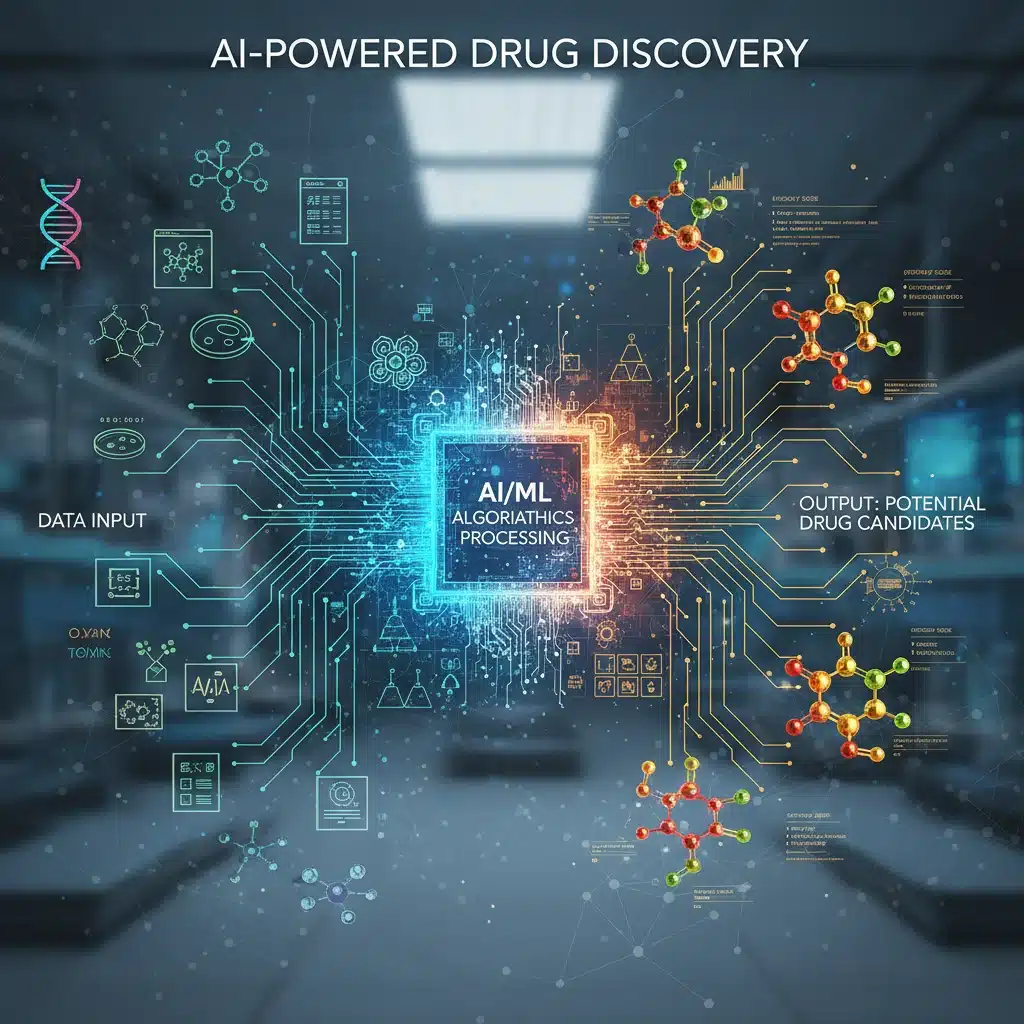
One of the most significant impacts of AI and ML is in accelerating drug discovery and development. Traditionally, this process is lengthy, expensive, and fraught with high failure rates. AI algorithms can analyze vast databases of molecular structures, identify potential drug candidates, predict their efficacy and toxicity, and even design novel compounds. This dramatically reduces the time and cost associated with early-stage research. For professionals in the biotech job market, this means a growing demand for roles that bridge the gap between biology and data science. Bioinformaticians, computational biologists, data scientists with a life sciences background, and AI/ML engineers specializing in healthcare are becoming highly sought after.
Enhancing Clinical Trials and Personalized Medicine
Beyond discovery, AI and ML are revolutionizing clinical trials. They can optimize patient selection, monitor trial participants more effectively, and analyze complex clinical data to identify biomarkers and predict treatment responses. This leads to more efficient trials and ultimately, to the development of more effective and safer therapies. Furthermore, AI is a cornerstone of personalized medicine, a trend we’ll delve into shortly. By analyzing an individual’s genetic makeup, lifestyle, and medical history, AI can help tailor treatments to specific patients, moving away from a one-size-fits-all approach. This creates new opportunities in clinical data management, biostatistics, and medical informatics within the biotech job market 2026.
Operational Efficiency and Automation
The application of AI and ML extends to optimizing laboratory operations and biomanufacturing processes. Predictive maintenance for lab equipment, automated experimental design, and robotic automation are increasing efficiency and reducing human error. This shift is creating demand for professionals with expertise in automation engineering, robotics, and process optimization, alongside a strong understanding of biological principles. The biotech job market will increasingly value individuals who can implement and manage these advanced technological solutions.
Required Skills for the AI-Driven Biotech Landscape
To thrive in this AI-driven era of biotechnology, professionals will need a blend of traditional scientific knowledge and advanced technical skills. Key competencies include:
- Programming Languages: Proficiency in Python, R, Java, and other languages commonly used in data science and AI.
- Machine Learning Frameworks: Experience with TensorFlow, PyTorch, scikit-learn, etc.
- Statistical Analysis: A strong foundation in statistics and biostatistics.
- Bioinformatics: Understanding of genomic data analysis, sequence alignment, and structural biology.
- Cloud Computing: Familiarity with cloud platforms (AWS, Azure, Google Cloud) for big data processing and AI model deployment.
- Domain Expertise: A deep understanding of biological processes, disease mechanisms, and pharmaceutical development.
- Ethical AI Considerations: Awareness of the ethical implications of AI in healthcare and data privacy regulations.
The biotech job market 2026 will increasingly favor candidates who can demonstrate a multi-disciplinary approach, combining their biological expertise with cutting-edge computational skills.
The Rise and Expansion of Personalized Medicine
Personalized medicine, also known as precision medicine, is another transformative force reshaping the biotech job market. This approach tailors medical treatment to the individual characteristics of each patient, moving beyond the traditional one-size-fits-all model. It leverages advancements in genomics, proteomics, metabolomics, and other "omics" technologies to understand the unique biological makeup of a person and how it influences disease susceptibility and treatment response. By 2026, personalized medicine is expected to be a cornerstone of healthcare, creating a surge in demand for specialized professionals.
Genomic and Genetic Counseling Roles
The foundation of personalized medicine often lies in genomic sequencing. As the cost of sequencing decreases and its accessibility increases, there will be a growing need for genetic counselors, clinical geneticists, and genomic scientists. These professionals will be crucial in interpreting complex genetic data, informing patients about their risk factors, and guiding treatment decisions. The biotech job market 2026 will see a significant expansion in roles focused on genetic data analysis, interpretation, and communication.
Biomarker Discovery and Diagnostics
Personalized medicine relies heavily on the identification and validation of biomarkers—biological indicators that can predict disease risk, diagnose conditions, or monitor treatment effectiveness. This drives demand for scientists specializing in biomarker discovery, assay development, and diagnostic technologies. Companies developing companion diagnostics, which are tests designed to identify patients who will benefit from a particular therapy, will be particularly active in hiring. This means opportunities for molecular biologists, biochemists, immunologists, and diagnostic development specialists within the biotech job market.
Pharmacogenomics and Targeted Therapies
Pharmacogenomics, the study of how genes affect a person’s response to drugs, is a key component of personalized medicine. By understanding an individual’s genetic profile, clinicians can prescribe the most effective drug at the optimal dosage, minimizing adverse effects. This field is fueling the development of highly targeted therapies, including gene therapies and cell therapies. Professionals with expertise in pharmacogenomics, drug metabolism, and therapeutic development will find ample opportunities. The biotech job market 2026 will require individuals who can navigate the complexities of developing and delivering these highly specialized treatments.
Data Integration and Clinical Implementation
Implementing personalized medicine in clinical practice requires robust data integration systems and healthcare professionals who can effectively utilize genomic and other "omics" data. This creates roles for clinical informaticists, health data analysts, and medical doctors with specialized training in genomics and precision medicine. The ability to translate complex scientific data into actionable clinical insights will be a highly valued skill. The biotech job market will demand individuals who can bridge the gap between cutting-edge research and practical patient care.
Essential Skills for Personalized Medicine Professionals
Professionals aiming to succeed in personalized medicine must cultivate a diverse skill set:
- Genomic Data Analysis: Expertise in interpreting next-generation sequencing data.
- Clinical Genetics: Strong understanding of genetic disorders and inheritance patterns.
- Biostatistics and Epidemiology: For analyzing patient populations and treatment outcomes.
- Regulatory Affairs: Knowledge of regulations pertaining to genetic testing and personalized therapies.
- Bioethics: Understanding the ethical considerations surrounding genetic information and personalized treatments.
- Communication: Ability to explain complex genetic concepts to patients and healthcare providers.
- Interdisciplinary Collaboration: Working effectively with clinicians, researchers, and data scientists.
The growth of personalized medicine will ensure that these skills remain in high demand across the biotech job market 2026.

Advancements in Biomanufacturing and Process Development
The third major trend influencing the biotech job market 2026 is the rapid evolution of biomanufacturing and process development. As novel therapies, especially biologics, cell therapies, and gene therapies, move from discovery to commercialization, efficient, scalable, and cost-effective manufacturing processes become paramount. The industry is moving towards more integrated, automated, and continuous manufacturing approaches, driven by the need for higher quality products, faster production times, and reduced costs.
Continuous Bioprocessing and Industry 4.0
Traditional batch manufacturing is giving way to continuous bioprocessing, which offers significant advantages in terms of efficiency and product quality. This shift requires specialized expertise in process engineering, automation, and real-time process monitoring. The adoption of Industry 4.0 principles—including the Internet of Things (IoT), big data analytics, and cyber-physical systems—is transforming biomanufacturing facilities into smart factories. This means a rising demand for process engineers, automation specialists, data engineers focusing on manufacturing data, and quality assurance/control professionals with an understanding of these advanced systems within the biotech job market.
Cell and Gene Therapy Manufacturing
The explosive growth of cell and gene therapies presents unique manufacturing challenges. These highly complex and often personalized treatments require specialized facilities, stringent quality control, and sophisticated logistics. Manufacturing these therapies at scale, while maintaining their viability and potency, is a major focus for the industry. This creates a critical need for cell culture specialists, virologists, gene therapy manufacturing engineers, quality control scientists, and regulatory affairs professionals specializing in advanced therapy medicinal products (ATMPs). The biotech job market 2026 will see a significant expansion in roles dedicated to the production and quality oversight of these groundbreaking therapies.
Supply Chain and Logistics Optimization
For many biotech products, especially cell and gene therapies, maintaining a robust and reliable cold chain and complex logistics network is crucial. The "vein-to-vein" journey for autologous cell therapies, for example, requires meticulous planning and execution. This trend drives demand for supply chain managers, logistics specialists, and cold chain experts who can navigate the unique challenges of biological product transport and storage. These roles are becoming increasingly vital in the biotech job market, ensuring that life-saving therapies reach patients safely and efficiently.
Sustainability and Green Biomanufacturing
Environmental sustainability is an increasingly important consideration in biomanufacturing. Companies are seeking ways to reduce their environmental footprint through more efficient use of resources, waste reduction, and the adoption of greener technologies. This creates opportunities for professionals with expertise in sustainable engineering, environmental compliance, and process optimization focused on eco-friendly practices. The biotech job market 2026 will value individuals who can contribute to both operational efficiency and environmental stewardship.
Key Competencies for Biomanufacturing Professionals
To excel in the evolving biomanufacturing landscape, professionals should focus on developing:
- Bioprocess Engineering: Expertise in upstream and downstream processing, bioreactor design, and purification.
- Automation and Control Systems: Knowledge of SCADA, DCS, and PLC systems.
- Quality Assurance/Control: Strong understanding of GMP (Good Manufacturing Practices) and regulatory requirements.
- Analytical Techniques: Proficiency in methods for product characterization and impurity detection.
- Cell Culture and Gene Therapy Expertise: Specialized knowledge for advanced therapies.
- Supply Chain Management: Understanding of logistics, cold chain, and inventory management.
- Data Analytics for Manufacturing: Using data to optimize processes and predict maintenance needs.
These skills will be critical for navigating the complexities of advanced biomanufacturing in the biotech job market 2026.
General Strategies for Career Success in the 2026 Biotech Job Market
Beyond understanding these specific trends, there are overarching strategies that all biotech professionals should adopt to remain competitive and advance their careers:
Continuous Learning and Upskilling
The biotech sector is characterized by rapid innovation. What is cutting-edge today may be standard practice tomorrow. Therefore, a commitment to continuous learning and upskilling is non-negotiable. This includes formal education, certifications in new technologies (like AI/ML or specialized manufacturing processes), attending workshops, and staying current with scientific literature. Investing in your skills directly impacts your value in the biotech job market.
Developing a Hybrid Skill Set
The convergence of biology, technology, and data science means that professionals with hybrid skill sets will be highly prized. A molecular biologist who can also code in Python and apply machine learning algorithms, or a process engineer with a deep understanding of cell biology, will have a distinct advantage. Cultivate interdisciplinary expertise to broaden your appeal in the biotech job market 2026.
Networking and Professional Connections
Networking remains a vital component of career development. Attending industry conferences, joining professional organizations, and engaging with peers and leaders in the biotech community can open doors to new opportunities, collaborations, and mentorship. Strong professional connections are invaluable for navigating the complex and often competitive biotech job market.
Adaptability and Resilience
The biotech industry is dynamic and can be unpredictable, with research breakthroughs, regulatory changes, and funding shifts constantly altering the landscape. Professionals who are adaptable, resilient, and open to change will be better positioned to thrive. The ability to pivot, learn new methodologies, and embrace challenges will be key to long-term success in the biotech job market 2026.
Understanding Regulatory and Ethical Frameworks
As biotech innovations become more complex and impactful, so do the regulatory and ethical considerations. A solid understanding of FDA regulations, intellectual property law, data privacy (e.g., HIPAA), and bioethics is crucial for many roles. This knowledge ensures compliance and responsible innovation, making you a more valuable asset in the biotech job market.
Conclusion
The biotech job market 2026 in the US promises to be a landscape of unprecedented opportunity and challenge. The pervasive influence of AI and machine learning, the patient-centric revolution of personalized medicine, and the transformative advancements in biomanufacturing are reshaping demand for skills and expertise. For professionals, this means a need for continuous adaptation, a commitment to lifelong learning, and the development of versatile, interdisciplinary skill sets. By proactively engaging with these key trends, understanding the evolving demands, and strategically developing relevant competencies, US professionals can not only navigate but truly excel in the dynamic and rewarding world of biotechnology. The future of health and science is being written today, and the right preparation will ensure you are an integral part of its next chapter in the biotech job market.