Biotech Startup Clinical Trial 2026: Pre-IND 180-Day Checklist
Preparing for Your First Biotech Startup Clinical Trial in 2026: A 180-Day Pre-IND Checklist (PRACTICAL SOLUTIONS)
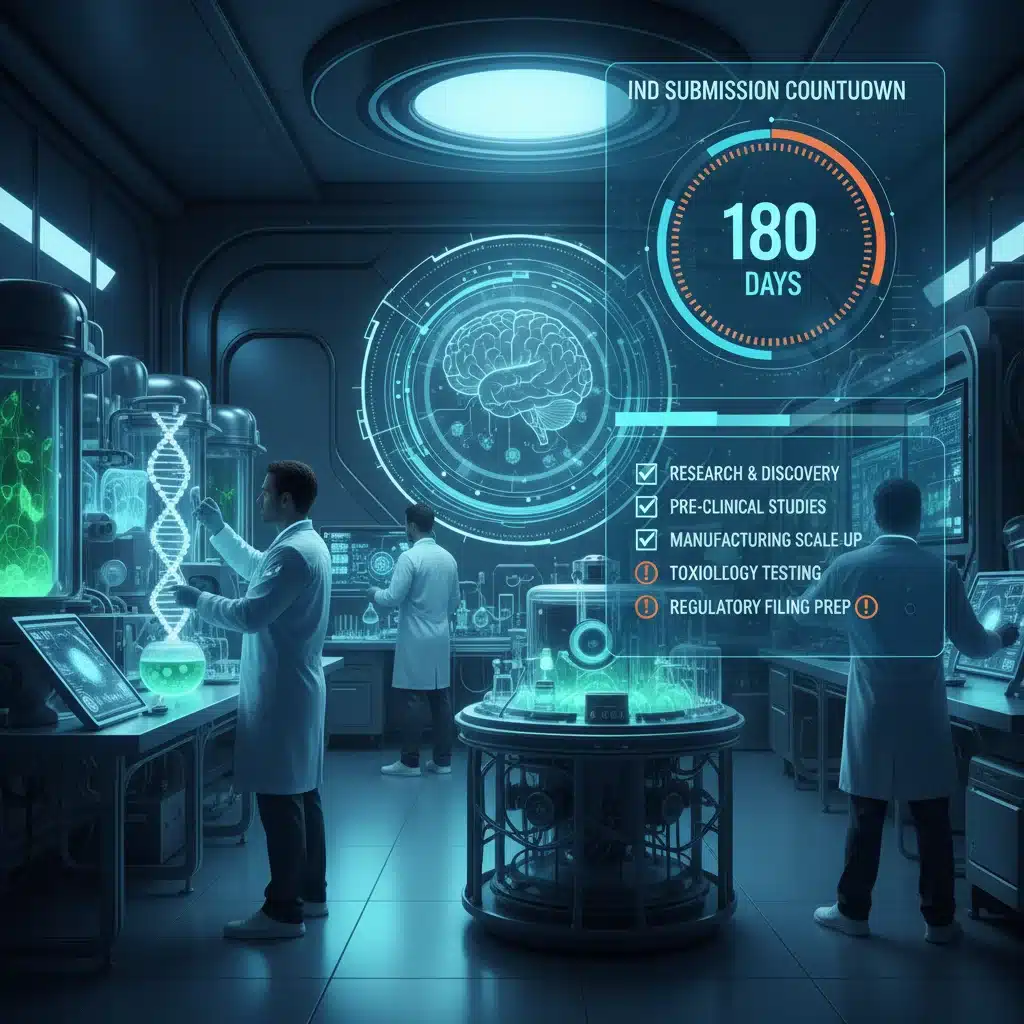
The journey from a groundbreaking scientific discovery to a life-changing therapeutic is fraught with challenges, particularly for biotech startups. The pivotal moment often arrives with the initiation of a clinical trial – a complex, highly regulated, and resource-intensive endeavor. For startups setting their sights on 2026 for their first clinical trial, the 180 days leading up to the Investigational New Drug (IND) application submission are critical. This period demands meticulous planning, strategic execution, and an unwavering commitment to regulatory compliance. This comprehensive guide provides a detailed 180-day pre-IND checklist, offering practical solutions to navigate the intricate landscape of a biotech clinical trial.
Successfully bringing a novel therapeutic to patients requires more than just scientific brilliance; it necessitates a robust understanding of regulatory requirements, an efficient operational framework, and a well-defined strategic roadmap. Many biotech startups, fueled by innovative science, often underestimate the complexity and sheer volume of work required for a successful IND submission. This article aims to demystify the process, breaking down the crucial steps into actionable 180-day segments, ensuring your first biotech clinical trial kicks off on solid ground. We will delve into critical aspects, from preclinical data generation to regulatory strategy and team building, providing a practical blueprint for success.
Understanding the IND Application: The Gateway to Your Biotech Clinical Trial
Before diving into the checklist, it’s essential to grasp the significance of the Investigational New Drug (IND) application. The IND is a formal request to the regulatory authority (e.g., FDA in the US) to allow a drug to be administered to humans. It’s not just a formality; it’s a comprehensive dossier that provides detailed information about the investigational product, including its manufacturing, quality control, nonclinical (animal) studies, and proposed clinical trial protocols. A well-prepared IND demonstrates that the drug is reasonably safe for initial human testing and that the proposed clinical investigation is scientifically sound.
The IND application is your company’s formal introduction to the regulatory body, showcasing your scientific rigor and commitment to patient safety. A poorly constructed IND can lead to delays, clinical holds, and significant financial setbacks. Therefore, every component of the IND must be meticulously prepared and presented. This includes detailed data from nonclinical pharmacology and toxicology studies, information on drug substance and drug product manufacturing and controls (CMC), and comprehensive clinical protocols for Phase 1 studies.
For a biotech startup, the IND submission is a monumental achievement, marking the transition from preclinical research to human clinical trials. It signifies a major value inflection point, often unlocking further investment and accelerating the path to market. Given its importance, the 180-day period leading up to IND submission is arguably one of the most intense and critical phases in a startup’s life cycle. Our checklist is designed to streamline this process, helping you avoid common pitfalls and optimize your resources.
The 180-Day Pre-IND Checklist: A Strategic Roadmap for Your Biotech Clinical Trial
Months 6-5 (Days 180-121): Laying the Foundation – Strategy and Team Building
Day 180: Define Your Regulatory Strategy and Target Product Profile (TPP)
- Practical Solution: Engage regulatory consultants early. They can help define the optimal regulatory pathway (e.g., Fast Track, Orphan Drug Designation) and develop a robust TPP. The TPP should clearly articulate the intended use, target patient population, desired efficacy, and safety profile of your investigational product. This document serves as a guiding star for all subsequent development activities.
- Why it’s crucial: A clear regulatory strategy dictates the design of your nonclinical studies and the content of your IND. A well-defined TPP ensures all development efforts align with market needs and regulatory expectations.
Day 170: Assemble Your Core Clinical Development Team
- Practical Solution: Identify and recruit key personnel, including a Chief Medical Officer (CMO), Head of Regulatory Affairs, and Clinical Operations Lead. Consider experienced consultants for interim roles if full-time hires are not feasible initially.
- Why it’s crucial: A strong, experienced team is indispensable. Their expertise will drive the successful execution of your pre-IND activities and the subsequent biotech clinical trial.
Day 160: Nonclinical Study Planning and Execution Review
- Practical Solution: Review all ongoing and planned nonclinical (pharmacology, toxicology, ADME) studies to ensure they meet GLP (Good Laboratory Practice) standards and are sufficient to support human dosing. Identify any gaps and initiate new studies if necessary.
- Why it’s crucial: Nonclinical data forms the bedrock of the IND application, demonstrating the safety profile of your compound. Inadequate or non-compliant studies can halt your progress.
Day 150: CMC (Chemistry, Manufacturing, and Controls) Strategy Development
- Practical Solution: Partner with experienced contract manufacturing organizations (CMOs) to develop a robust CMC strategy. This includes process development, analytical method validation, stability studies, and manufacturing of clinical trial materials (CTM) under GMP (Good Manufacturing Practice) conditions.
- Why it’s crucial: CMC data assures the regulatory agencies of the quality, purity, and consistency of your drug product. Delays in CMC can significantly impact your clinical trial timeline.
Day 140: Initial Draft of Clinical Protocols
- Practical Solution: Begin drafting the Phase 1 clinical trial protocol. This should include study objectives, primary and secondary endpoints, patient population, dose escalation scheme, and safety monitoring plan.
- Why it’s crucial: The protocol outlines how the clinical trial will be conducted and is a critical component of the IND. Early drafting allows for iterative feedback and refinement.
Day 130: Vendor Selection and Management
- Practical Solution: Identify and qualify key vendors, including CROs (Contract Research Organizations) for clinical operations, central laboratories, and specialized testing facilities. Establish clear contracts and communication channels.
- Why it’s crucial: Outsourcing is common in biotech startups. Selecting reliable and experienced vendors is paramount for efficient and compliant trial execution.
Day 121: Pre-IND Meeting Request Preparation (Optional but Recommended)
- Practical Solution: Begin preparing the briefing package for a pre-IND meeting with the FDA. This package summarizes your development plan and poses specific questions to the agency.
- Why it’s crucial: A pre-IND meeting provides invaluable feedback from the FDA, clarifying regulatory expectations and potentially identifying issues before formal submission, significantly de-risking your biotech clinical trial.
Months 4-3 (Days 120-61): Data Generation and Regulatory Document Preparation
Day 120: Nonclinical Study Report Finalization
- Practical Solution: Ensure all nonclinical study reports are finalized, reviewed for accuracy, and GLP compliant. These reports will form a significant portion of your IND submission.
- Why it’s crucial: Complete and accurate nonclinical data is essential for demonstrating the safety of your investigational product to the regulatory authorities.
Day 110: CMC Data Compilation and Review
- Practical Solution: Compile all CMC data, including manufacturing records, analytical data, stability data, and impurity profiles. Conduct a thorough internal review to ensure data integrity and compliance with GMP.
- Why it’s crucial: Robust CMC data underpins the quality and consistency of your drug product, a critical aspect for patient safety and regulatory approval.
Day 100: Pre-IND Meeting (If Applicable)
- Practical Solution: Attend the pre-IND meeting with the FDA. Document all discussions, agreements, and action items. Follow up promptly on any requests from the agency.
- Why it’s crucial: This meeting can significantly shape your IND strategy, providing direct guidance from the regulatory body.
Day 90: Refine Clinical Protocols Based on Feedback
- Practical Solution: Incorporate feedback from the pre-IND meeting (if held), internal experts, and external advisors into your clinical trial protocols. Ensure the protocol is clear, concise, and scientifically sound.
- Why it’s crucial: A well-designed protocol is fundamental for generating meaningful data and ensuring patient safety during the biotech clinical trial.
Day 80: Investigator Brochure (IB) Development
- Practical Solution: Begin drafting the Investigator Brochure (IB). The IB is a comprehensive document that summarizes all available clinical and nonclinical data on the investigational product, intended for investigators and ethics committees.
- Why it’s crucial: The IB provides essential information to investigators, enabling them to make informed decisions about patient recruitment and management.
Day 70: Chemistry, Manufacturing, and Controls (CMC) Section Drafting
- Practical Solution: Start drafting the CMC section of the IND application. This section details the manufacturing process, quality control, and stability of the drug substance and drug product.
- Why it’s crucial: A well-written CMC section demonstrates your ability to consistently produce a high-quality therapeutic.
Day 61: Nonclinical Pharmacology and Toxicology Section Drafting
- Practical Solution: Draft the nonclinical pharmacology and toxicology sections of the IND, summarizing the in vitro and in vivo studies that support the safety and potential efficacy of your compound.
- Why it’s crucial: These sections provide the scientific rationale and safety data necessary for human trials.

Months 2-1 (Days 60-31): Integration and Final Review
Day 60: Clinical Section Drafting (Clinical Protocols, IB, and Clinical Plan)
- Practical Solution: Consolidate and refine the clinical sections of the IND, including the final clinical protocol(s), Investigator Brochure, and the overall clinical development plan.
- Why it’s crucial: These sections outline the proposed human studies and their scientific justification.
Day 50: Development of Regulatory Operations Plan
- Practical Solution: Outline the submission strategy, including the format (e.g., eCTD), submission platform, and internal review processes. Ensure all necessary software and training are in place.
- Why it’s crucial: Efficient regulatory operations are key to a smooth and timely submission.
Day 40: Quality Control (QC) and Quality Assurance (QA) Review of All IND Sections
- Practical Solution: Implement a rigorous internal QC/QA process for all IND sections. This involves multiple rounds of review by independent experts to identify errors, inconsistencies, or gaps.
- Why it’s crucial: A thorough QC/QA process minimizes the risk of regulatory deficiencies and delays.
Day 35: Legal and Intellectual Property Review
- Practical Solution: Conduct a final review of all legal documents and intellectual property considerations related to the investigational product and the clinical trial. Ensure all necessary agreements (e.g., clinical trial agreements, informed consent forms) are in place.
- Why it’s crucial: Protecting your intellectual property and ensuring legal compliance are critical for the long-term success of your biotech clinical trial.
Day 31: Finalize Clinical Site Selection and Investigator Engagement
- Practical Solution: Confirm the selection of clinical sites and engage with principal investigators. Begin the process of site initiation visits (SIVs) and ensure all site-specific documents are prepared.
- Why it’s crucial: Engaged and well-prepared clinical sites are essential for successful patient recruitment and trial execution.
Month 1 (Days 30-1): The Final Push – Assembly and Submission
Day 30: IND Module Compilation and Formatting (eCTD)
- Practical Solution: Begin the final compilation of all IND modules into the required electronic Common Technical Document (eCTD) format. This is a highly specialized task often requiring dedicated software and expertise.
- Why it’s crucial: Correct eCTD formatting is essential for regulatory agencies to process and review your application efficiently.
Day 20: Comprehensive Table of Contents and Cross-Referencing
- Practical Solution: Develop a detailed table of contents and ensure all sections are properly cross-referenced within the IND. This improves navigability for reviewers.
- Why it’s crucial: A well-organized IND facilitates review and minimizes the chance of reviewers missing critical information.
Day 15: Final Internal Review and Sign-Off
- Practical Solution: Conduct a final, comprehensive internal review of the entire IND package. Obtain necessary sign-offs from key stakeholders, including the CMO, Head of Regulatory Affairs, and CEO.
- Why it’s crucial: This is the last opportunity to catch any errors or omissions before submission.
Day 10: Submission Readiness Check
- Practical Solution: Perform a final check of the eCTD package to ensure all files are correctly linked, all necessary forms are completed, and there are no technical errors.
- Why it’s crucial: Technical errors can lead to immediate rejection or delays in the review process.
Day 5: Backup and Archiving
- Practical Solution: Create secure backups of the entire IND submission package. Establish an archiving system for all regulatory documents.
- Why it’s crucial: Data integrity and accessibility are paramount, especially for future regulatory interactions.
Day 1: IND Submission
- Practical Solution: Electronically submit the IND application to the relevant regulatory agency. Confirm receipt and document the submission.
- Why it’s crucial: This is the culmination of months of hard work and the official start of the regulatory review period for your biotech clinical trial.
Post-Submission: What to Expect After Your Biotech Clinical Trial IND Filing
The submission of your IND application is a significant milestone, but it’s not the end of the journey. Regulatory agencies typically have a 30-day review period (for the FDA) during which they assess the IND for safety and scientific merit. During this time, you should be prepared for potential questions or requests for additional information from the agency. Prompt and thorough responses are crucial to avoid a clinical hold.
If the agency raises no concerns, the IND automatically becomes effective after 30 days, allowing you to proceed with your clinical trial. If concerns are raised, the agency may issue a clinical hold, preventing the initiation of the trial until the issues are resolved. Understanding this post-submission phase and having a plan for rapid response is an integral part of your overall regulatory strategy. Maintain open lines of communication with your regulatory consultants and internal team to address any queries efficiently.
Key Considerations for Sustained Success
Regulatory Intelligence and Landscape Monitoring
The regulatory landscape is constantly evolving. Staying abreast of new guidelines, regulations, and industry best practices is paramount. Subscribing to regulatory updates, attending conferences, and engaging with regulatory professionals can help your startup remain compliant and agile. This proactive approach can help you anticipate changes that might impact your biotech clinical trial strategy.
Robust Quality Management System (QMS)
Implementing a comprehensive Quality Management System (QMS) early in your startup’s lifecycle is not just a regulatory requirement; it’s a fundamental business practice. A QMS ensures that all activities, from preclinical research to clinical operations, are conducted consistently and in compliance with applicable regulations. This includes standard operating procedures (SOPs), document control, training records, and audit trails. A strong QMS minimizes risks and builds a foundation for long-term success.
Effective Risk Management
Identify potential risks associated with your drug development program and clinical trial, both scientific and operational, and develop mitigation strategies. This includes risks related to patient recruitment, data integrity, safety events, and regulatory changes. Proactive risk management can prevent costly delays and ensure patient safety throughout your biotech clinical trial.
Financial Planning and Funding
Clinical trials are incredibly expensive. Ensure your financial planning accounts for all phases of your clinical development, including potential delays or unforeseen costs. Securing adequate funding is crucial for sustaining momentum and reaching critical milestones. Investors are increasingly looking for startups with a clear regulatory pathway and a well-executed plan for their first clinical trial.

Conclusion: Your Path to a Successful Biotech Clinical Trial in 2026
Embarking on your first biotech clinical trial in 2026 is an ambitious yet achievable goal with the right preparation and strategy. The 180-day pre-IND checklist outlined here provides a robust framework for navigating the complexities of regulatory submission. From defining your regulatory strategy and assembling a highly competent team to meticulously preparing nonclinical and CMC data, every step is critical.
Remember, success in drug development is a marathon, not a sprint. It requires scientific excellence, operational efficiency, and an unwavering commitment to patient safety and regulatory compliance. By diligently following this practical guide, biotech startups can significantly enhance their chances of a smooth IND submission and a successful initiation of their first clinical trial. The journey is challenging, but the potential to bring transformative therapies to patients makes every effort worthwhile. Good luck as you prepare to make a profound impact on human health.