Biotech Debt Financing 2026: Funding Avenues for Growth-Stage Companies

The biotechnology sector, renowned for its transformative potential and significant capital requirements, is constantly evolving. For growth-stage biotech companies, securing the right funding is paramount to translating groundbreaking research into marketable therapies and solutions. While equity financing often dominates discussions, biotech debt financing is increasingly emerging as a sophisticated and strategic alternative or complement. As we look towards 2026, understanding the nuances of various debt funding avenues becomes critical for companies aiming to scale without excessive dilution.
The landscape of biotech funding is dynamic, influenced by economic cycles, investor appetite, and scientific breakthroughs. In an environment where traditional venture capital can be highly competitive and often demands significant ownership stakes, debt financing offers a compelling proposition. It allows companies to access necessary capital while retaining greater equity control, a crucial factor for founders and early investors.
This comprehensive guide delves into the three primary biotech debt financing avenues that growth-stage companies should consider in 2026: venture debt, asset-backed lending, and royalty financing. We will explore the characteristics, advantages, disadvantages, and suitability of each option, providing a robust framework for strategic financial decision-making.
Biotech Debt Financing in 2026: A Strategic Imperative for Growth
The core challenge for many biotech companies lies in the lengthy, capital-intensive development cycles of their products. From preclinical research to clinical trials and regulatory approval, the journey is fraught with financial hurdles. Equity rounds, while essential in the early stages, can lead to substantial dilution over time. This is where biotech debt financing steps in as a powerful tool, enabling companies to bridge funding gaps, extend their cash runway, and achieve key milestones without giving up additional ownership.
In 2026, the global biotech market is projected to continue its robust growth trajectory, driven by advancements in gene editing, personalized medicine, AI in drug discovery, and a burgeoning demand for novel therapeutics. This growth, however, necessitates equally sophisticated financing mechanisms. Investors in the debt space are becoming increasingly specialized, understanding the unique risks and rewards associated with life sciences. This specialization translates into more tailored and flexible debt products designed to meet the specific needs of biotech firms.
Understanding the fundamental differences between various debt instruments is crucial. Unlike traditional bank loans that often require significant collateral or a proven track record of profitability, biotech debt financing is typically structured around the inherent value of intellectual property, future revenue streams, or the strength of the scientific platform itself. This distinction is vital for growth-stage companies that may not yet generate substantial revenue but possess highly valuable assets and promising pipelines.
Furthermore, the decision to pursue debt financing should be integrated into a company’s broader financial strategy. It’s not merely about securing capital but about optimizing the capital structure to support long-term growth and maximize shareholder value. A well-executed debt strategy can provide significant non-dilutive capital, offering a lifeline between equity rounds or enabling investment in critical R&D without immediate equity sacrifices.
The subsequent sections will provide an in-depth analysis of the three leading biotech debt financing avenues, equipping you with the knowledge to make informed decisions for your growth-stage biotech company in 2026.
1. Venture Debt: A Bridge Between Equity Rounds
Venture debt has solidified its position as a cornerstone of biotech debt financing, particularly for companies that have already secured institutional equity funding. It is essentially a loan provided by specialized lenders to venture-backed companies, often alongside or shortly after an equity financing round. Its primary purpose is to extend a company’s cash runway, allowing them to hit critical milestones without the immediate need for another dilutive equity round.
Key Characteristics:
- Non-Dilutive (Mostly): While venture debt is primarily non-dilutive, it often comes with warrants or options to purchase a small percentage of equity (typically 1-5%). This provides the lender with an upside potential if the company performs well. However, the dilution is significantly less than a full equity round.
- Tranche-Based Funding: Funds are usually disbursed in tranches, contingent on the achievement of specific milestones (e.g., successful clinical trial phase, regulatory approval, revenue targets). This structure aligns the interests of the lender with the company’s progress.
- Interest Payments: Companies are required to make regular interest payments, and sometimes principal repayments, over the loan term. Interest rates can vary based on the company’s risk profile, market conditions, and the lender.
- Short-to-Medium Term: Venture debt typically has a term of 2-5 years, making it suitable for bridging specific development phases.
- Covenants: Loans often include financial and operational covenants (e.g., minimum cash balance, reporting requirements) that the company must adhere to.
Advantages for Biotech Growth-Stage Companies:
- Preserves Equity: The most significant benefit is the preservation of equity, allowing founders and existing shareholders to retain a larger ownership stake. This is crucial for maximizing returns upon a successful exit.
- Extends Runway: Venture debt provides additional capital to extend the company’s operational runway, giving them more time to achieve milestones that will increase their valuation for the next equity round.
- Less Restrictive than Equity: While there are covenants, venture debt typically involves less operational oversight from lenders compared to the active board participation often seen with equity investors.
- Faster Access to Capital: Once a company has an equity round in place, securing venture debt can often be a quicker process than raising another equity round.
- Signals Confidence: Obtaining venture debt can signal to the market and future investors that the company has been rigorously vetted by sophisticated lenders, enhancing its credibility.
Disadvantages and Considerations:
- Cost: The cost of venture debt can be higher than traditional bank loans due to the inherent risk in early-stage companies, comprising interest, fees, and warrants.
- Repayment Obligation: Unlike equity, debt must be repaid regardless of the company’s success. This creates a fixed financial obligation that can be challenging if milestones are delayed or not met.
- Covenants: Failure to meet loan covenants can trigger default clauses, potentially leading to accelerated repayment or the lender taking an equity stake.
- Not for All Stages: Venture debt is generally available to companies that have already demonstrated some traction and secured institutional equity funding, making it less suitable for very early-stage biotechs.
Suitability for Biotech in 2026:
Venture debt remains highly relevant for growth-stage biotech companies in 2026, especially those with a clear path to significant value inflection points (e.g., Phase II data, BLA submission). It is ideal for companies that have strong venture capital backing and a well-defined plan for using the additional capital to achieve specific, de-risking milestones. As the market continues to favor companies with strong data and clear commercialization strategies, venture debt provides the necessary bridge funding to reach those critical points without excessive dilution.

2. Asset-Backed Lending (ABL): Leveraging Intangible and Tangible Assets
Asset-backed lending (ABL) in the biotech sector is a form of biotech debt financing where the loan is secured by a company’s assets. While traditional ABL often relies on tangible assets like inventory and accounts receivable, in biotech, the focus frequently shifts to more specialized assets, including intellectual property, equipment, and even certain contractual rights. This approach allows companies to unlock value from their existing holdings without selling equity.
Key Characteristics:
- Collateral-Dependent: The loan amount is directly tied to the appraised value of the underlying assets. Lenders perform thorough due diligence on the quality and enforceability of these assets.
- Flexible Structure: ABL can be structured in various ways, including term loans (fixed amount over a fixed period) or revolving credit facilities (borrowing and repaying as needed up to a certain limit).
- Lower Interest Rates (Potentially): Because the loan is secured, ABL can sometimes offer more favorable interest rates compared to unsecured debt, depending on the quality of the collateral.
- Focus on IP and Equipment: For biotech, intellectual property (patents, licenses) is a prime candidate for collateral. Specialized lab equipment, manufacturing facilities, and even certain contractual rights can also serve as collateral.
Advantages for Biotech Growth-Stage Companies:
- Access to Significant Capital: Companies with valuable IP or substantial equipment investments can access significant capital without diluting equity.
- Lower Cost of Capital: The secured nature of ABL can lead to lower interest rates compared to other forms of debt, reducing the overall cost of funding.
- Leverages Existing Assets: It allows companies to monetize assets that might otherwise sit idle on the balance sheet, transforming them into working capital.
- Flexibility for Specific Needs: A revolving credit facility, for instance, can provide flexible access to capital for fluctuating operational needs or unexpected expenses.
- Less Equity Dilution: Similar to venture debt, ABL primarily avoids equity dilution, preserving ownership for founders and investors.
Disadvantages and Considerations:
- Asset Valuation Complexity: Valuing biotech-specific assets, especially intellectual property, can be complex and subjective, requiring specialized expertise from lenders and potentially third-party appraisers.
- Lien on Assets: The lender will place a lien on the pledged assets, meaning they can seize and sell these assets in the event of default. This can be a significant risk for core operational assets.
- Restrictive Covenants: ABL agreements often come with strict covenants regarding the maintenance, usage, and disposal of the collateral, which can limit operational flexibility.
- Limited Applicability for Early Stage: Very early-stage biotechs with nascent IP portfolios or minimal tangible assets may find it challenging to qualify for substantial ABL.
Suitability for Biotech in 2026:
Asset-backed lending is particularly well-suited for growth-stage biotech companies in 2026 that have developed a robust portfolio of intellectual property, possess significant specialized equipment, or have established manufacturing capabilities. Companies nearing commercialization or with approved products can also leverage their receivables or future product sales as collateral. ABL offers a powerful way to tap into the intrinsic value of a company’s assets, providing substantial capital for expansion, manufacturing scale-up, or commercial launch without ceding equity. As the biotech industry matures, the sophistication in valuing and lending against intangible assets like patents will continue to grow, making ABL an increasingly viable option.
3. Royalty Financing: Tapping into Future Revenue Streams
Royalty financing, also known as revenue-based financing or royalty monetization, is a unique form of biotech debt financing that allows companies to sell a portion of their future product revenues or intellectual property royalties in exchange for upfront capital. Unlike traditional debt, there are typically no fixed interest payments or repayment schedules; instead, the financier receives a percentage of future sales or royalties until a certain multiple of their investment is returned, or for a defined period.
Key Characteristics:
- Revenue-Based Repayment: Repayment is directly tied to the future sales performance of a specific product or portfolio of products. If sales are high, the financier gets paid faster; if sales are low, it takes longer.
- Non-Dilutive: This is a completely non-dilutive form of financing as no equity is exchanged.
- No Fixed Interest Payments: Companies avoid the burden of fixed debt service, which can be a significant advantage for biotechs with unpredictable revenue streams.
- Targeted Assets: Royalty deals are often structured around specific assets, such as a drug in late-stage development, an approved therapy, or a medical device.
- Upside Sharing (Limited): The financier typically aims for a specific multiple return on their investment (e.g., 1.5x to 2.5x), after which the royalty payments revert entirely to the company.
Advantages for Biotech Growth-Stage Companies:
- Completely Non-Dilutive: This is arguably its biggest draw, as companies can secure substantial capital without giving up any equity.
- Flexible Repayment: Repayment scales with revenue, providing a natural hedge against market fluctuations. If sales are slow, the company isn’t burdened by high fixed debt payments.
- No Covenants (Typically): Royalty deals often come with fewer restrictive covenants compared to traditional debt, offering greater operational freedom.
- Ideal for Commercial-Stage Products: It’s particularly attractive for companies with approved products or those very close to commercialization, as it monetizes predictable (or projected) future revenue.
- Focus on Specific Assets: Allows companies to finance specific projects or products without encumbering the entire company balance sheet.
Disadvantages and Considerations:
- Potentially Expensive: If a product performs exceptionally well, the cumulative royalty payments to the financier can end up being significantly higher than the cost of a traditional loan.
- Long-Term Commitment: The royalty stream can last for many years, potentially reducing the company’s net revenue from its most successful products over the long term.
- Asset Specific: Typically requires a highly validated asset with strong revenue projections, limiting its applicability for very early-stage companies.
- Complex Valuation: Valuing future royalty streams can be complex and requires sophisticated financial modeling, making due diligence a crucial step.
Suitability for Biotech in 2026:
Royalty financing is an excellent option for growth-stage biotech companies in 2026 that are approaching or have already achieved commercialization with a high-potential product. It’s particularly attractive for companies that want to avoid equity dilution at all costs and have confidence in the future sales performance of a particular asset. This includes companies with late-stage clinical assets, approved drugs, or platform technologies that generate licensing revenues. As the cost of capital and dilution remain significant concerns, royalty financing offers a smart, non-dilutive way to fund further R&D, market expansion, or strategic acquisitions by leveraging future income streams.
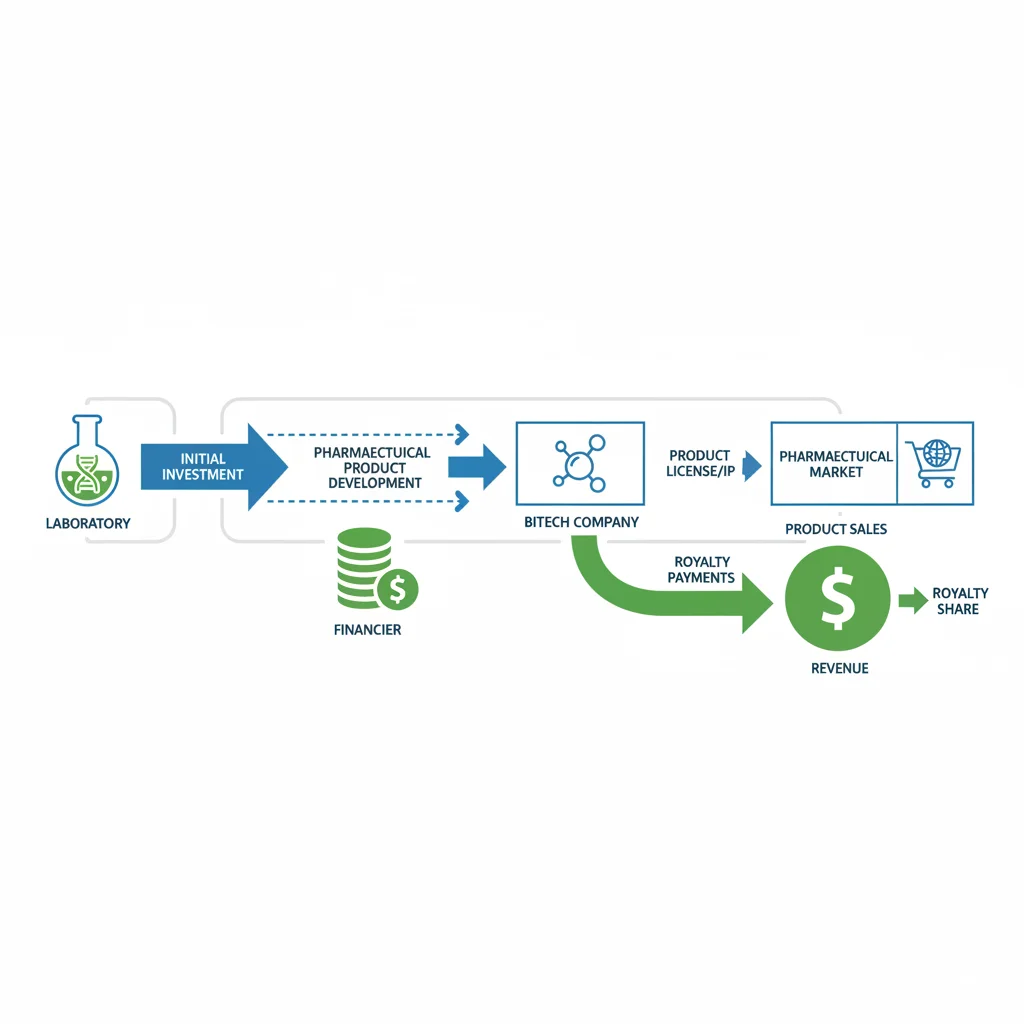
Comparative Analysis and Strategic Considerations for Biotech Debt Financing in 2026
Choosing the right biotech debt financing avenue in 2026 requires a thorough understanding of each option’s fit with your company’s stage, asset portfolio, and strategic objectives. Here’s a comparative overview and key considerations:
| Financing Avenue | Primary Collateral/Basis | Dilution | Repayment Structure | Ideal Company Stage | Key Advantage |
|---|---|---|---|---|---|
| Venture Debt | Equity backing, future equity rounds | Minimal (warrants/options) | Fixed interest & principal payments | Post-seed/Series A with VC backing | Extends runway between equity rounds |
| Asset-Backed Lending | IP (patents), equipment, receivables | None | Fixed interest & principal payments | Growth-stage with strong IP/tangible assets | Leverages existing assets for capital |
| Royalty Financing | Future product revenues/royalties | None | Percentage of future sales until cap | Late-stage clinical or commercialized products | Flexible repayment, completely non-dilutive |
Key Strategic Considerations for 2026:
- Stage of Development: Your company’s stage is the most critical determinant. Early-stage companies with promising preclinical data but no revenue may find venture debt more accessible if they have strong equity investors. Companies with late-stage clinical assets or commercialized products are better positioned for royalty financing or ABL leveraging their IP and future cash flows.
- Dilution Tolerance: If preserving equity is the paramount concern, royalty financing and asset-backed lending offer completely non-dilutive options. Venture debt provides minimal dilution compared to equity rounds.
- Predictability of Cash Flow: If your company has predictable future revenue streams (e.g., from an approved product or licensing deals), royalty financing can be very attractive due to its flexible repayment structure. For companies with less predictable revenue, fixed debt payments from venture debt or ABL might pose a higher risk.
- Asset Quality and Valuation: For ABL and royalty financing, the quality and defensibility of your intellectual property and other assets are crucial. Lenders and investors will conduct extensive due diligence to value these assets accurately.
- Cost of Capital: While equity is often seen as expensive due to dilution, debt also has a cost (interest, fees, warrants). Evaluate the total cost of capital for each option in the context of your expected returns and risk profile.
- Covenants and Control: Understand the covenants associated with each debt instrument. While debt typically offers more operational freedom than equity, some agreements can be restrictive.
- Market Conditions: The broader economic and investment climate in 2026 will influence the availability and terms of biotech debt financing. A strong market might lead to more favorable terms, while a downturn could tighten lending standards.
- Lender Specialization: Seek out lenders and investors who specialize in biotech. Their understanding of the unique risks and valuation methodologies in life sciences will be invaluable and can provide valuable insights and more flexible financing terms than generalist lenders.
In 2026, the strategic use of biotech debt financing will be a hallmark of financially savvy growth-stage companies. By carefully assessing these factors, biotech leaders can construct a capital structure that supports aggressive growth while safeguarding shareholder value.
The Evolving Landscape of Biotech Funding in 2026
The year 2026 is poised to witness continued innovation in biotech debt financing, driven by several key trends. The increasing maturity of the biotech sector means more companies are reaching stages where traditional equity is not the only viable option. Specialized debt funds are expanding their offerings, recognizing the immense potential and unique financial structures required by life sciences companies.
One notable trend is the growing sophistication in valuing intangible assets. As intellectual property becomes even more central to biotech’s value proposition, lenders are developing more advanced models to assess and collateralize patents, regulatory designations, and data exclusivity. This will further open doors for asset-backed lending that extends beyond physical equipment.
Another emerging area is the integration of Environmental, Social, and Governance (ESG) factors into financing decisions. While more prevalent in equity investing, debt providers are also beginning to consider a company’s ESG profile. Biotechs demonstrating strong ethical practices, sustainable research methods, and a commitment to social impact may find themselves more attractive to certain debt capital providers, potentially leading to more favorable terms.
The role of artificial intelligence and machine learning in drug discovery and development is also indirectly influencing financing. Companies that can demonstrate accelerated timelines, reduced costs, and higher success rates through AI integration may present a de-risked profile that appeals to debt lenders. This technological edge can improve the predictability of future milestones and revenue streams, making debt a more palatable option.
Furthermore, the global nature of biotech research and development means that cross-border biotech debt financing will likely become more common. Companies operating in multiple jurisdictions or those with international commercialization plans will need financing partners capable of navigating diverse regulatory and legal frameworks. This will necessitate a deeper understanding of international IP law and cross-border collateralization.
Finally, the interplay between public markets and private debt will remain crucial. As some biotech companies opt to stay private longer, debt financing will provide the necessary capital to sustain growth without the immediate pressures of public reporting. For those considering an IPO, a robust debt facility can ensure they reach the public market with a stronger balance sheet and less dilution, potentially leading to a more successful offering.
Crafting Your Biotech Debt Strategy for 2026
Developing a robust biotech debt financing strategy for 2026 requires meticulous planning and a clear understanding of your company’s trajectory. It’s not a one-size-fits-all solution; rather, it’s about aligning the financing mechanism with your specific needs at a given point in time. Here’s a step-by-step approach to crafting an effective debt strategy:
- Assess Your Current Stage and Future Milestones: Clearly define where your company stands in its development cycle – preclinical, clinical (Phase I, II, III), regulatory submission, or commercialization. Identify the critical milestones you aim to achieve in the next 12-36 months and the capital required for each. This will help determine the appropriate debt instrument. For instance, if you’re looking to fund a specific Phase II trial, venture debt might be suitable to extend your runway. If you have an approved product and need capital for manufacturing scale-up, ABL or royalty financing could be ideal.
- Evaluate Your Asset Portfolio: Conduct a comprehensive review of your intellectual property (patents, trade secrets), specialized equipment, data exclusivity periods, and any existing or projected revenue streams. Understand the value and defensibility of these assets. This assessment is crucial for determining your eligibility for asset-backed or royalty financing and can strengthen your position in venture debt negotiations.
- Analyze Your Equity Dilution Tolerance: Determine how much equity dilution your founders and existing investors are willing to tolerate. If minimizing dilution is a top priority, then non-dilutive options like royalty financing and ABL will be more appealing. Even venture debt, with its minimal warrant component, can be preferable over another full equity round.
- Project Cash Flow and Repayment Capacity: Develop realistic cash flow projections that account for both operational expenses and potential revenue generation. For debt, you must have a clear plan for repayment. This includes understanding the impact of interest payments (for venture debt and ABL) or the percentage of future revenues (for royalty financing) on your bottom line. Stress-test these projections against various scenarios, including delays in milestones or lower-than-expected sales.
- Research Specialized Lenders and Investors: The biotech debt financing market is populated by highly specialized lenders. Engage with firms that have a proven track record in life sciences and a deep understanding of the industry’s unique challenges and opportunities. Their expertise can provide valuable insights and more flexible financing terms than generalist lenders.
- Prepare a Comprehensive Financial Package: Just as with equity investors, debt providers will require extensive due diligence. Prepare a detailed financial model, business plan, scientific data, regulatory strategy, and intellectual property documentation. A well-organized and transparent presentation builds confidence.
- Consider Hybrid Solutions: Don’t limit yourself to a single financing type. Sometimes, a combination of debt instruments, alongside strategic equity, can create the most optimal capital structure. For example, venture debt might bridge a short-term need, while royalty financing monetizes a future product.
- Seek Expert Advice: Engage with experienced financial advisors, legal counsel, and consultants who specialize in biotech financing. They can help navigate complex term sheets, structure deals, and ensure compliance with regulatory requirements. Their expertise is invaluable in securing favorable terms and avoiding potential pitfalls.
- Understand the Exit Strategy Implications: Consider how your debt financing strategy aligns with your long-term exit goals (e.g., IPO, acquisition). A well-managed debt structure can enhance your company’s attractiveness to potential acquirers or public market investors by showcasing a disciplined approach to capital management and strong financial health.
By meticulously addressing these points, growth-stage biotech companies can strategically leverage biotech debt financing in 2026 to accelerate their development, achieve critical milestones, and ultimately bring life-changing innovations to patients, all while optimizing their capital structure and preserving valuable equity.
Conclusion: Navigating Biotech Debt Financing for Future Success
The journey of a growth-stage biotech company is often defined by its ability to secure and effectively utilize capital. As we’ve explored, biotech debt financing in 2026 offers a sophisticated and increasingly vital set of tools for companies looking to advance their pipelines and scale their operations without over-relying on dilutive equity. Venture debt provides a crucial bridge between equity rounds, asset-backed lending unlocks the value of tangible and intangible assets, and royalty financing offers a non-dilutive way to monetize future revenue streams.
Each of these avenues presents unique advantages and considerations. The optimal choice depends on a company’s specific stage of development, the nature of its assets, its cash flow predictability, and its strategic goals regarding equity preservation. A thoughtful and well-executed debt strategy can significantly extend a company’s runway, allow for greater control over its destiny, and ultimately enhance shareholder value.
As the biotech industry continues its rapid evolution, so too will the financial instruments designed to support it. Growth-stage companies that proactively understand and strategically employ these biotech debt financing avenues will be best positioned to navigate the complex financial landscape of 2026, translating scientific breakthroughs into commercial success and, most importantly, delivering innovative solutions to global health challenges. Engaging with specialized lenders and expert advisors will be key to unlocking the full potential of these powerful funding mechanisms and ensuring a sustainable path to growth.