Biotech IPOs 2026: Investor’s 3-Month Guide for Maximized Returns

Navigating Biotech IPOs in 2026: A 3-Month Investor’s Guide to Maximizing Returns Amidst Market Volatility
The biotechnology sector has consistently been a hotbed of innovation, offering groundbreaking solutions to some of humanity’s most pressing health challenges. For investors, this translates into a unique opportunity for substantial returns, particularly in the realm of Initial Public Offerings (IPOs). As we look ahead to 2026, the landscape for biotech IPOs is poised for both immense potential and inherent volatility. This comprehensive 3-month investor’s guide is meticulously crafted to equip you with the knowledge and strategies needed to navigate the exciting, yet challenging, world of Biotech IPO Investing, helping you to identify promising ventures and maximize your returns.
Investing in biotech IPOs is not for the faint of heart. It demands a keen understanding of scientific advancements, regulatory pathways, market trends, and risk management. Unlike established companies, biotech startups entering the public market often have no revenue, relying heavily on their R&D pipeline and the promise of future blockbusters. This guide will break down the complexities, offering a structured approach to due diligence, timing your investments, and understanding the unique dynamics of this specialized market segment.
Month 1: Laying the Foundation – Understanding the Biotech Landscape and Identifying Opportunities
The first month of your Biotech IPO Investing journey is crucial for building a robust understanding of the sector. This involves more than just scanning headlines; it requires a deep dive into the scientific, regulatory, and market currents that shape the biotech industry.
1.1. Grasping the Fundamentals of Biotechnology
Before you can evaluate a biotech IPO, you need a basic understanding of the science. Familiarize yourself with key areas such as gene editing (CRISPR), cell therapies, immunotherapies, RNA therapeutics, and precision medicine. Understand the difference between small molecules and biologics, and the implications of each for drug development and manufacturing. Resources like scientific journals, reputable biotech news outlets, and educational platforms can provide a solid foundation. You don’t need to be a molecular biologist, but a conceptual grasp of the underlying science will empower you to assess the potential of a company’s pipeline.
1.2. Analyzing Market Trends and Sub-Sectors
The biotech sector is not monolithic. It comprises various sub-sectors, each with its own growth drivers and challenges. Are you interested in oncology, neurology, rare diseases, infectious diseases, or diagnostics? Research which sub-sectors are experiencing significant innovation, unmet medical needs, and favorable regulatory environments. For example, advancements in AI and machine learning are revolutionizing drug discovery, making companies leveraging these technologies particularly attractive. Keep an eye on global health trends and demographic shifts, as these often dictate future areas of growth and investment in biotech.
1.3. Identifying Potential IPO Candidates for 2026
This is where your proactive research begins. Keep a close watch on companies that are privately funded and nearing the late stages of clinical development. Venture capital firms often provide early signals of companies preparing for an IPO. Look for:
- Strong Scientific Backing: Companies with robust scientific founders, experienced R&D teams, and collaborations with leading academic institutions.
- Promising Clinical Data: Early-stage clinical trial results, especially from Phase 1 and Phase 2, that demonstrate safety and efficacy. While Phase 3 data is ideal, it’s rare for an IPO.
- Differentiated Technology/Product: What makes their approach unique? Is it a novel mechanism of action, a new drug delivery system, or targeting an unaddressed medical need?
- Significant Market Opportunity: Is the target market large? What is the competitive landscape like? Is there a clear path to market?
- Experienced Management Team: A strong leadership team with a proven track record in drug development and commercialization is critical.
- Adequate Funding: Companies that have secured substantial private funding often indicate investor confidence and a longer runway for development.
Utilize financial news outlets, IPO calendars, and specialized biotech investment platforms to track potential offerings. Create a watchlist of companies that meet your initial criteria for Biotech IPO Investing.
1.4. Understanding the Regulatory Landscape
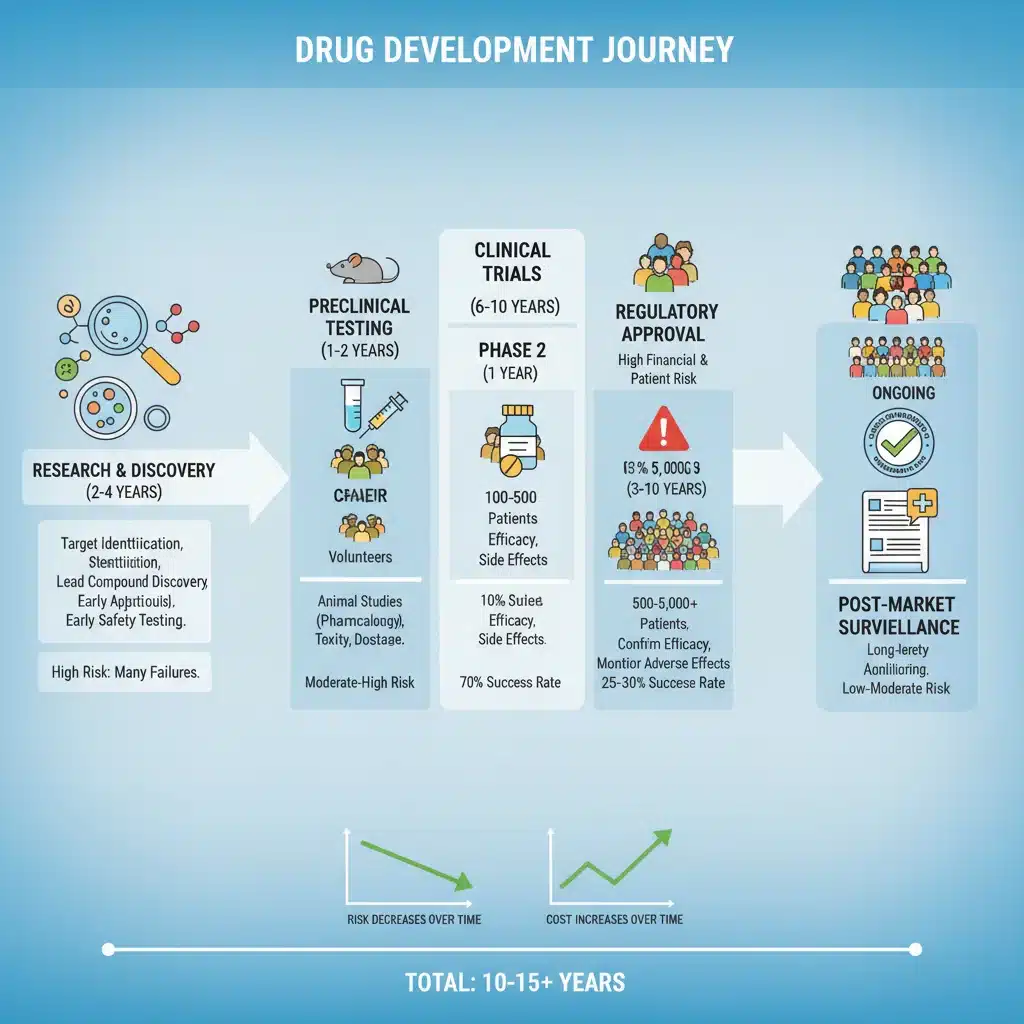
The regulatory environment, primarily the FDA in the US and the EMA in Europe, plays a pivotal role in the success of biotech companies. Familiarize yourself with the drug approval process, including Fast Track, Breakthrough Therapy, Accelerated Approval, and Priority Review designations. These designations can significantly shorten development timelines and indicate a drug’s potential. Regulatory hurdles can make or break a biotech company, so understanding their impact is paramount for informed Biotech IPO Investing decisions.
Month 2: Deep Dive Due Diligence – Evaluating IPO Prospects and Assessing Risks
With a foundation in place, Month 2 is dedicated to rigorous due diligence on your shortlisted biotech IPO candidates. This is where you move beyond surface-level information and delve into the specifics that will inform your investment decisions.
2.1. Scrutinizing the S-1/F-1 Filing
The S-1 (for U.S. companies) or F-1 (for foreign companies) filing with the SEC is your bible. This document provides an exhaustive overview of the company, including its business plan, financial statements, management team, intellectual property, clinical trial data, and, crucially, a detailed list of risks. Pay close attention to:
- Pipeline Strength: How many drugs are in development? What stages are they in? What are the indications? Diversified pipelines can mitigate risk.
- Clinical Data: Analyze the efficacy and safety data from clinical trials. Look for statistical significance, patient populations, and potential side effects. Be wary of companies that present data selectively or without sufficient context.
- Intellectual Property (IP): Strong patents are the lifeblood of biotech. Understand the breadth and duration of their patent protection. Are there any ongoing IP disputes?
- Financials: While many biotech IPOs are pre-revenue, assess their burn rate, cash on hand, and projected runway. How long can they operate before needing more funding?
- Management and Board: Research the experience and track record of the leadership team and board members. Have they successfully brought drugs to market before?
- Risk Factors: The S-1 will detail numerous risks, from clinical trial failures to regulatory setbacks and competition. Don’t gloss over these; understand their potential impact.
2.2. Assessing Valuation and Pricing
Valuing a pre-revenue biotech company is inherently challenging. Traditional metrics like P/E ratios are irrelevant. Instead, analysts often use:
- Discounted Cash Flow (DCF): Projecting future revenues from potential drug sales and discounting them back to the present. This requires significant assumptions about market share, pricing, and approval probabilities.
- Precedent Transactions: Looking at recent acquisitions of similar companies or IPOs of comparable biotechs.
- Sum-of-the-parts Valuation: Valuing each drug in the pipeline individually based on its stage of development and market potential.
- Investor Demand: The buzz around an IPO can significantly influence its pricing. While exciting, don’t let hype overshadow fundamental analysis.
Compare the proposed IPO price range to your own valuation estimates. Is it priced fairly, or is there significant upside potential? Overpriced IPOs can lead to immediate losses, so careful consideration of valuation is a critical component of successful Biotech IPO Investing.
2.3. Understanding Lock-up Periods and Insider Selling
Be aware of lock-up periods, which restrict insiders (founders, early investors) from selling their shares for a certain period (typically 90 to 180 days) post-IPO. The expiry of lock-up periods can sometimes lead to a significant increase in share supply and downward pressure on the stock price. Monitor insider selling activity post-lock-up expiry, as it can signal a lack of confidence from those most familiar with the company.
2.4. Analyzing Underwriter Reputation and Analyst Coverage
The investment banks underwriting the IPO often have significant influence. Reputable underwriters typically bring higher-quality companies to market. Post-IPO, analyst coverage from these banks can also influence stock performance. However, always conduct your own independent research and don’t rely solely on analyst ratings, as they can sometimes be biased.
Month 3: Strategic Execution – Timing, Allocation, and Risk Management in Biotech IPO Investing
The final month focuses on executing your investment strategy, managing your portfolio, and preparing for the inherent volatility of Biotech IPO Investing.
3.1. Timing Your Entry
Deciding when to buy a biotech IPO is a nuanced decision. Some investors prefer to get in on the ground floor, hoping for significant first-day pops. Others prefer to wait a few days or weeks for the initial volatility to settle down, allowing for a more stable entry point. Consider:
- Market Conditions: A strong bull market generally favors IPOs. However, even in a volatile market, high-quality biotech companies can perform well.
- Order Book Strength: If the IPO is heavily oversubscribed, it indicates strong investor demand and could lead to a significant pop.
- Post-IPO Performance of Similar Companies: Look at how recent biotech IPOs have performed.
Remember that IPOs are inherently volatile. Be prepared for significant price swings in the initial days and weeks. A long-term perspective is often beneficial in Biotech IPO Investing.
3.2. Portfolio Allocation and Diversification
Biotech IPOs are high-risk, high-reward investments. As such, they should only constitute a small portion of your overall investment portfolio – typically no more than 5-10%. Diversification within your biotech holdings is also crucial. Instead of putting all your eggs in one basket, consider investing in multiple biotech IPOs across different sub-sectors and stages of development to spread your risk. A balanced approach to Biotech IPO Investing will help mitigate the impact of any single company’s failure.
3.3. Implementing Risk Management Strategies
Given the inherent risks, robust risk management is paramount:
- Stop-Loss Orders: Consider setting stop-loss orders to limit potential downsides if the stock price falls below a certain threshold.
- Position Sizing: Invest only what you can afford to lose. Biotech IPOs can go to zero.
- Stay Informed: Continuously monitor company news, clinical trial updates, regulatory announcements, and competitor activity.
- Be Patient: Drug development is a long process. Significant returns in biotech often require patience and a long-term investment horizon.
- Re-evaluate Periodically: Reassess your investment thesis regularly. Has anything fundamentally changed about the company or its prospects?

3.4. Understanding Catalysts and Milestones
Biotech stock prices are heavily influenced by clinical and regulatory milestones. These can include:
- Clinical Trial Readouts: Announcement of data from Phase 1, 2, or 3 trials. Positive results can send a stock soaring; negative results can cause a crash.
- Regulatory Approvals: FDA or EMA approval for a drug is a major catalyst.
- Partnerships and Collaborations: Deals with larger pharmaceutical companies can provide funding, validation, and access to commercialization infrastructure.
- Conference Presentations: Companies often present new data at major scientific conferences, which can generate investor interest.
Keep a calendar of anticipated catalysts for your portfolio companies. These events can create significant volatility but also opportunities for profit taking or adding to positions. Strategic monitoring of these events is key to successful Biotech IPO Investing.
Post-IPO Management: The Long Game in Biotech Investing
Your 3-month guide provides a launchpad, but Biotech IPO Investing is often a long-term endeavor. After the initial period, continuous monitoring and adaptation are essential. The biotech sector is dynamic, with scientific breakthroughs, regulatory changes, and competitive pressures constantly evolving. Stay engaged with financial news, scientific publications, and company reports. Participate in investor calls and webinars to gain deeper insights. Be prepared to adjust your positions based on new information, whether it’s taking profits after a significant run-up or cutting losses if the investment thesis deteriorates.
The Role of Innovation in Long-Term Success
At its core, biotech investing is about backing innovation. Companies that consistently push the boundaries of science and address critical unmet medical needs are those most likely to deliver long-term value. Look beyond the initial hype and focus on the underlying science, the strength of the intellectual property, and the potential impact of their therapies. The companies that successfully navigate the rigorous development and regulatory pathways, and ultimately bring transformative medicines to patients, are the ones that will reward patient and discerning investors.
Ethical Considerations and Societal Impact
Beyond financial returns, Biotech IPO Investing also offers the opportunity to contribute to advancements that can profoundly improve human health. As an investor, consider the ethical implications of the technologies and therapies being developed. Supporting companies with strong ethical frameworks and a genuine commitment to patient well-being can align your financial goals with broader societal benefits. This dual perspective can add another layer of satisfaction to your investment journey.
Conclusion: Mastering Biotech IPO Investing in 2026
Biotech IPO Investing in 2026 presents a thrilling prospect for investors willing to do their homework. By following this 3-month guide, you can systematically approach the market, moving from foundational understanding to rigorous due diligence and finally to strategic execution and risk management. The journey is not without its challenges – market volatility, scientific uncertainty, and regulatory hurdles are ever-present. However, with a disciplined approach, a commitment to continuous learning, and a focus on high-quality companies with strong scientific foundations and compelling pipelines, you can significantly increase your chances of maximizing returns and participating in the next wave of biomedical innovation. Remember, patience, research, and diversification are your best allies in this exciting and potentially lucrative investment arena.